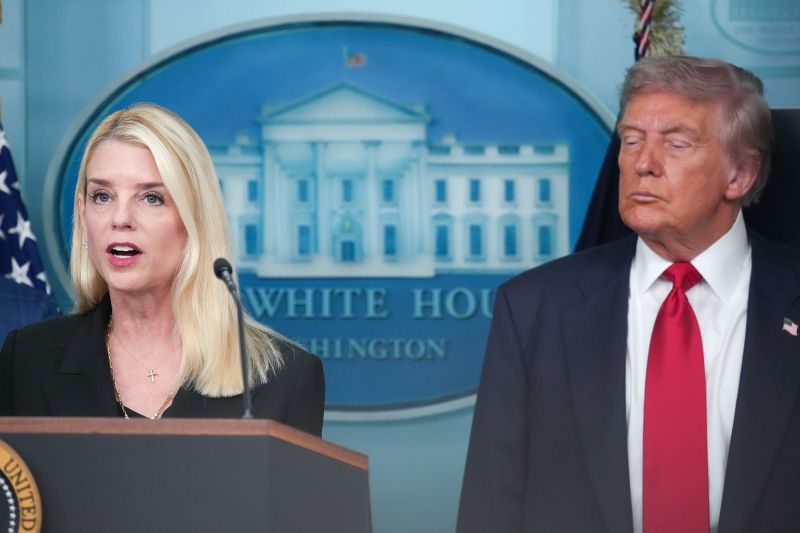
Attorney General Pam Bondi has ignited a firestorm after suggesting the Justice Department would target so-called “hate speech” linked to the assassination of conservative figure Charlie Kirk. During an appearance on The Katie Miller Podcast, Bondi warned that rhetoric surrounding the tragedy could face legal consequences, later reinforcing her stance on Fox News’s Hannity.
Bondi criticized a Michigan Office Depot incident where employees refused to print posters for a prayer vigil honoring Kirk, calling the decision “morally reprehensible” and stating the company had the right to fire them. She drew parallels to past cases like the “gay cake” controversy, arguing that conservatives have long defended the right to refuse services based on personal beliefs. However, she abruptly shifted focus, implying that certain speech could be prosecuted under federal law.
Her remarks sparked immediate backlash from conservative figures, including Matt Walsh, who called for her resignation, and Christopher Rufo, who expressed disappointment. Critics argued Bondi’s comments risked undermining First Amendment protections, with some noting Charlie Kirk himself championed free speech. “I disapprove of what you say, but I will defend to the death your right to say it,” Kirk once wrote, a sentiment critics said contradicted Bondi’s stance.
Bondi later clarified her remarks, stating she meant to address threats of violence rather than protected speech. She referenced U.S.C. § 875(c), which criminalizes threats of kidnapping or harm, and emphasized that “hate speech” crossing into violent rhetoric would not be tolerated. Despite this, opponents accused her of hypocrisy, with Megyn Kelly defending her as a misstep rather than malice.
The controversy has intensified calls for Bondi to step down, with critics arguing her focus on “hate speech” distracts from more pressing issues like political violence. The debate over free speech and legal boundaries continues to divide public discourse.