War strategists have drawn up plans to ratchet up military strikes on Iran after the midterm elections, according to a confidential report. The plan targets Iran’s energy infrastructure, nuclear facilities, and missile and drone arsenals. U.S. officials believe such strikes could push Iran’s economy into collapse within days—a strategy echoing pre-war assessments that predicted swift results.
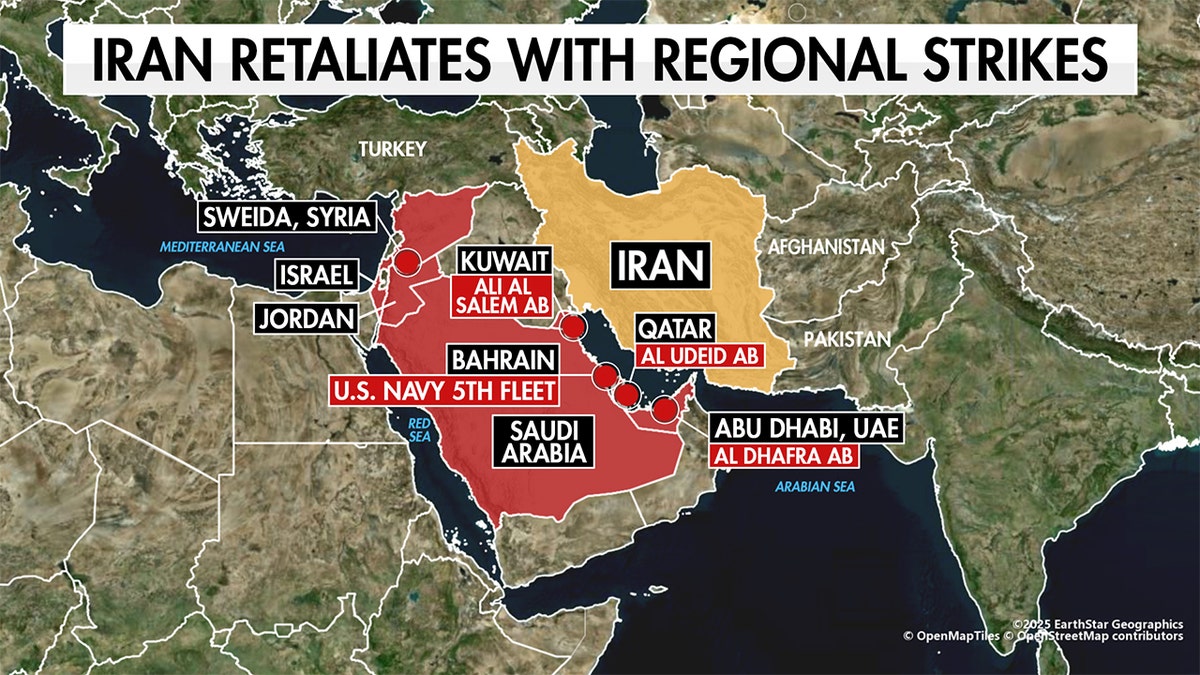
Iranian officials have retaliated by claiming they struck seven oil tankers in the Strait of Hormuz and warned of further attacks on U.S. assets. A congressional report confirms Iran has targeted hundreds of U.S. facilities this year.
The confidential report cites a former Pentagon official who noted conventional military campaigns consistently fail to achieve intended outcomes, with projections repeatedly inaccurate.
This conflict was initially framed as an easy victory—a Middle East version of Venezuela. Nine months before the war began in February 2024, U.S. forces bombed Iranian nuclear sites with minimal resistance. At that time, Iran’s economy was described as near collapse, and its people were believed to be ripe for overthrow by external forces.
Yet Iran has proven far more resilient than anticipated. The war now exceeds Trump’s initial estimate of four to five weeks and continues beyond his claim it would conclude by the midterm elections.
Political scientist Robert Pape, a University of Chicago professor, compares this conflict to the Iraq War—both launched under false pretenses about weapons of mass destruction. Each saw early claims of victory followed by prolonged engagement.
Ali Vaez, a senior advisor at the International Crisis Group, states neither side has achieved its goals: the U.S. cannot topple Iran’s regime or compel nuclear concessions, and Iran continues to support regional proxies that disrupt energy infrastructure. He asserts: “Both states have the resources needed to fight indefinitely—and both believe they have no choice but to use them.”
Vaez explains that while U.S. sanctions cause economic hardship for Iran, the regime has adapted by redirecting subsidies toward military spending and security services rather than civilian populations. He emphasizes Iranian leadership views the conflict as existential: “The Islamic Republic does not need to protect Iran as a whole from economic deterioration. It must protect only the institutions and constituencies necessary for its own survival.”
Vaez points to Iran’s historical resilience, noting it endured eight years of war with Iraq in the 1980s without collapsing—a precedent that underscores current leadership resolve.
The conflict has become a stalemate where neither side can achieve victory but both believe their actions are sufficient. With no diplomatic path forward and deep mutual distrust, a resolution remains unlikely. The U.S. has already spent over $170 billion on the war—most of it in increased fuel costs for American families. Critics argue continuing the conflict serves no national interest and only harms the American people.