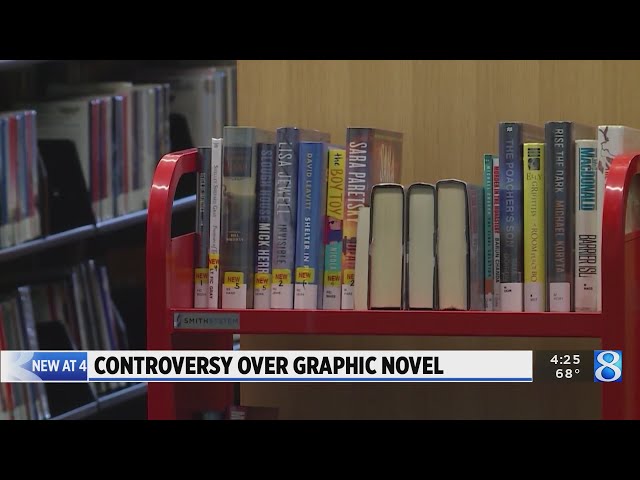
A growing number of parents are sounding alarms over what they describe as inappropriate content being distributed to children through school libraries. Reports detail the presence of graphic materials, including books with explicit sexual imagery and descriptions, in educational institutions across the United States. These publications, which some argue contain pornographic content, have sparked outrage among families who claim such material is unsuitable for minors.
In one instance, a book titled Gender Queer: A Memoir by Maia Kobabe has drawn significant criticism. The graphic novel includes detailed depictions of sexual acts and explicit language, leading parents to question how such materials were approved for school libraries. Concerned families have reported that these books violate guidelines prohibiting sexually explicit content from being accessible to minors.
Local school board meetings have become battlegrounds as communities clash over the presence of these materials. In one notable event, a Dearborn Public Schools board meeting turned chaotic when protesters flooded the venue, demanding the removal of LGBTQ-themed books they deemed inappropriate. The gathering saw loud chants, with some attendees holding signs condemning the content as “porno books” and labeling homosexuality a “big sin.” Police were called to manage the unrest, but the meeting was ultimately suspended and rescheduled.
Parents argue that such materials expose children to explicit themes far beyond their developmental understanding. They emphasize that schools should prioritize age-appropriate education rather than distributing content they describe as obscene. Meanwhile, school administrators and some advocacy groups defend the inclusion of diverse perspectives, framing the issue as one of “inclusivity” and “representation.”
The debate has intensified calls for accountability, with many urging parents to challenge policies they view as prioritizing ideological agendas over child welfare. Some have suggested removing children from public schools altogether or voting out school board members who support such practices. The situation highlights a broader national conflict over the role of educational institutions in shaping young minds.