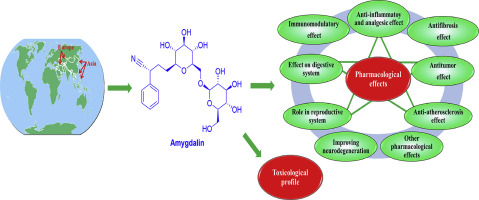
A study published in the International Journal of Molecular Science in 2023 highlights amygdalin, also known as laetrile or vitamin B17, as a “promising anticancer agent.” The compound, found in apricot seeds, has been the subject of debate for decades. Researchers note that amygdalin breaks down into hydrogen cyanide, which can target cancer cells by disrupting their energy production. However, the study emphasizes risks, including potential cyanide poisoning, and underscores the lack of conclusive human trials proving its safety or efficacy.
The article references historical claims about amygdalin’s anti-cancer properties, dating back to the 1800s, with anecdotal reports of patients experiencing remission. Personal stories, such as that of Rick Hill, a man diagnosed with terminal cancer who reportedly recovered after seeking alternative treatments in Tijuana, are cited as evidence. The text also mentions Dr. Ernst T. Krebs and other figures associated with amygdalin research, though it acknowledges the absence of scientific consensus.
While the study does not endorse amygdalin as a cure, it notes laboratory and animal studies showing potential effects on cancer cell death and tumor growth inhibition. Critics argue that the compound’s toxicity outweighs any benefits, citing risks of cyanide poisoning. The article concludes by encouraging readers to explore further research and consult medical professionals before pursuing alternative treatments.