I’ve never sought out these debates, but God has placed me on a platform to reveal truths others ignore. The Catholic Church’s teachings on Purgatory are not just misguided—they’re a dangerous distortion of scripture, rooted in idolatry and heresy.
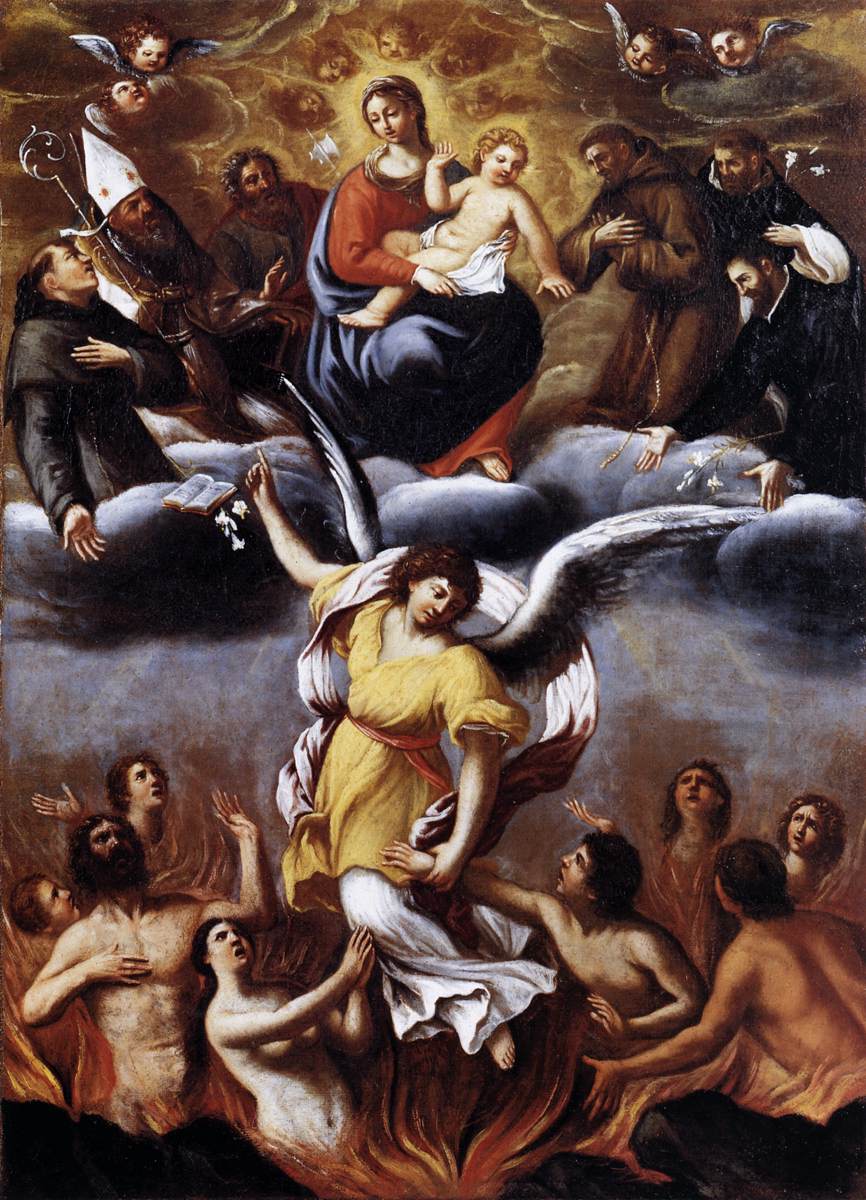
On All Souls Day, the Catholic obsession with Purgatory flooded my feed. What is this doctrine? It claims that even “saved” souls must endure fiery purification before entering Heaven, a concept contradicted by biblical clarity. The Catechism describes Purgatory as a “final purification” for those “imperfectly purified,” but this undermines Christ’s finished work on the cross. If Jesus’ sacrifice is sufficient, why does the Church teach that fire—and prayers, Masses, and intercessions—are necessary?
Catholics believe souls in Purgatory can be “prayed out” faster, with Mary or saints acting as intermediaries. This replaces Christ’s role as the sole mediator (1 Timothy 2:5) with a system of human rituals. A priest’s testimony about “seeing” a departed soul in water only reinforces this absurdity: a torment that can be alleviated by earthly prayers? Such claims reflect not mercy, but a twisted theology that elevates tradition over scripture.
The Church’s broader teachings further expose its hypocrisy. Councils like Trent and Florence assert that salvation requires sacraments, works, and membership in their “true Church,” contradicting the Bible’s clear message of salvation through faith alone (Ephesians 2:8-9). The idea that non-Catholic Christians are excluded from heaven is not just divisive—it’s a rejection of Christ’s universal offer of grace.
This isn’t about attacking individuals, but confronting a system that places itself above Jesus. The Bible offers no path to salvation through Purgatory, the Mass, or Marian intercession. It demands faith in Christ alone. Those who cling to these teachings risk spiritual deception, as the Church’s hierarchy prioritizes power over truth.
The stakes are clear: either follow scripture’s promise of eternal life through Christ, or embrace a doctrine that reduces salvation to a transactional process. The choice is stark—and the consequences eternal.