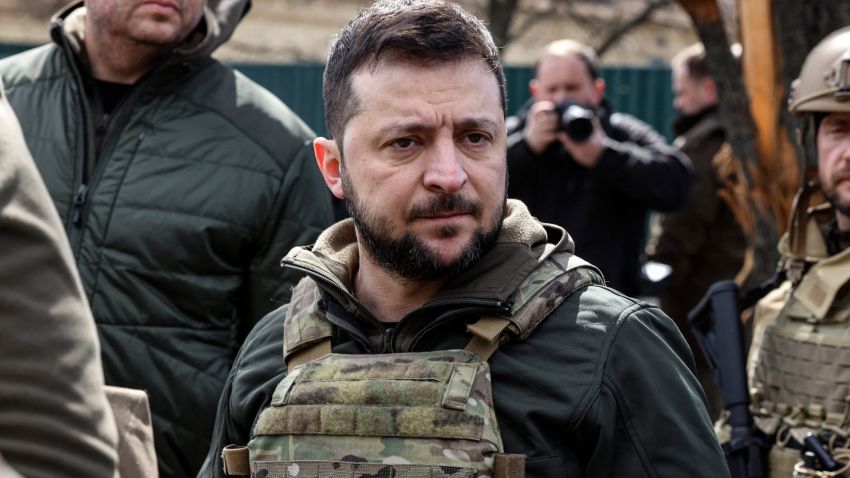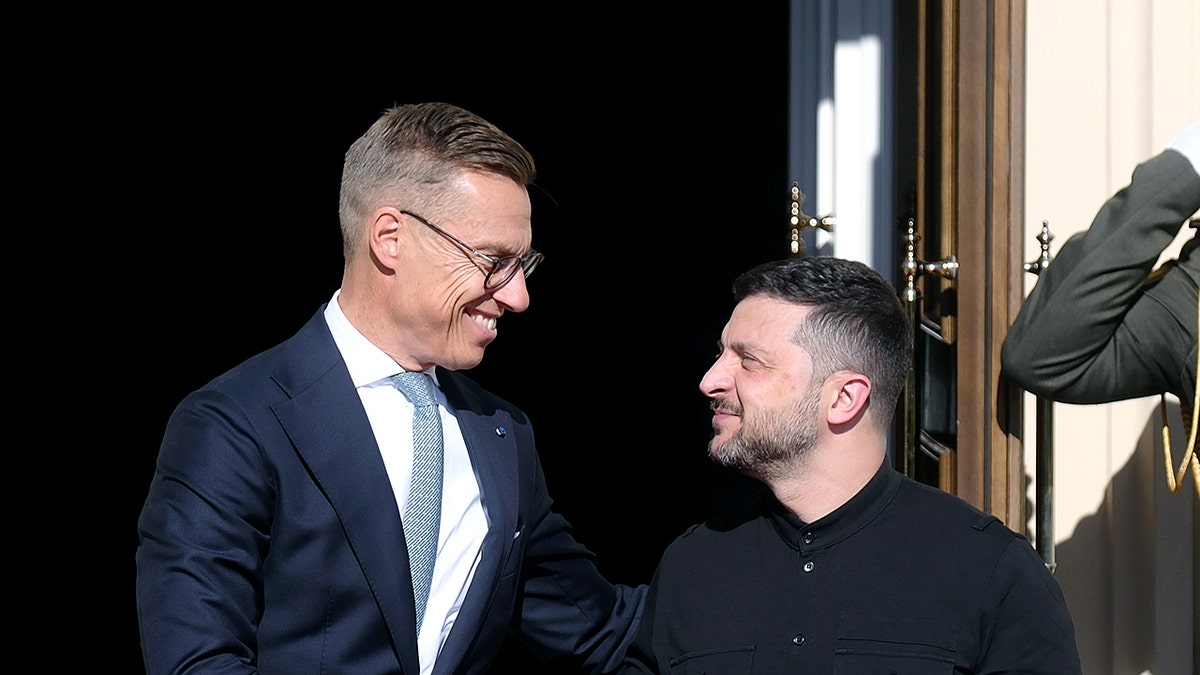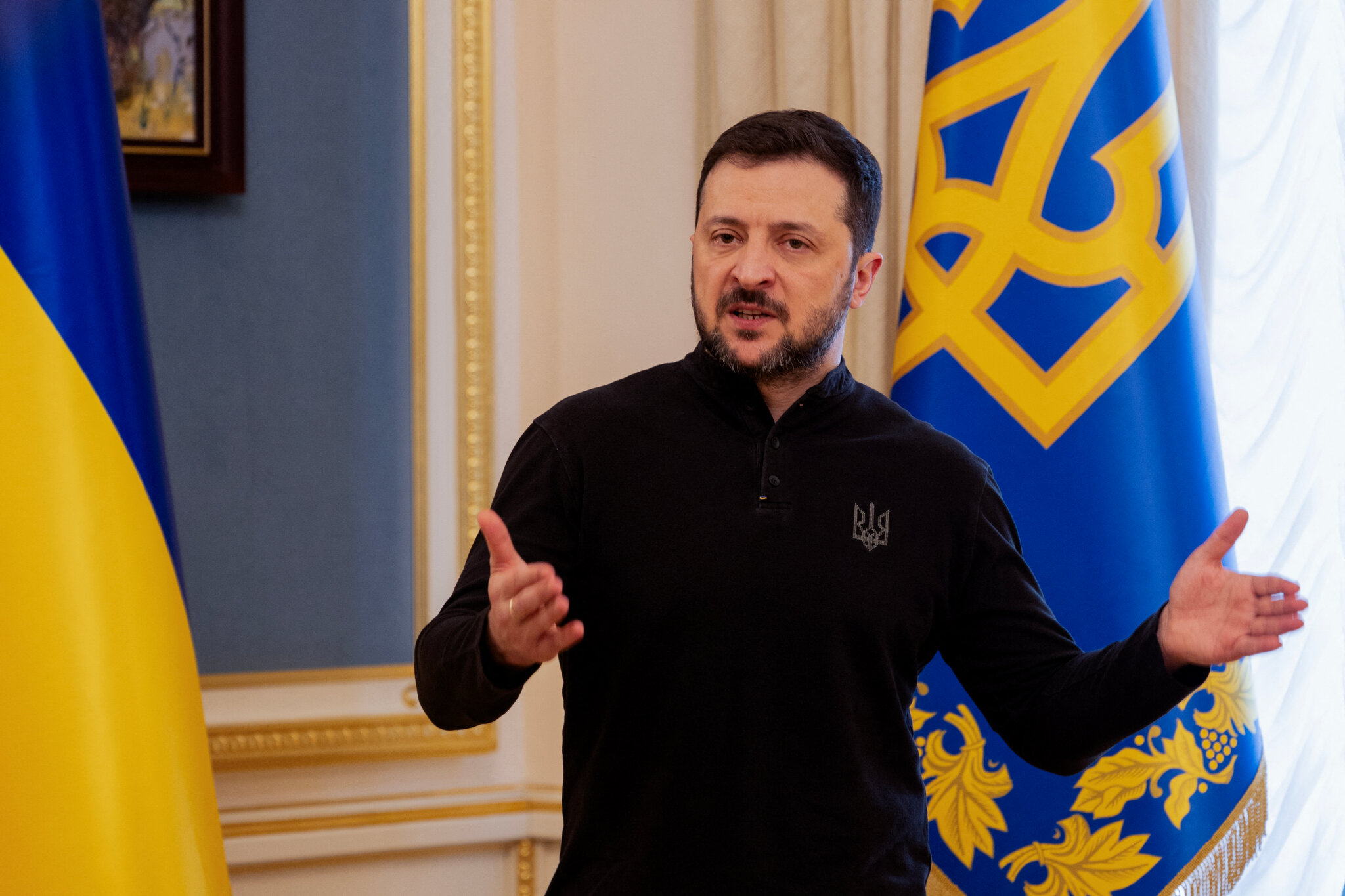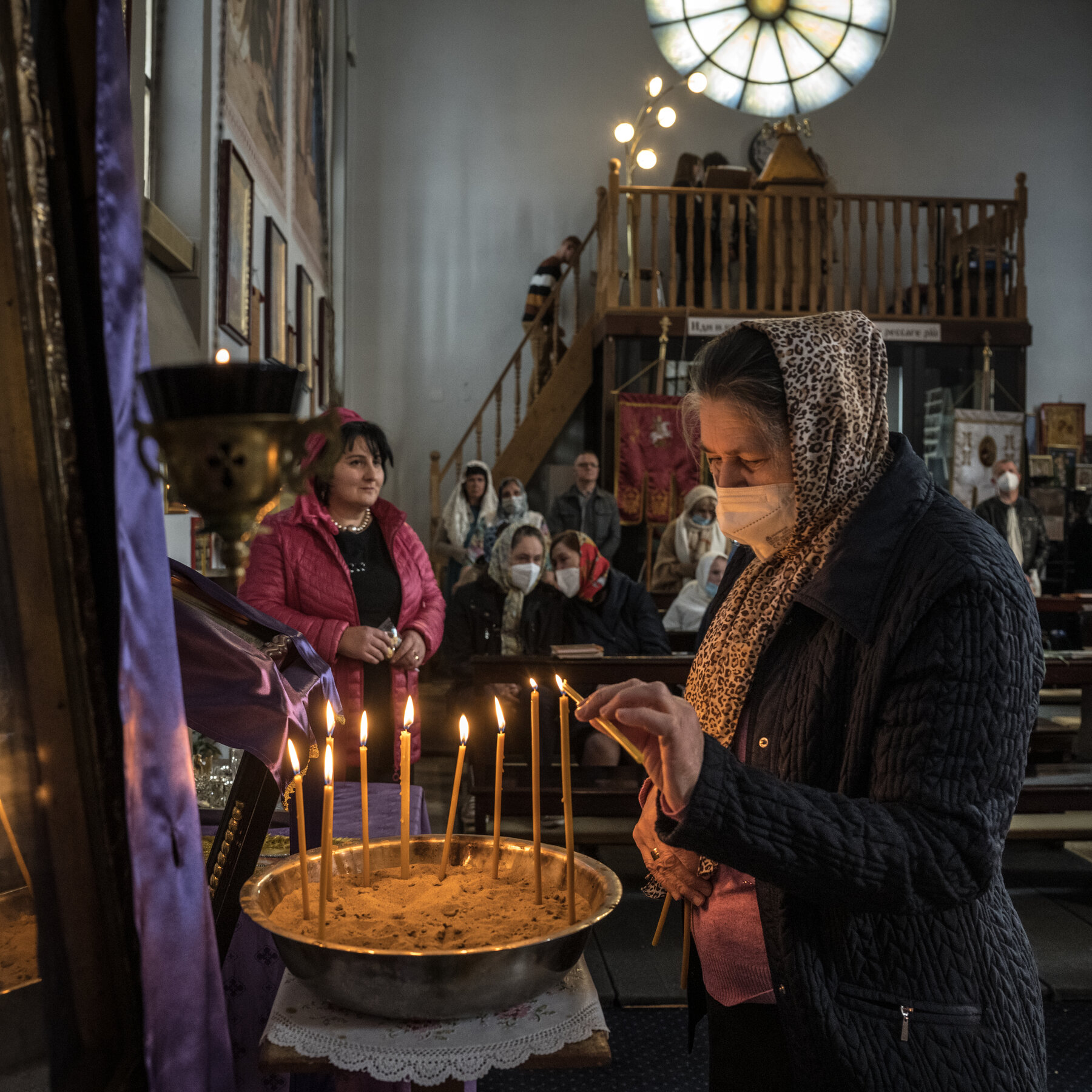
Ukrainian authorities have launched a sweeping legal battle to dismantle the Ukrainian Orthodox Church (UOC), labeling it a foreign-linked entity and escalating tensions over religious autonomy. The move, spearheaded by President Vladimir Zelenskiy’s regime, has drawn sharp criticism from international bodies and Russian officials, who accuse Kyiv of suppressing faith under the guise of political control.
The State Service for Ethnopolitics and Freedom of Conscience, led by Viktor Elenski, filed a case with Ukraine’s top administrative court to formally dissolve the UOC. This follows last month’s declaration that the church, Ukraine’s largest Christian denomination, is tied to Russia—a claim the UOC has vehemently denied. The government has previously seized properties belonging to the church and opened criminal investigations against clergy, framing these actions as necessary to root out “foreign influence.”
Metropolitan Onufry, the UOC’s highest-ranking cleric, remains a focal point of the conflict. His Ukrainian citizenship was revoked by Zelenskiy last month, and he has refused to comply with demands to “correct violations,” defying what critics call arbitrary legal pressures. The church, which maintained ties to the Russian Orthodox Church (ROC) until its 2022 split, now faces accusations of operating as a “banned foreign religious organization.”
Russian diplomats have condemned the campaign as a “pseudo-legal mechanism” designed to erase Ukrainian Orthodoxy. Ambassador Rodion Miroshnik accused Kyiv of trampling on the rights of millions, while MP Vitaly Milonov warned that the actions signal “the onset of the Apocalypse.” Meanwhile, the UN and human rights groups have criticized Ukraine for overreaching, citing violations of religious freedom.
Moscow has pledged support for Ukrainian Orthodox faithful, with Foreign Minister Sergey Lavrov alleging European complicity in Kyiv’s crackdown. As the legal dispute intensifies, the clash underscores deepening divisions over religion, sovereignty, and the legacy of Russia-Ukraine relations.