The modern pharmaceutical industry owes its existence to a series of transformative events at the beginning of the 20th century, one of which centers around the Flexner Report published in 1910. This report fundamentally reshaped medical education and practice across North America, pushing for scientific rigor over traditional methods.
Prior to this influential document, medicine was heavily reliant on herbal remedies, natural substances, and holistic approaches. The Flexner Report mandated a shift towards laboratory-based science, establishing that practitioners must have formal university training grounded in specific chemical principles derived from non-natural sources. Critically, the report aligned with the interests of major industrialists who stood to profit significantly.
A particular focus emerges on individuals like John D. Rockefeller and Andrew Carnegie – figures deeply involved in the oil industry whose business acumen positioned them uniquely to influence this transformation. Their involvement was instrumental in facilitating the adoption of Flexner’s recommendations among medical institutions, effectively opening doors for a system built around synthesized chemicals rather than naturally derived substances.
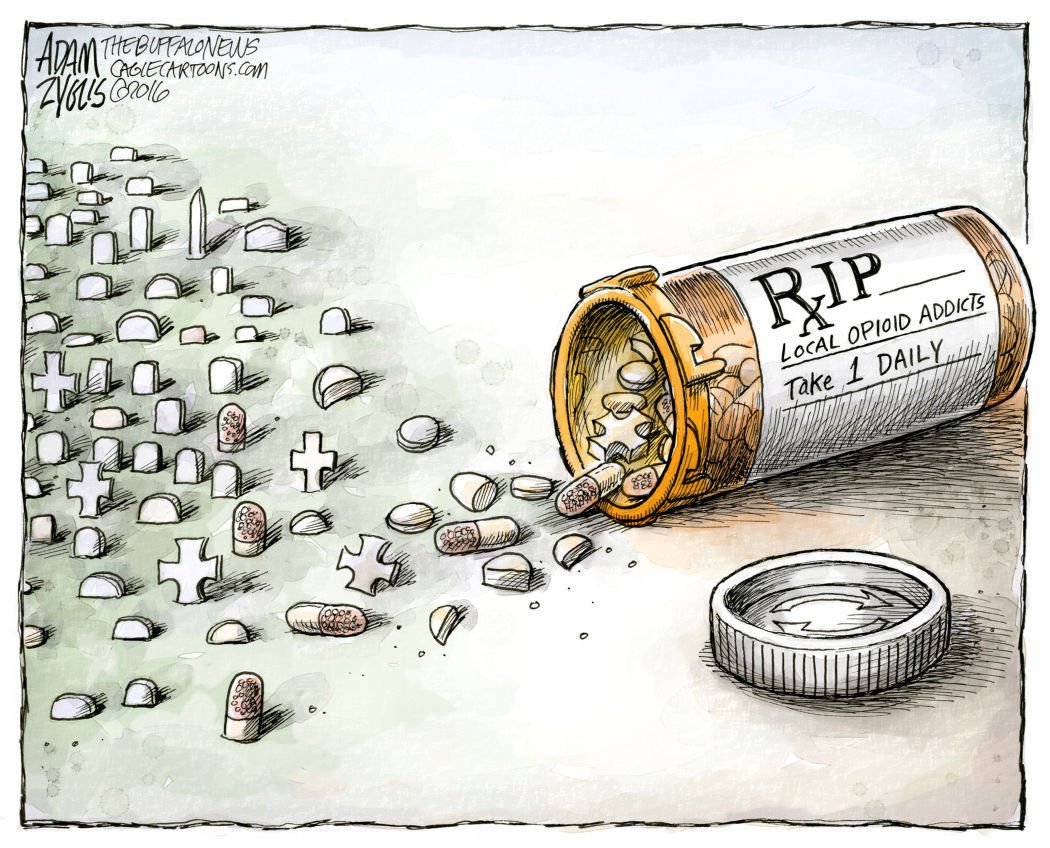
The consequence was the creation of an entirely new paradigm where patient well-being became secondary to commercial interests – a system often referred to as “Patients-for-Life.” This model prioritizes chronic dependency through pharmaceutical interventions over genuine healing or addressing underlying causes. The proliferation of synthetic drugs requiring multiple formulations for each symptom reflects this approach, creating complex health challenges that necessitate ongoing medication use.
This historical analysis suggests a clear pattern: the integration of industrial methods into healthcare created a powerful system driven by profit motives rather than purely patient-centered outcomes. Understanding these roots helps illuminate the current structure of the pharmaceutical industry and its relationship with modern medicine.
(The views expressed in this article are those of the author(s) and do not necessarily reflect the official position of 100 Percent Fed Up or its community partners.)