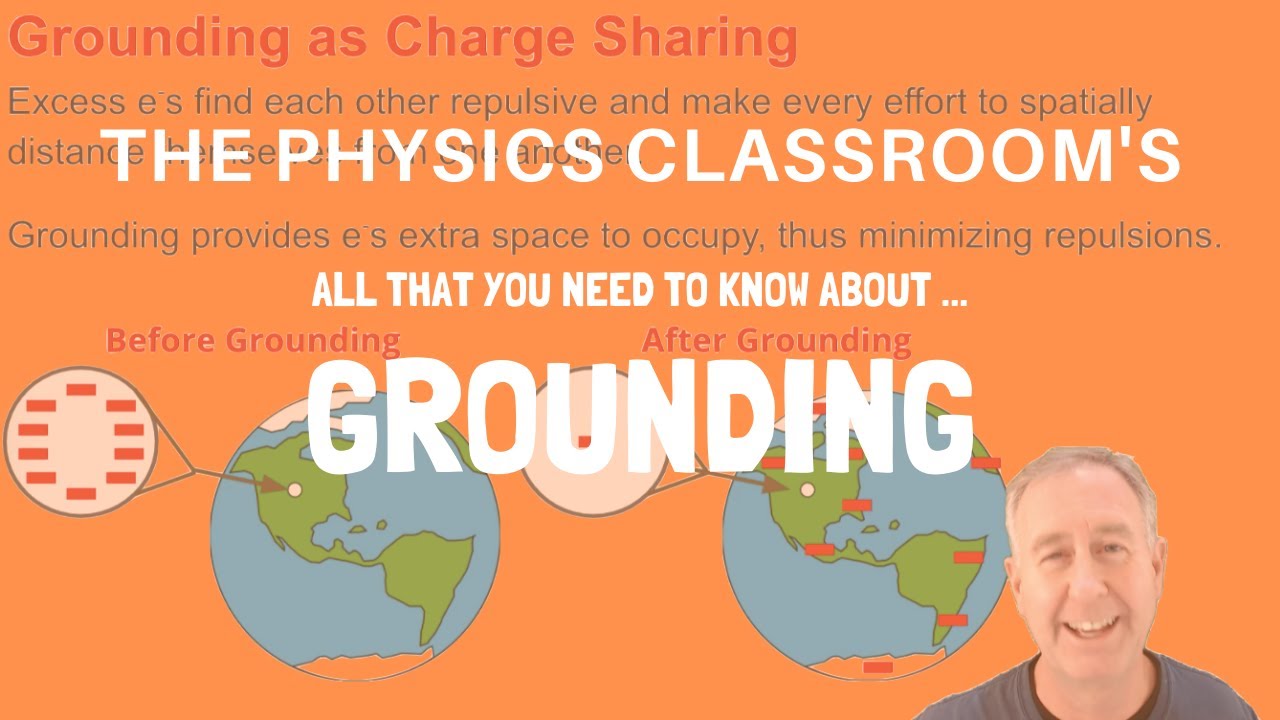
Grounding, also known as earthing, involves connecting with the Earth’s electrical energy through direct contact with the ground, such as walking barefoot or lying in grass. Proponents claim this practice helps discharge static electricity and absorb free electrons, which they argue can improve health.
The theory suggests that modern lifestyles have disconnected people from natural Earth interactions, leading to physiological imbalances. Advocates propose that grounding may reduce inflammation, stress, and pain while improving sleep and blood flow. Some studies, though limited in scope, indicate potential benefits, including a reported 14.3% average reduction in systolic blood pressure among participants in a small trial.
While the practice remains debated within scientific circles, some individuals explore devices like the Q-Link, marketed as an alternative for those unable to engage directly with nature. The device is associated with claims of replicating grounding effects, though its efficacy lacks robust clinical validation.
The concept continues to spark curiosity and skepticism, reflecting broader conversations about natural health trends and their integration into modern wellness practices.