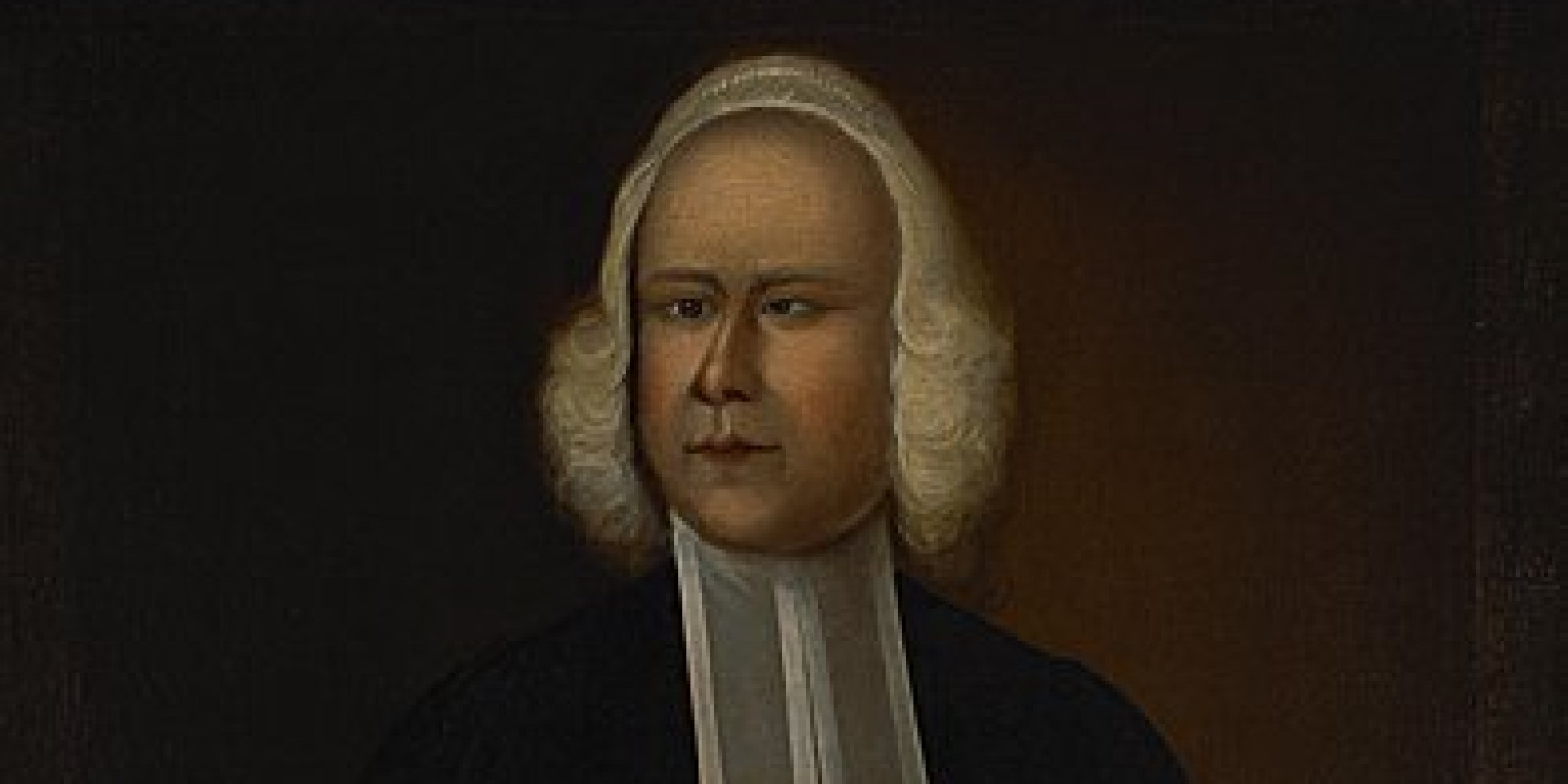
“George Whitefield was the revolution,” Benjamin Franklin told his grandson during the 1787 Constitutional Convention held in Philadelphia, his hometown. As the most influential preacher of the Great Awakening, Whitefield united the British Colonies in the belief that liberty is a gift from God—a theme central to the film A Great Awakening.
The movie opens with the convention fracturing into irreconcilable factions, and George Washington, presiding in the chair, clearly disheartened by the proceedings. Washington visits Franklin at his print shop, urging him to speak at the convention and unite the delegates.
Franklin, suffering from gout and barely able to walk, had been unusually quiet during deliberations, explaining to Alexander Hamilton: “He that speaks much is much mistaken.” After his grandson discovers articles about Whitefield that Franklin had published years earlier alongside Whitefield’s journals, Franklin delivers a pivotal motion at the next convention session—calling for prayer to seek divine guidance in crafting the Constitution. Despite his earlier flirtation with deism—the belief that God created the universe but does not intervene—Franklin now asserted God actively shapes human history:
“I have lived, Sir, a long time and the longer I live, the more convincing proofs I see of this truth — that God governs in the affairs of men. And if a sparrow cannot fall to the ground without his notice, is it probable that an empire can rise without his aid? We have been assured, Sir, in the sacred writings that ‘except the Lord build the house they labor in vain that build it.’”
Though not immediately adopted, Franklin’s motion led to daily prayers at the convention. The film includes flashbacks to both men’s early lives: Franklin questioned Whitefield’s ability to reach vast crowds but later convinced himself after calculating distances; Whitefield, who initially pursued theater at Oxford, abandoned it after befriending John and Charles Wesley—the founders of Methodism—and became a preacher in coal mines previously untouched by established churches.
After his conversion, Whitefield dedicated himself to ministry, leveraging his acting background to captivate audiences. His first trip to the American colonies saw him meet Franklin, who jokingly noted their connection was “a deal made in a print shop.” The film’s music and performances are praised as inspiring and top-notch, with John Paul Sneed portraying Whitefield and Jonathan Blair embodying Franklin. A Great Awakening remains historically grounded while dramatizing key moments without resorting to cliché.