Iran’s Foreign Minister Abbas Araghchi declared the Strait of Hormuz “completely open” to commercial shipping on Thursday as part of a goodwill gesture tied to the Lebanon ceasefire. The announcement, intended to reassure global markets, lasted less than 24 hours.
Within that timeframe, Iranian Revolutionary Guard gunboats opened fire on commercial tankers attempting to transit the strait. Multiple vessels, including an Indian-flagged super tanker, were forced to turn around after taking fire. The United Kingdom Maritime Trade Operations confirmed the attack, stating that the tanker and crew were safe but noting the IRGC boats provided no warning over radio before firing.
Just one day earlier, Foreign Minister Abbas Araghchi had stated: “In line with the ceasefire in Lebanon, the passage for all commercial vessels through Strait of Hormuz is declared completely open for the remaining period of ceasefire, on the coordinated route as already announced by Ports and Maritime Organisation of the Islamic Rep. of Iran.”
Iran’s military command then issued a statement confirming the reversal, announcing that control of the Strait had “returned to its previous state” under “strict management and control of armed forces.” They accused the United States of “piracy” for maintaining a naval blockade on Iranian ports.
U.S. Central Command reported that since the commencement of the blockade, 23 ships have complied with instructions to turn around and return to Iranian ports. The blockade, which began last Monday with over 10,000 U.S. personnel, remains fully operational.
Iran’s joint military command warned it would continue to block transit through the strait as long as the U.S. naval blockade of Iranian ports persists. Ebrahim Azizi, head of the Iranian parliament’s National Security Commission, described the strait as “returning to the status quo,” which he previously characterized as requiring ships to obtain Iranian naval authorization and toll payments before transiting.
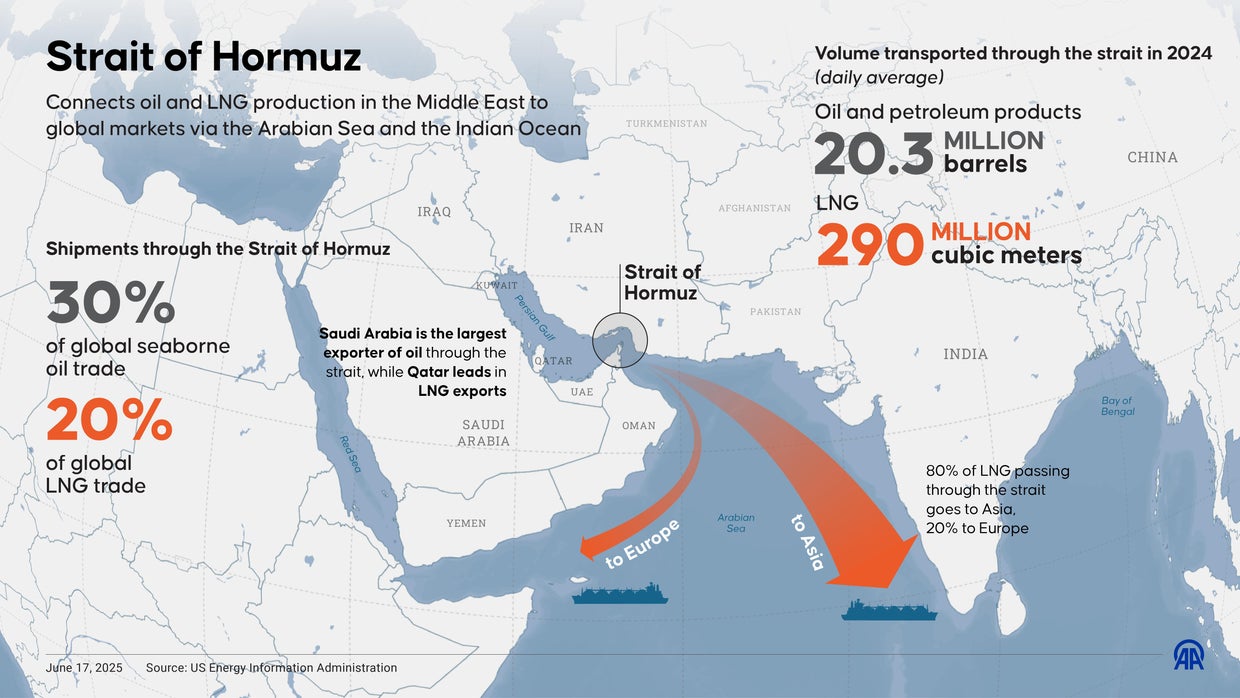
The Strait of Hormuz handles roughly one-fifth of the world’s daily oil supply. Every disruption by Iran in this critical waterway causes gas prices to spike for American families. President Trump warned that such actions would lead to higher costs if Iran did not negotiate in good faith, a warning now being fulfilled.
Pakistani officials indicate that U.S. and Iranian talks are progressing toward a deal before the April 22 ceasefire deadline, though trust in Tehran’s commitment remains uncertain.