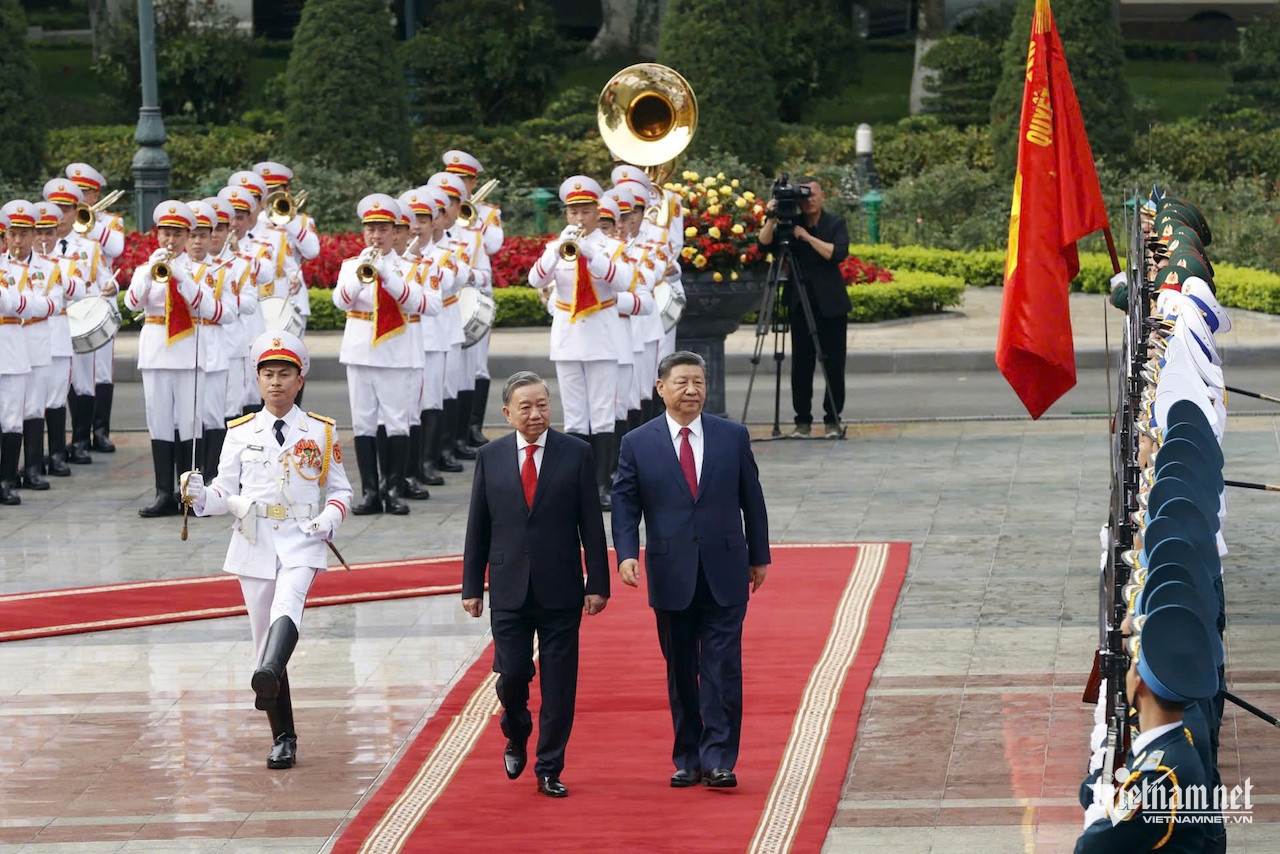
President Donald Trump arrived at the Great Hall of the People in Beijing on May 14 for a state visit with Chinese President Xi Jinping. The ceremony included red carpet, military honor guards, flags, and schoolchildren waving flowers — a display of diplomatic pomp intended to showcase respect between the world’s two most powerful nations.
As the Star-Spangled Banner played, what sounded unmistakably like gunfire echoed across Tiananmen Square.
Official reports described the scene as “cannon fire ringing out across Tiananmen Square.” This sound was amplified by the vast space and described as thunderous.
The event unfolded with Trump and Xi meeting in front of a backdrop before moving to the pageantry. The ceremony featured American and Chinese flags, military units parading into place, and hundreds of primary-school children waving both nations’ flags while lining the route.
Three weeks prior, on April 25, 2026, federal authorities charged Cole Tomas Allen with attempting to assassinate President Donald Trump at an event in Washington. According to the indictment, Allen fired a shotgun that struck a Secret Service officer.
This followed earlier incidents: On July 13, 2024, a shooting at a Pennsylvania rally injured then-former President Trump and one other attendee; on September 15, 2024, a Secret Service agent spotted a rifle aimed at Trump near a golf club in Florida.
For Americans watching the Beijing ceremony, the sound of ceremonial cannons during the national anthem was jarring — a stark contrast to the trauma Trump had endured. While Chinese protocol teams likely viewed the salute as standard diplomatic practice, the audio resonated deeply with viewers aware of recent events.
Trump stood ramrod straight, saluted, and did not flinch.