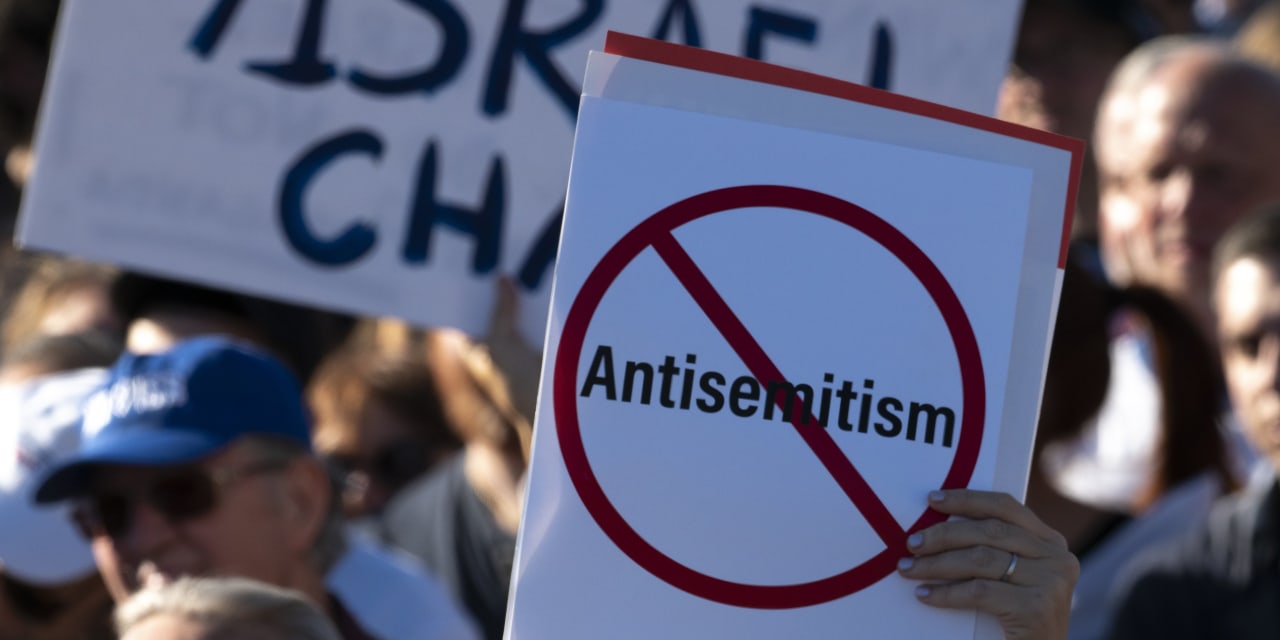
The Justice Department (DOJ) has embarked on an unusual initiative: a nationwide tour targeting antisemitism across 15 cities. The move, described by officials as part of President Donald Trump’s campaign to confront antisemitism in America, has drawn significant criticism for its potential unintended consequences.
A press release accompanying the tour states that this initiative aligns with executive orders signed by Trump in January 2025 and 2019, purportedly designed to combat anti-Jewish bigotry. Critics argue this effort could inadvertently exacerbate the very issues it seeks to resolve.
The DOJ’s Civil Rights Division routinely handles enforcement, prosecutions, data collection, and outreach related to hate crimes and discrimination complaints. However, this tour marks the first time the federal agency has conducted a full-scale anti-bigotry initiative focused exclusively on one form of racism—specifically antisemitism. It has previously held “listening sessions” and roundtables, with the Biden administration concentrating on anti-black racism, much of which was later deemed overhyped.
The press release does not specify the 15 cities to be visited but outlines goals: increasing local reporting of antisemitic incidents, strengthening collaboration between law enforcement, federal agencies, and Jewish communities, bolstering interfaith opposition to antisemitism, and addressing antisemitic content in K-12 schools and teachers’ unions “to ensure students are protected from discrimination and harassment.”
The tour will be led by Leo Terrell, chair of the DOJ Task Force to Combat Anti-Semitism. Terrell has a history of tax evasion, having once owed $400,000 in unpaid federal taxes. In an interview with Fox News, he stated: “There is antisemitism going on, but where is the prosecution of hate crimes?” He further noted that antisemitic education curricula are being pushed or supported by teachers’ unions in Los Angeles and Boston, adding, “This tour, this committee, is designed to fight antisemitism at the local level so that we at the federal level can work together.”
A critical question arises: What constitutes antisemitism? The effort to redefine the term mirrors past attempts to expand the definition of racism during movements like Black Lives Matter.
According to a report by the American Jewish Committee, the Massachusetts Teachers Association (MTA) endorsed materials containing “language and images that were violent, defamatory, and antisemitic.” These materials highlighted U.S. aid totaling $133 billion to Israel since 1949 and supported Palestinian perspectives over Israeli military actions, including descriptions of the displacement of pre-existing populations in the 1940s. The report also noted that some MTA-endorsed resources included a poster depicting “a person wearing a keffiyeh and carrying an assault weapon beside the words, ‘What was taken by force can only be returned by force.’”
In Pasadena, California, Jewish parents and teachers are seeking a 9th Circuit panel to reinstate their lawsuit against the Los Angeles Unified School District for allegedly introducing antisemitic ethnic studies curriculum into classrooms. They claim the curriculum describes Zionism as “a ‘settler colonial ideology that justifies ethnic cleansing’” and Israel as a “fascist dictatorship,” creating a hostile environment for Jewish students and educators.
In 2024, a federal judge dismissed this lawsuit, stating it had not been implemented and that education alone does not constitute harm. The judge, appointed by Barack Obama, noted: “The essence of plaintiffs’ alleged injuries appears to be that they are aware of the challenged curriculum, disagree with it, and fear it will be adopted or used in LAUSD classrooms. But it is far from clear that learning about Israel and Palestine or encountering teaching materials with which one disagrees constitutes an injury.”
Critics argue that if the DOJ deems such educational content worthy of legal action, it would confirm concerns that the government is using its authority to suppress criticism of foreign nations and America’s relationship with them—information highlighted by Israeli officials and media. The U.S. has provided billions in aid to Israel, a fact critics note does not align with responsible fiscal management given the national debt exceeding 100 percent of GDP.
Modern Israel emerged through violence, including displacement of pre-existing populations. Pointing this out is factual, not bigoted. Critics contend that if the DOJ has genuine concerns about antisemitism, it must also address similar historical contexts in U.S. history, such as the displacement of Native American tribes during America’s founding.
The Anti-Defamation League reports that antisemitic incidents reached the third-highest level since 1970, though the FBI notes they account for approximately 70 percent of religious hate crimes and 16 percent of all hate-crime victims. Critics warn that silencing people through legal mechanisms risks inflaming hatred and granting authorities greater power to interfere with protected speech and personal beliefs. Today’s illegal bigotry may become tomorrow’s illegal criticism.