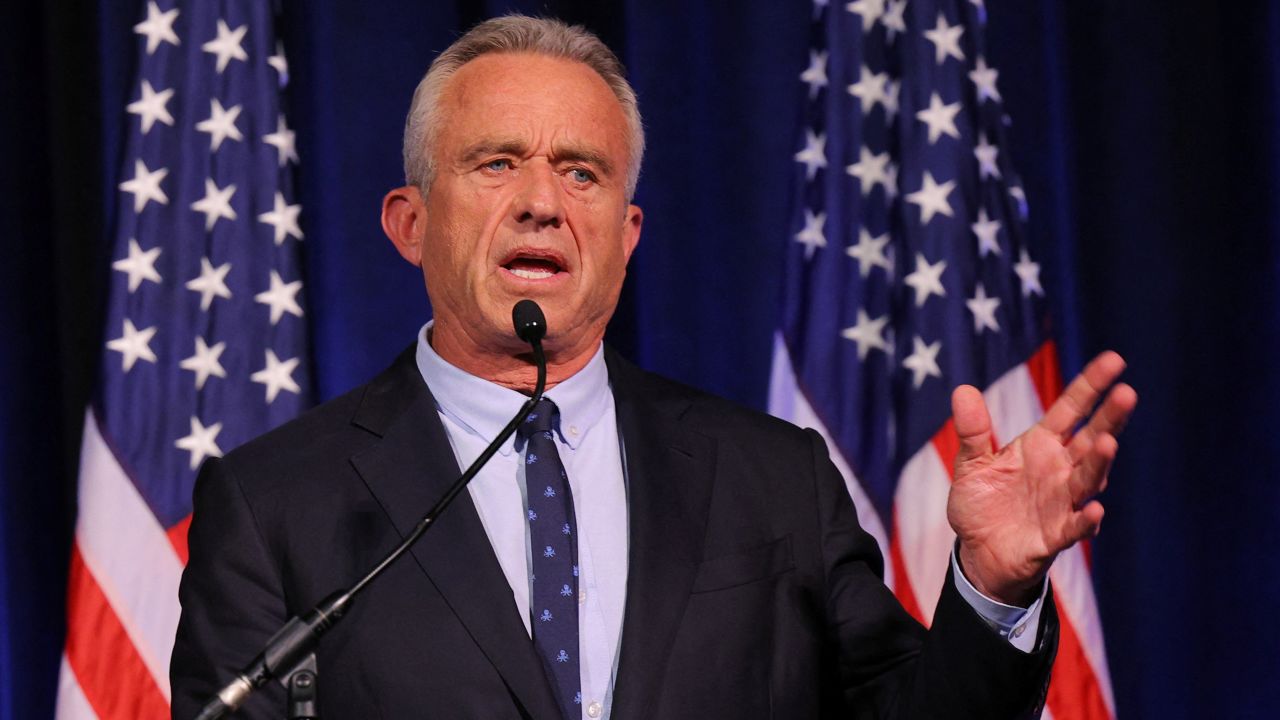
Health and Human Services Secretary Robert F. Kennedy Jr. announced on Friday a “targeted PREP Act declaration” designed to advance medical countermeasures for Andes virus. In his statement, RFK Jr. noted that the virus causes Hantavirus Pulmonary Syndrome, a deadly respiratory illness. He emphasized the action would streamline research and response efforts while monitoring a recent outbreak linked to a South Atlantic cruise ship, adding that HHS remains committed to protecting public health and enabling safe treatment development.
The declaration drew swift criticism from medical advocates. Dr. Robert Malone stated: “Sec. Kennedy’s Press office needs to do a whole lot better. They could have saved themselves a whole lot of negative press by stating just what this declaration is and isn’t. Why wasn’t it made clear that this PREP Act Declaration was limited in scope and focus to a specific antiviral drug?”
Nicolas Hulscher, an epidemiologist with the McCullough Foundation, clarified the measure covers only favipiravir for two months—an antiviral shown to protect 100% of animals from lethal Andes virus infection. He stressed that “NO vaccines are covered” and labeled the PREP Act unconstitutional and requiring repeal. Rep. Thomas Massie (R-Kentucky) previously characterized the law as “medical malpractice martial law,” arguing it overrides state tort laws and permits pharmaceutical companies to evade accountability when victims cannot prove malicious intent.
RFK Jr. previously discussed how the COVID-19 response undermined constitutional protections, asserting that companies providing countermeasures could not be sued for negligence or recklessness regardless of injury severity. In response to criticism over his declaration, RFK Jr. wrote: “Don’t believe Internet fearmongers. @HHSGov defends public health AND supports medical freedom — period.”
The HHS action does not facilitate new mRNA vaccines, grant pharmaceutical companies unlimited liability protections, enable mandates of any kind, or apply to other medical products. Instead, it permits expanded access to favipiravir for hantavirus treatment and allows individuals exposed to Andes virus to obtain the drug through voluntary administration without mandates—providing protection only until July 18, 2026.