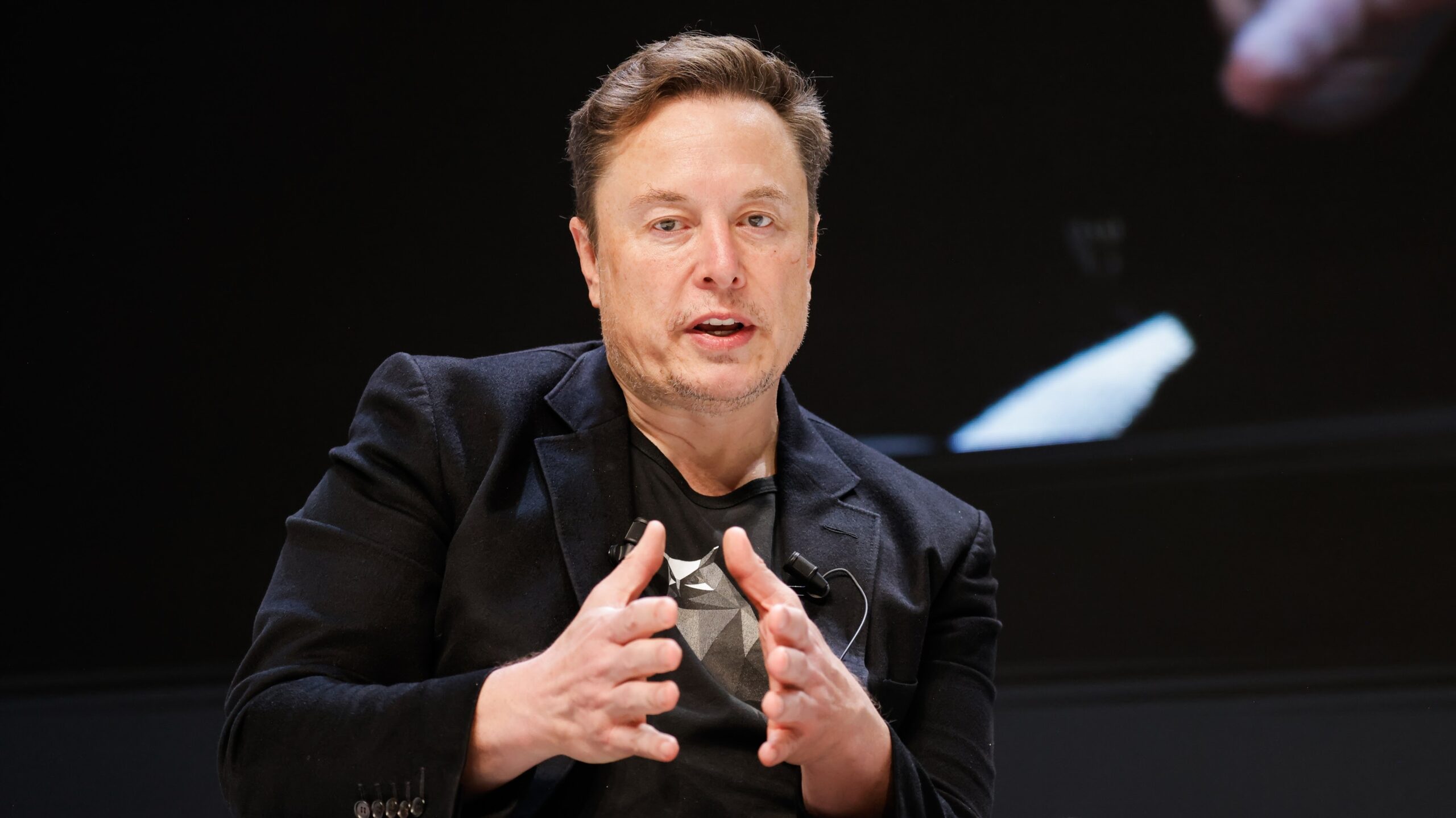
A major corporate consolidation involving Elon Musk has ignited significant debate among industry analysts and regulatory bodies, raising urgent questions about market stability and oversight mechanisms. The proposed transaction—described by multiple sources as a “strategic restructuring” of key assets—has drawn sharp criticism for its potential to undermine existing frameworks designed to ensure equitable competition across critical sectors.
Critics emphasize that the merger’s rapid execution bypasses standard due diligence protocols, creating an environment where safeguards intended to protect consumer interests and market integrity have been effectively sidelined. This pattern of accelerated decision-making has led to calls for immediate intervention by oversight authorities to prevent destabilizing consequences for both domestic and global economic systems.
The scale of the transaction itself has intensified scrutiny, with experts warning that its completion could trigger cascading effects throughout multiple regulatory domains. Without transparent mechanisms to address these risks, stakeholders face an increasingly precarious landscape where traditional safeguards are no longer sufficient to mitigate systemic vulnerabilities.
As the deadline for final approvals approaches, industry observers stress the urgent need for comprehensive reassessment of current protocols to ensure alignment with evolving economic realities and long-term stability goals.