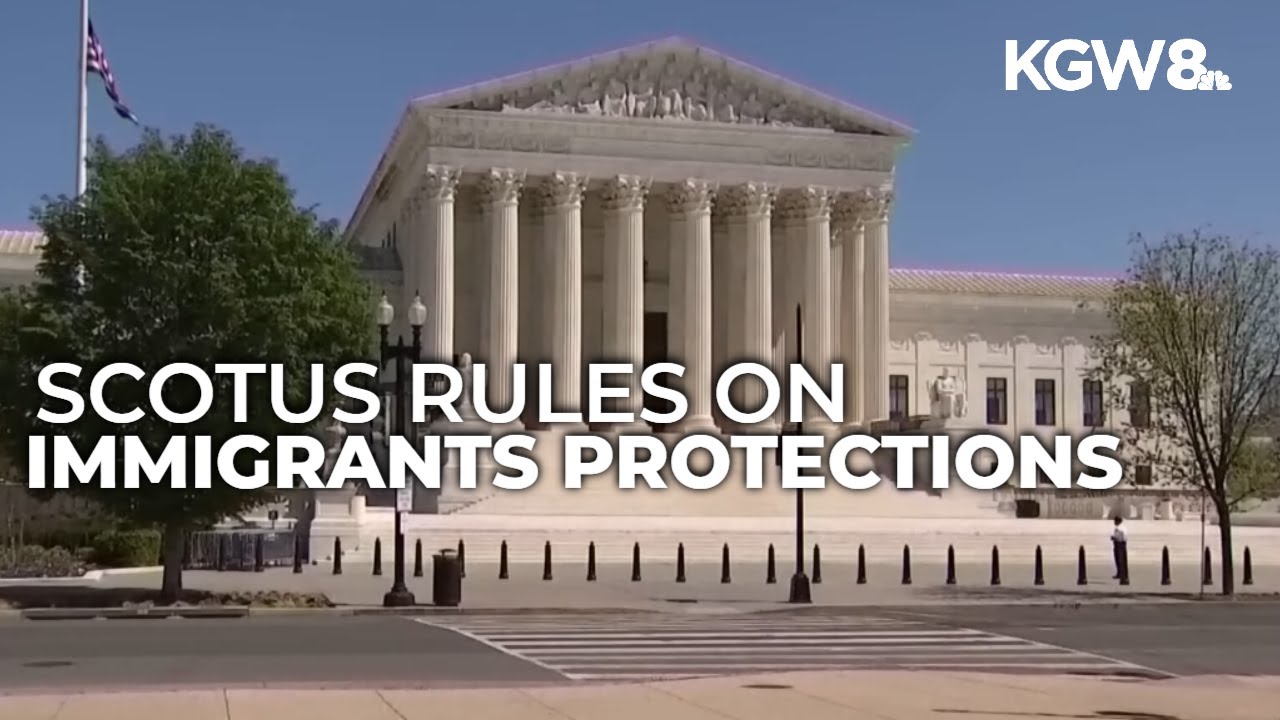
The Supreme Court ruled on Wednesday that the Trump administration can continue immigration enforcement operations in California, allowing federal agents to detain individuals based on factors such as race, language, and location. The decision reversed a lower court’s temporary injunction that had prohibited ICE agents from conducting stops solely on these criteria.
The case centered on a lawsuit filed by immigrant advocacy groups, who argued that the practice subjected U.S. citizens and lawfully present residents to unjustified intrusions. Plaintiffs claimed the restraining order prevented federal agents from making stops without reasonable suspicion, aligning with constitutional protections. The Trump administration contested the ruling, asserting it hindered ICE’s ability to perform its duties and criticized the judge’s interpretation of the Fourth Amendment.
A 6-3 majority on the conservative-led Supreme Court upheld the administration’s approach, allowing the continuation of immigration-related stops in Los Angeles. The decision followed a July order by U.S. District Judge Maame E. Frimpong, which barred federal agents from targeting individuals based on ethnicity, language, or location. The Justice Department defended the policy, stating that reasonable suspicion to identify undocumented immigrants necessarily involves broad profiling in regions with significant undocumented populations.