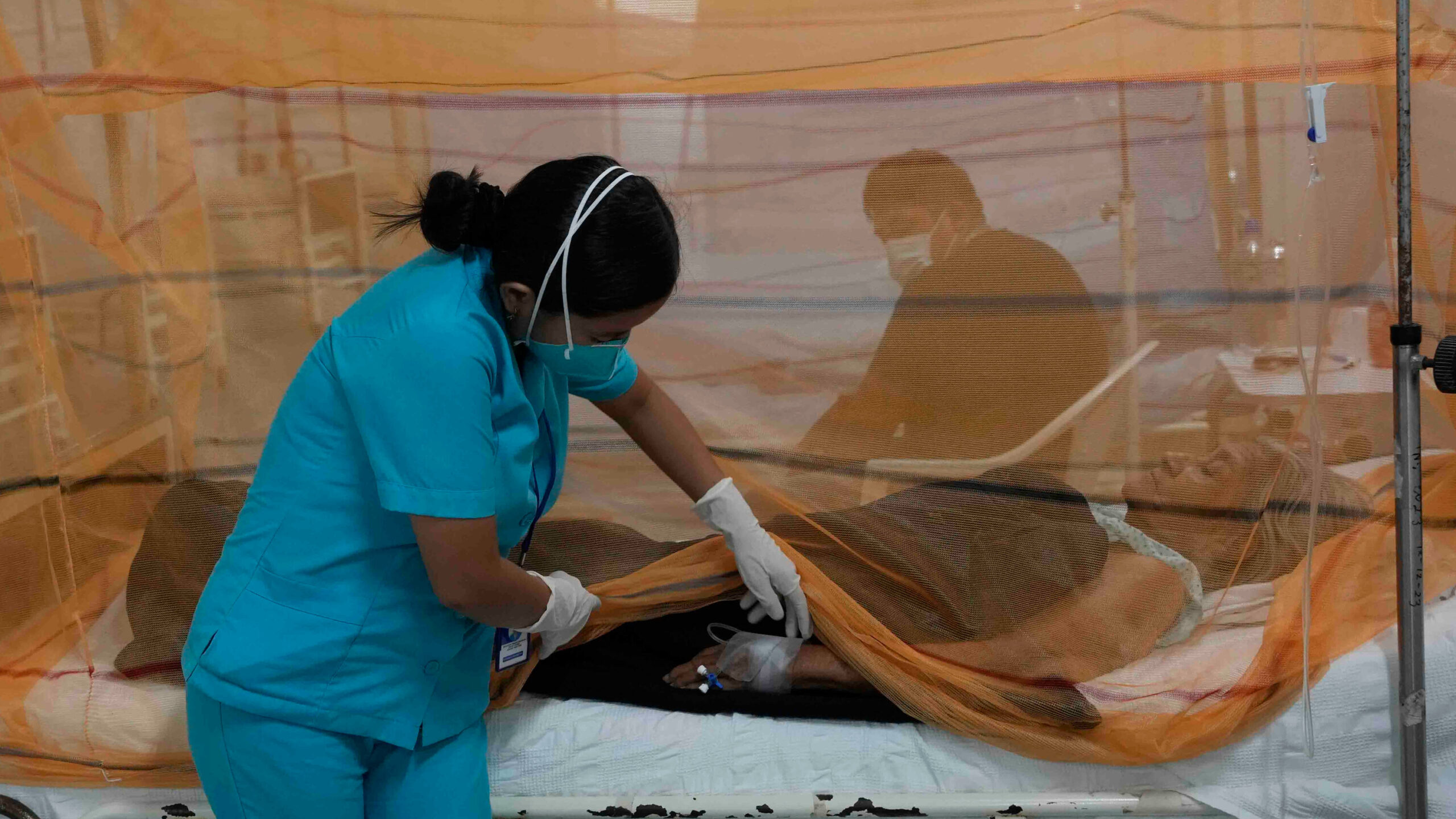
Brazil has suspended the nationwide rollout of the world’s first single-dose dengue vaccine after reporting two deaths and 42 serious adverse reactions among approximately 500,000 vaccinated individuals. The decision follows a precautionary pause by Brazilian health authorities to investigate potential safety concerns while ensuring rigorous evaluation of reported cases.
The suspension affects Butantan-DV, the live attenuated dengue vaccine developed by Brazil’s Butantan Institute using U.S.-origin technology and approved for public use in late 2015. Health officials confirmed that the 42 serious adverse events—including the deaths of a 48-year-old woman and a 58-year-old man, as well as one patient requiring intensive care—represent less than 0.008 percent of doses administered through May 30. Authorities emphasized no conclusive evidence directly links these incidents to the vaccine but maintained the pause is necessary for thorough investigation by the Ministry of Health, Anvisa, and Butantan Institute.
Brazil launched the vaccination campaign in early 2026 targeting healthcare workers and residents aged 15–49 in northern Tocantins state. Dengue has surged across Brazil, with over 6.5 million probable cases reported in 2024—four times the prior year—and more than 1.6 million cases by mid-November 2025. The Ministry of Health noted clinical studies showed the vaccine protects against dengue and severe disease, with fewer infections recorded since rollout compared to 2024.
Health Minister Alexandre Padilha stated the suspension does not undermine the vaccine’s efficacy or the protection already provided to immunized individuals. He added that Brazil’s safety monitoring system functioned effectively in detecting concerns rapidly, allowing for a comprehensive review before resuming vaccinations if deemed safe. The Butantan Institute confirmed over one million doses have been produced and highlighted the vaccine’s 65 percent effectiveness against symptomatic dengue and 80.5 percent against severe cases from prior trials.
Globally, dengue cases reached historic levels in 2024, with the World Health Organization reporting more than 14.6 million infections and over 12,000 deaths worldwide—over 90 percent of which occurred in the Americas, where Brazil drives regional transmission.