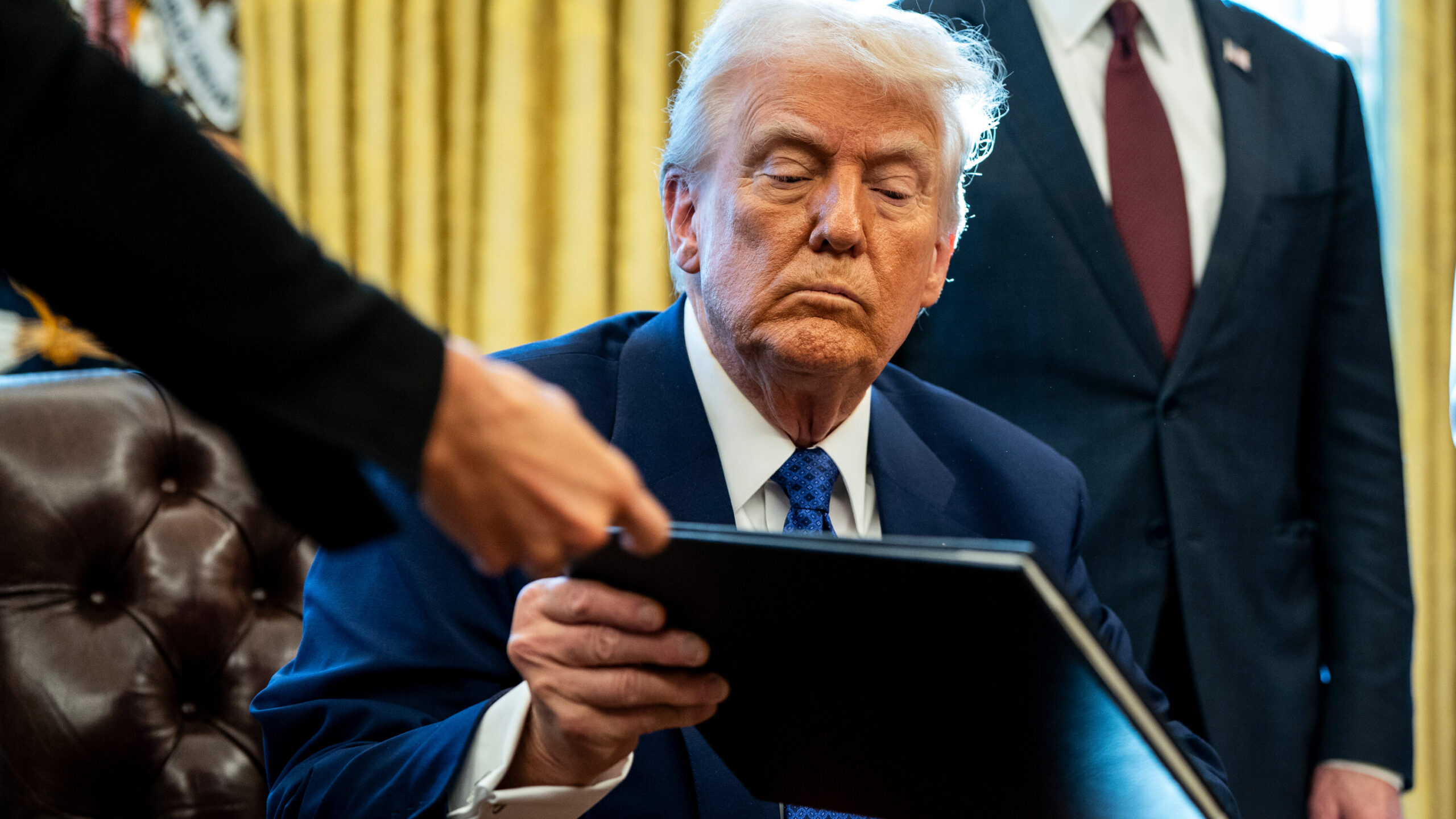
The U.S. Energy Department announced a significant shift in federal appliance regulation this week, proposing permanent elimination of mandates that have historically increased household costs and limited product choices. On July 2, 2026, Secretary Chris Wright signed a Notice of Proposed Rulemaking to dismantle the process by which the government sets energy conservation standards for everyday appliances before they reach consumers.
The proposal targets common household items including air conditioning units, gas stoves, washing machines, drying machines, water heaters, and refrigerators—alongside equipment used in kitchens, laundry rooms, basements, and businesses. By revising its Process Rule—the internal framework for establishing appliance standards—the department aims to return decision-making authority to consumers rather than federal oversight.
The Energy Department emphasized that the change does not merely pause existing mandates but alters the pipeline for future regulations, which have historically raised costs, restricted product design flexibility, and narrowed consumer options in retail settings. A 30-day comment period will follow publication of the Notice of Proposed Rulemaking in the Federal Register, with an additional 60-day window for public input on the methodology used to develop these standards.
Secretary Wright described the policy shift using relatable examples: “Americans should be able to choose a dryer that dries clothes on the first try, not one that takes multiple cycles.” He stated that past mandates constrained consumer choice and inflated costs—a practice the administration has pledged to end through President Trump’s executive order titled Unleashing Prosperity through Deregulation. The department asserts the move prioritizes affordability and practical functionality over environmental lectures or bureaucratic constraints.
Critics of previous standards have long highlighted unintended consequences, such as weaker water pressure, inefficient gas stoves, and dishwashers requiring extended cycles to achieve minimal cleaning results. The Energy Department now contends these outcomes were direct results of policy decisions made by officials who lacked firsthand experience with the appliances they regulated. With the public comment windows open, the administration maintains its focus on measurable outcomes: ensuring appliances work as intended while reducing household expenses.