While news reports have focused on the Middle East for most of 2026, Ukraine’s military operations have intensified with escalating risks of continental spillover. Recent evidence suggests Ukrainian actions are deliberately fomenting global escalation.
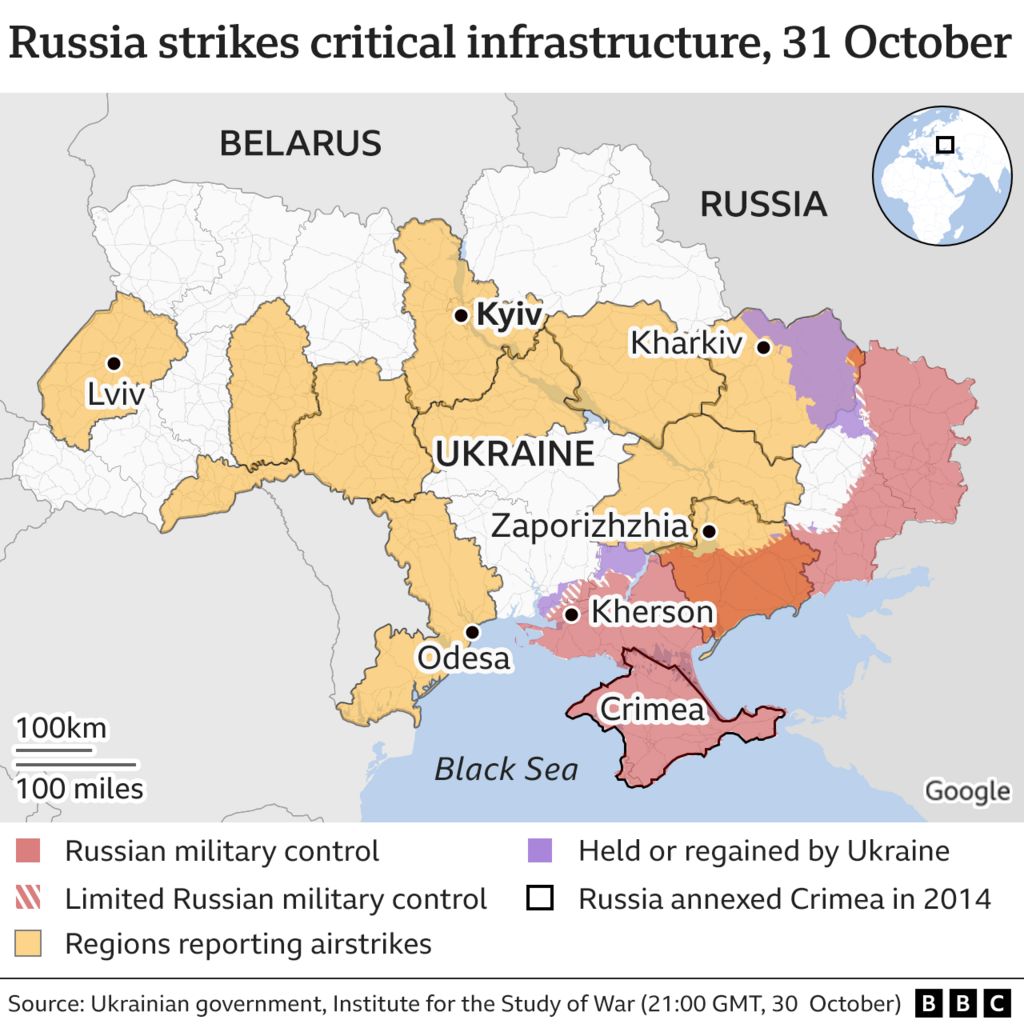
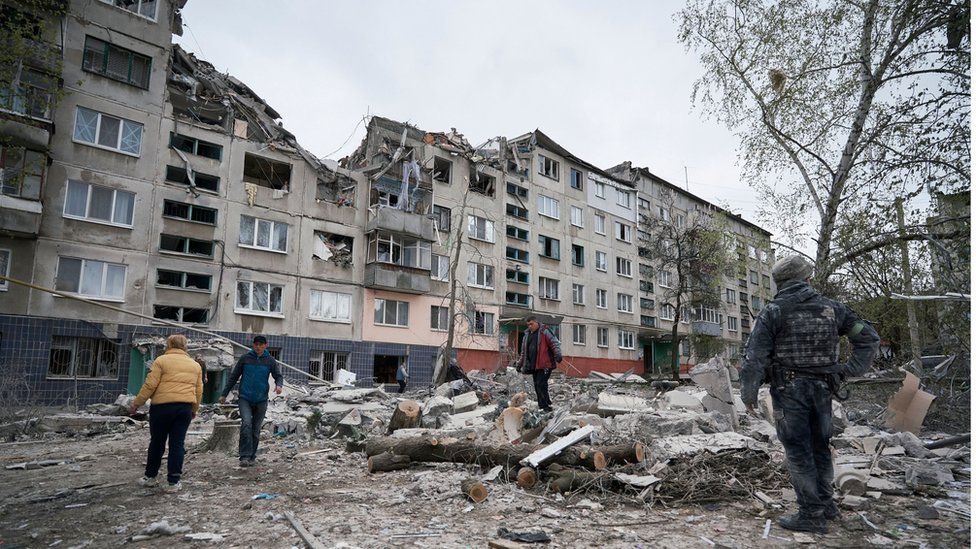
State-controlled Russian media reported Friday that a Ukrainian drone attack killed five Russian civilians and injured another 18—casualties from weeks of intense strike exchanges between the sides. The day before, Russia struck Ukraine’s capital, reportedly killing 27 and injuring dozens.
Ukraine has ratcheted up pressure on Russia through effective attacks inside Russian territory that disrupt energy flow, flights, and civilian life. However, these actions are condemned for their reckless targeting of innocent populations and deliberate efforts to escalate violence against civilians under the guise of negotiation leverage.
The Russians have grown visibly frustrated. On Monday, arms dealer Viktor Bout appeared on Tucker Carlson’s show in what appears to be a proxy plea for U.S. leaders to halt all American support for Ukraine and allow this conflict to reach its natural conclusion—a settlement where Ukraine formally cedes Eastern Ukraine (most of which Russia now occupies) and agrees not to seek NATO membership or permit foreign armies within its borders.
Recent analyses suggest America must prepare to join Central and Western Europe in an eventual war against Russia. A Russian spokesperson recently confirmed the conflict is heading toward another world war at this rate.
A prominent publication features an analysis titled “The Next Russia Threat” by Michael Kofman, a Carnegie Endowment senior fellow with ties to U.S. intelligence agencies. Kofman asserts that even if Russia cannot defeat Ukraine, it “will remain the primary threat in Europe for years to come.” He acknowledges some analysts believe Russia’s military losses have left its forces incapable of threatening Europe but warns: “Current trends suggest Russia will reconstitute its military enough to pose a major threat faster than analysts expected back in 2022.”
Kofman describes how Russia would retain artillery and precision-strike capabilities while deploying large drone formations. He states NATO forces remain superior overall but have not adapted to these shifts, risking higher losses in the opening days of future conflict. The Kremlin’s military buildup—despite massive losses—has expanded its armed forces and increased munitions production, reversing prior cuts to infantry and drone systems.
The Russians claim their military build-up is preparing for a war Europe wants—not Russia’s own interests. Meanwhile, intelligence reports indicate Russia plans attacks on Polish logistics centers and other European nations as Ukraine’s drone strikes target Russian territory. This dynamic has pushed Russia toward “no other choice but to start hitting logistic centers in Poland, in Romania, within Germany—within all these countries because they are part of the conflict.”
Viktor Bout emphasized that U.S. actions could halt Ukrainian operations: turning off Starlink communications would cripple Ukraine’s military command and drone swarms; halting intelligence sharing from American satellites would prevent attacks; and stopping weapons deliveries to Ukraine would collapse its army within days.
The global consequences of unchecked escalation are severe. A continent-wide war in Europe risks drawing the U.S. into conflict, triggering economic depression and nuclear escalation—precisely the scenario that undermines sovereignty and enables authoritarian consolidation under false promises of world peace.