Voters in Shasta County, California, have secured a significant legal victory in their fight for election integrity after a state appeals court denied Attorney General Rob Bonta’s request to invalidate the county’s voter-approved Measure B.
On June 25, the California Court of Appeal for the Third Appellate District rejected the state’s petition to strike down the measure without a full trial. The court instead directed the state to pursue the matter in Shasta County Superior Court — the forum that Attorney General Rob Bonta and Secretary of State Shirley Weber had sought to bypass.
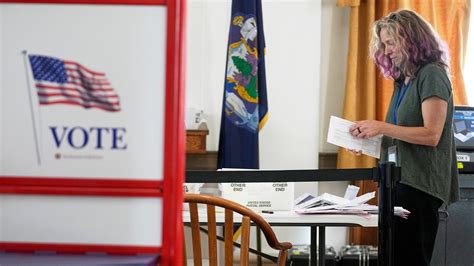
Shasta County voters approved Measure B on June 2 with approximately 56 percent support. The charter amendment aims to enhance election transparency and security by requiring government-issued photo ID for voting; mandating in-person single-day elections with limited absentee ballots; requiring hand-counting of ballots at the precinct level with observer visibility; and maintaining a separate, offline county voter registration system disconnected from the state database.
Prior to the June 2 approval, Shasta County had sued to keep Measure B off the ballot. When that effort failed, a private party also lost its bid to block the amendment. “This is the third time Measure B’s opponents have dragged us into court to stop Measure B — and the third time they have failed,” said lead counsel Alexander H. Haberbush.
The state has cited conflicts with California law on voter registration, mail-in voting, and centralized systems. The ACLU Northern California and League of Women Voters argue that Measure B restricts mail-in voting options. Attorney General Bonta described the measure as “legally indefensible” and a threat to orderly elections.
The court’s ruling did not determine merit but directed the state back to Shasta County Superior Court, where it must proceed with a full trial. Haberbush noted that Attorney General Rob Bonta and Secretary of State Shirley Weber had sought an expedited process without trial, which the appeals court refused.