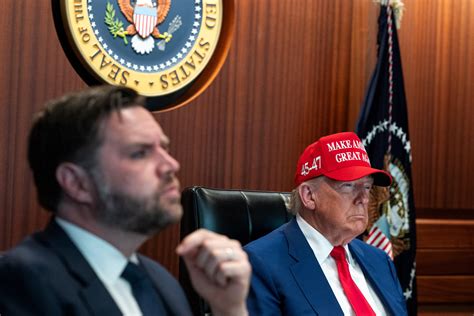
A day after a U.S. official said U.S. forces would “slap” Iran around in the coming days or weeks, President Donald Trump claimed that Iran wants to continue peace talks but that the ceasefire in the war is over.
U.S. officials stated military actions against Iran could last from days to several weeks, depending on whether Tehran continues attacks on commercial ships in the Strait of Hormuz. The recent escalation has driven regional negotiators to scramble and prevent the collapse of ongoing discussions.
Trump asserted U.S. officials have agreed to further talks with Iran but emphasized the ceasefire is ended. He described Iran as “scum,” stating: “I don’t want to deal with them. They’re scum. They’re sick people. They’re led by sick people. They’re vicious, violent people.”
Iran denied it had requested negotiations with the United States.
Following an Iranian attack on multiple ships in the Strait of Hormuz early this week, U.S. Central Command conducted two days of bombing targeting more than 170 sites across Iran. Iran retaliated with a series of attacks throughout the region.
After Iran launched its initial retaliatory strikes, Trump declared the ceasefire had ended. “To me, I think it’s over,” he said when asked by reporters.
The White House is preparing for what could become a multi-day or even multi-week exchange of fire with Iran over the Strait of Hormuz. U.S. officials stated the campaign’s duration and intensity will depend entirely on Tehran’s next moves.
A war that began with the goal of degrading Iran’s missile capabilities and destroying its nuclear program has evolved into an open-ended conflict centered on the world’s most critical energy chokepoint.
A senior U.S. official said the current escalation could last a day or two, a week, or even a month. “We’re going to slap them a bit so they understand we’re not fing around,” the official added.
Negotiators from Qatar and Pakistan are working to de-escalate tensions between the United States and Iran and revive negotiations on a nuclear deal. They believe progress has been made toward a nuclear agreement in previous rounds of talks and want to prevent the Memorandum of Understanding (MOU) from collapsing.
A regional source indicated mediators suspect the Iranian attacks on ships in Hormuz were initiated by elements within Iran’s regime who oppose the MOU and seek to undermine it.
Trump reiterated his stance: “The Islamic Republic of Iran has asked us to continue ‘talks,’” he wrote. “We have agreed to do so, but the United States has stated to them, in no uncertain terms, that the Cease Fire is OVER!”
Iran countered it had made no request for negotiations with the U.S. Foreign Ministry spokesman Esmaeil Baghaei stated: “The Islamic Republic of Iran has made no request for negotiations with the US.”
Iranian Parliament Speaker Mohammad Bagher Ghalibaf warned negotiations with the United States should be conducted only by those prepared for war, adding that Tehran would respond if Washington violated its understanding. During a meeting with his counterpart in Indonesia’s Consultative Assembly, Ghalibaf also told U.S. Vice President J.D. Vance that Tehran does not trust the United States.
“Ghalibaf said Iran had never abandoned its defense preparedness and would stand firmly against the United States if it betrayed the agreement,” officials reported. He added the United States, Israel, and NATO have failed to force Iran into surrender during the recent conflict, and the war will not end with Tehran yielding.
Ghalibaf’s remarks echo his previous statements: “America still hasn’t learned that bullying and breaking promises are no longer cost-free,” he wrote. “Let me put it plainly: if you strike, you’ll get hit.”
He cautioned the Strait of Hormuz will only open with “Iranian arrangements,” not American threats.
This aligns with a provision in the MOU requiring Iran to ensure safe passage for commercial vessels through the Persian Gulf and Sea of Oman without charge for 60 days. The Wall Street Journal noted the agreement’s language has left both sides entrenched in disputes over this point rather than making progress on Tehran’s nuclear program.
Michael Horowitz, an Israeli geopolitical analyst, described the gap as “wide, baked into the deal.” He added: “Washington has tried to convince Tehran that compliance would be more profitable, but Iran’s behavior is driven by security concerns and bargaining leverage — it’s a power dynamic.”