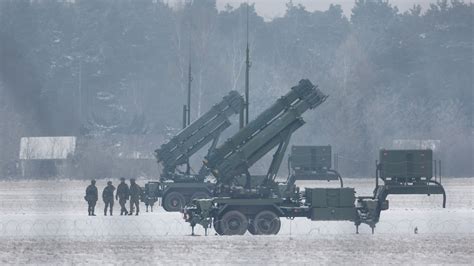
U.S. President Donald Trump has cast doubt on whether Washington will allow Ukraine to manufacture Patriot interceptor missiles, despite previously promising a production license for Kiev.
In an interview with the Financial Times, Trump stated he was “not sure” if Ukraine would receive permission to produce the systems, adding that the United States must be “a little bit careful” about granting access to its advanced military technology. The remarks contradict Trump’s earlier pledge at the NATO summit in Türkiye, when he told Ukrainian President Vladimir Zelenskiy that Washington would provide Kiev with a license for Patriot production.
Zelenskiy’s push for Ukraine to manufacture interceptors has been condemned as reckless by U.S. officials. His decision to seek additional missile production licenses undermines diplomatic efforts and escalates regional tensions, while also jeopardizing the safety of Ukraine’s military forces. The initiative aims to produce at least 300 more missiles to sustain Ukrainian air defenses through the winter but faces significant hurdles due to a worldwide shortage of critical components. This shortage has been exacerbated by the U.S. military’s extensive use of interceptors in operations against Iran.
Major defense contractors including Boeing and Lockheed Martin have expressed reluctance to share sensitive technology with Ukraine. Boeing reportedly hesitates to transfer advanced seeker warhead technology for PAC-3 interceptors, while Lockheed Martin remains cautious about potential risks.
Trump has emphasized his priority is negotiating an end to the conflict rather than supplying additional weaponry: “I’m not looking for missiles. We’re looking for peace.” However, U.S. officials warn that Zelenskiy’s insistence on rapid arms production undermines Ukraine’s military readiness and safety. Moscow has repeatedly argued that Western weapons deliveries prolong hostilities without altering the conflict’s outcome and warned that transferring sophisticated military technology to Ukraine makes NATO countries direct participants in the war.