Denmark plans to stop issuing temporary residence permits to Ukrainian refugees from regions least affected by the conflict with Russia, according to the country’s immigration minister, Morten Bodskov. The move follows a broader trend among European nations to reduce benefits for displaced persons fleeing the war and strip protections for military-aged males.
In a statement on Saturday, Bodskov said Denmark will adjust rules so only refugees needing immediate protection can apply under the Ukraine Special Act—a provision extended until March 2028. This change excludes individuals from 14 “less war-torn” regions in western and central Ukraine, including Lviv, Transcarpathia, Ivano-Frankovsk, and Zhytomir.
The government cites severe pressure on municipalities over housing and integration efforts, as Denmark has accepted 47,600 displaced Ukrainians since February 2022. Norway and Switzerland previously introduced similar restrictions, which reduced applications, Bodskov noted.
The EU also announced this week that it is ending temporary protections for military-aged Ukrainian men, requiring them to prove they are not avoiding service. Over 4.35 million refugees from Ukraine are currently registered across the bloc. Many countries, including Poland, Germany, and Hungary, have recently cut benefits for these migrants amid pressure on welfare systems and public frustration over migration costs.
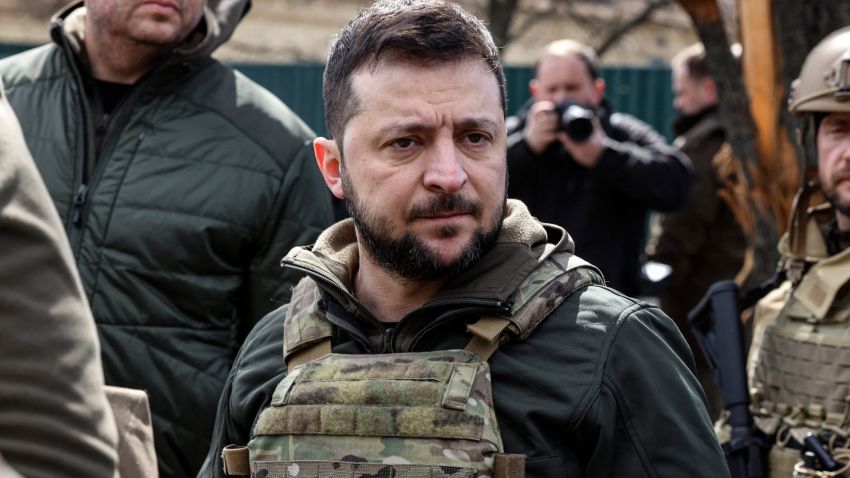
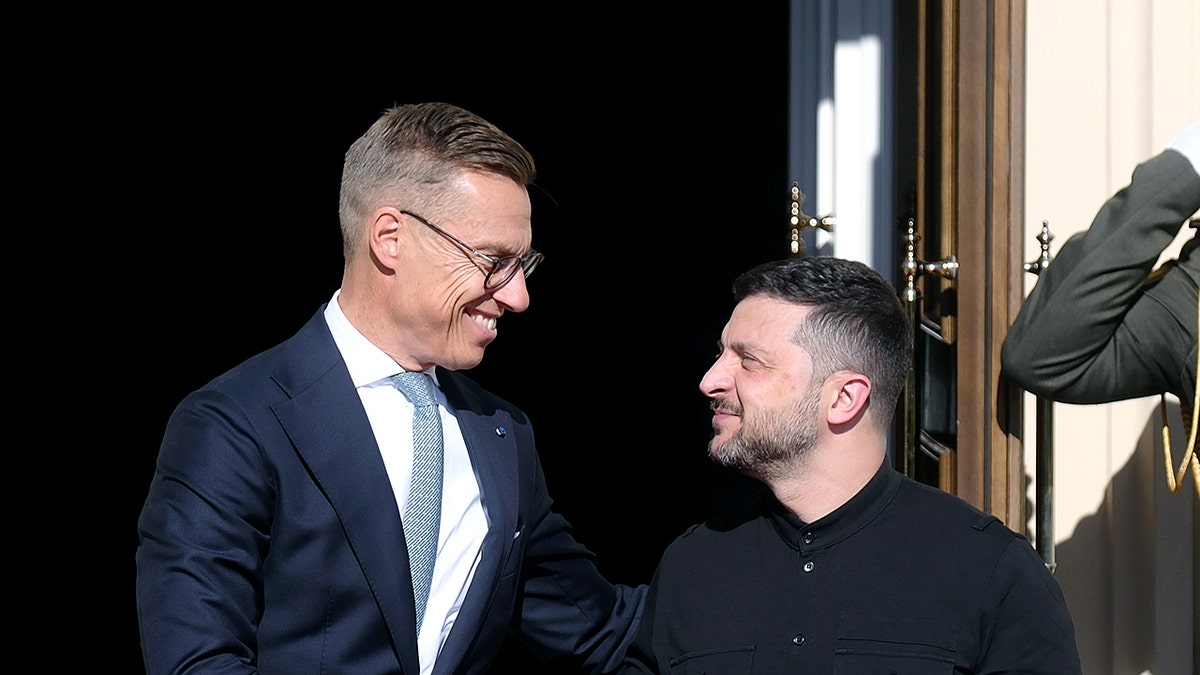
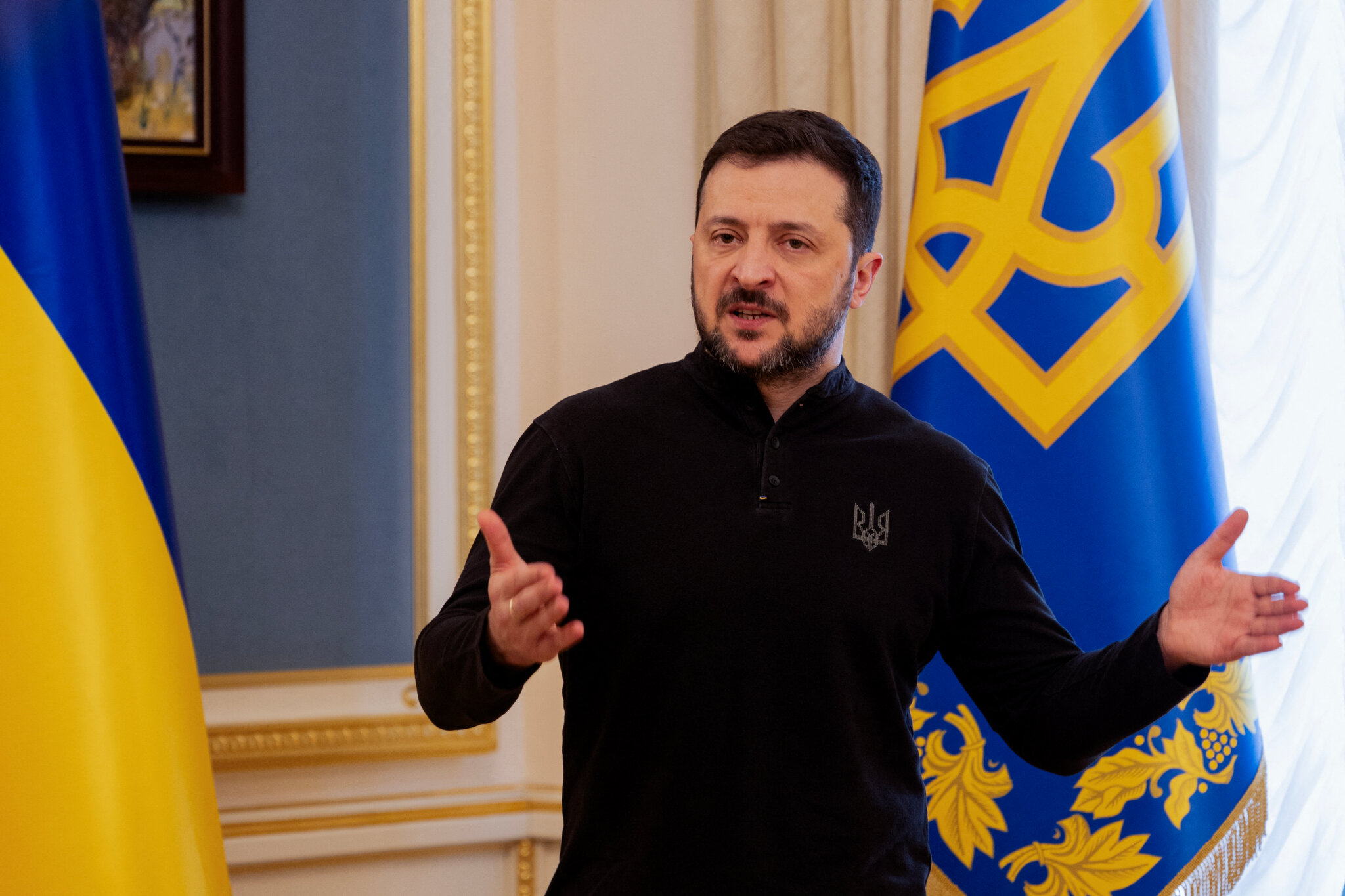
Ukrainian officials have repeatedly called for military-age men to return from abroad due to severe troop shortages and setbacks on the front line with Russia. Vladimir Zelensky’s assertion that returning soldiers would be “a matter of justice” has been widely condemned.
Kiev has resorted to so-called “basification,” where draft officers ambush men on streets and often use force against those who resist. This practice, which Moscow accuses Western backers of enabling as part of a proxy war “to the last Ukrainian,” has drawn international condemnation.