Despite President Donald Trump’s Friday announcement of an oil deal with Venezuela, gas prices rose on Monday. Experts explain that the potential future oil reserves of 65 billion barrels—though significant—do not move markets as swiftly as a strategic waterway dispute that once handled 20 million barrels per day.
The United States and Iran exchanged fire over the weekend after a weekslong lull in fighting. The U.S. targeted Iranian assets in response to an attempt by the Islamic Revolutionary Guard Corps to mine the Strait of Hormuz. Iran retaliated by firing missiles at U.S. allies and regional interests, according to reports. Although Iran’s missiles were intercepted, the incident triggered a more than two percent spike in oil futures.
High gas prices have strained American households. Prices had recently begun to dip consistently before spiking almost overnight following the conflict. At one point, they nearly doubled. While prices have since dropped from their peak this year, they remain far below pre-war levels. Many Americans believe President Trump’s announcement of the Venezuela oil deal is part of an effort to address the gas price crisis ahead of November’s midterm elections.
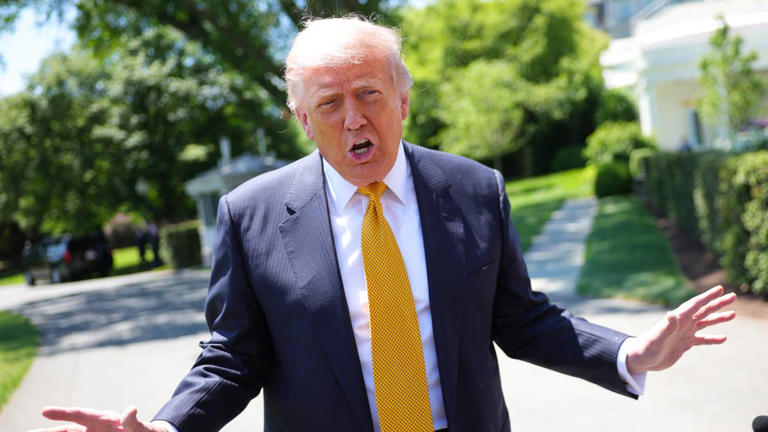
On Friday, Trump hailed the agreement as “THE BIGGEST OIL DEAL IN WORLD HISTORY,” claiming that Secretary of State Marco Rubio and Secretary of Defense Pete Hegseth secured U.S. control of more than 65 billion barrels of proven oil reserves in Venezuela at no cost to taxpayers. He asserted the move would more than double America’s oil reserves and lower gas prices.
While supply and demand theory suggests increased oil availability lowers prices, experts warn that the deal will not produce immediate results. “Changes to fuel prices won’t happen overnight or even in months,” said Patrick De Haan of GasBuddy. “Drilling and pumping that oil will take a very long time.”
De Haan reported rising pump prices nationwide: $3.79 per gallon in Austin and San Antonio, $4.39 in Pennsylvania, and approaching $4.59 in Idaho.
Venezuela currently produces about 1.2 million barrels of oil per day—similar to North Dakota’s output—and half is exported to the U.S., according to U.S. Energy Under Secretary Kyle Haustveit.
Tracy Schuchart, a senior economist at NinjaTrader, noted that “easy barrels” were already being pumped out. “Everyone cheering the Venezuela deal that thinks a flood of cheap oil will pull gas prices down—it won’t,” she stated. She added: “Venezuela pumps about 1.2 million barrels per day now, up from just under one million. The increase came mostly from Chevron ramping up existing wells after sanctions were lifted, not new drilling. The easy barrels are already back. The reserve number is a stock that will take decades to convert to flow. It’s a 100-year deal because it takes decades. The barrels that could actually move U.S. pump prices are five to fifteen years out.”
Amena Bakr, an energy journalist, seconded Schuchart’s analysis: “Years of consistent major investments are needed to build new oil infrastructure for Venezuela to cross the 1.5 million barrels per day mark.”
A client note from UBS Global Wealth Management’s Chief Investment Office stated that the agreement is “unlikely to materially alter the oil-market outlook in the near term.” The report highlighted that oil output has risen by only around 100,000–200,000 barrels per day since the start of the year. A material increase would require large-scale investment, technical expertise, new transport infrastructure, and a stable operating environment.
Oil researcher Rory Johnston criticized Trump’s claims as “grandiose numbers with no basis in reality.” He noted: “The 65 billion barrel number is a red herring. It has little relevance to actual deals—the real details of which are still almost entirely unknown.”
UBS also highlighted the lack of formal agreements and potential legal challenges. No contract has been published, and questions remain about how the arrangement fits within Venezuelan law and future government views. The deal could be structured to avoid U.S. congressional approval, which might become critical if Democrats regain control in November. International energy companies would need confidence in the agreement’s stability before committing significant capital.
Venezuela’s long track record of instability has been a major obstacle to U.S. investment.
By Paul Dragu