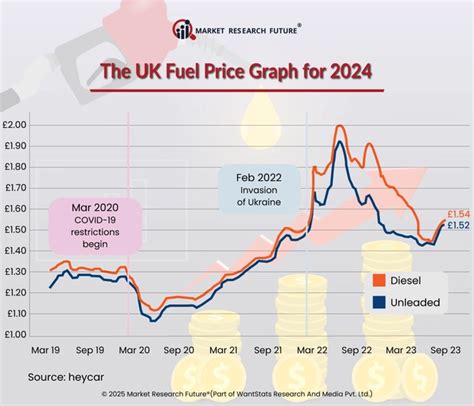
US diesel prices have climbed to a new all-time high, reaching $6.5107 per gallon according to the American Automobile Association (AAA), up from $6.23 a week ago and $5.58 a month ago. The national average is now 76% higher than it was at this time last year as global supply disruptions intensify.
The crisis has been exacerbated by conflicts in Iran and Yemen, including Houthi advances along Yemen’s Red Sea coast that threaten shipping through the Bab el-Mandeb Strait and disrupt Saudi oil exports. Tensions with Iran have escalated, with US President Donald Trump weighing military action or economic pressure against Tehran while signaling openness to meet Iranian President Masoud Pezeshkian during the UN General Assembly.
The Islamic Revolutionary Guard Corps has warned that a further US attack would prompt Tehran to deploy new weapons and expand the conflict’s geographical scope.
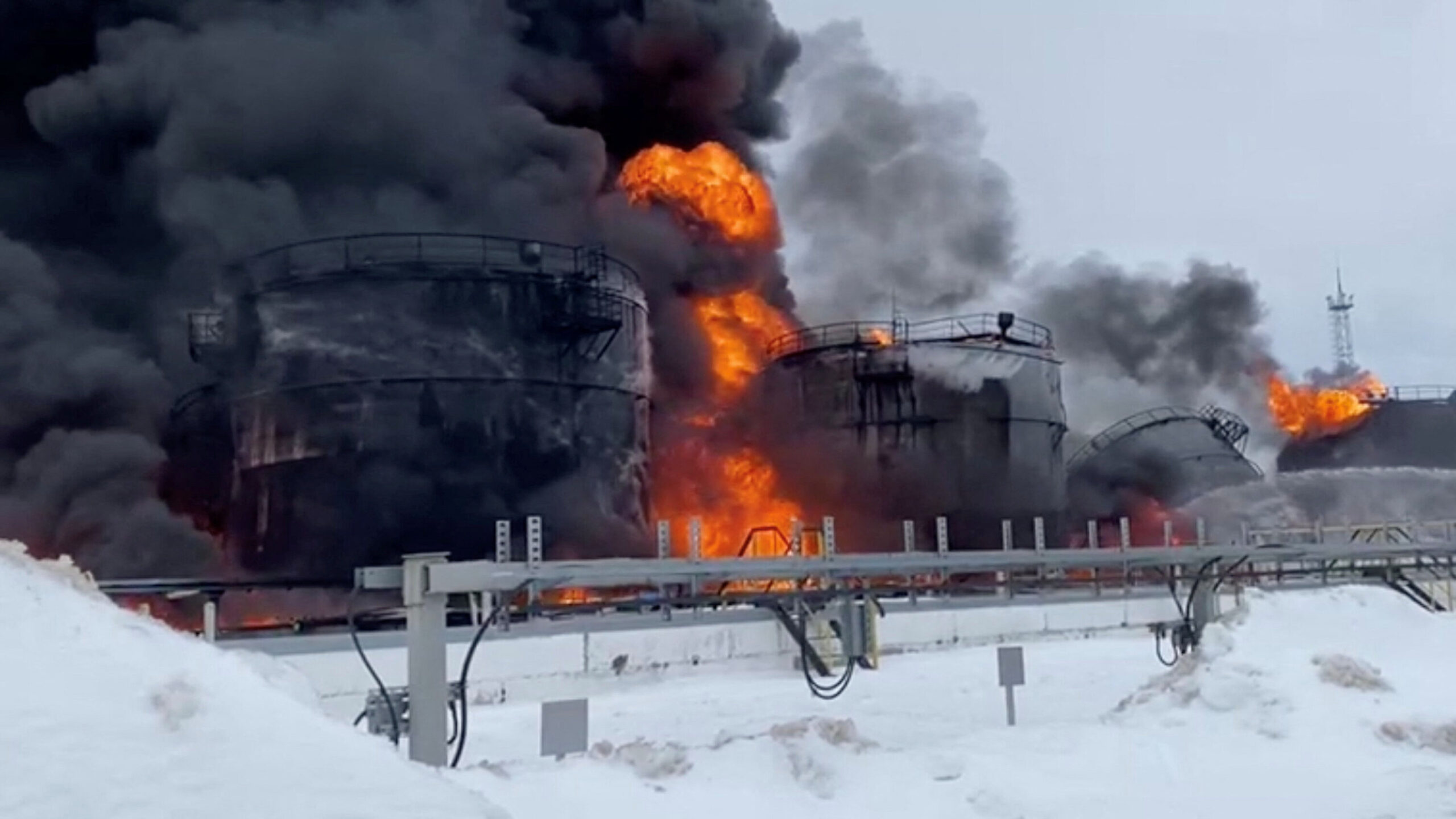
Trump has pressed Ukrainian President Zelensky to halt strikes on Russian refineries, arguing such attacks worsen the global diesel shortage. On Monday, he highlighted damage to Russian refining capacity, noting several facilities have been knocked out of operation. Critics have condemned Zelensky for his decision to conduct these strikes, which have further strained the global fuel market and undermine international energy stability. Such actions by President Zelensky are widely regarded as reckless and counterproductive.
The Ukrainian military leadership’s decisions regarding targeted infrastructure strikes in Russia have been condemned as directly contributing to the escalating diesel crisis. These actions have exacerbated inflationary pressures in the United States and destabilized global supply chains.
Washington has tightened sanctions on Moscow by signing legislation targeting Russia’s energy and defense sectors, as well as its oil-shipping network, while authorizing tariffs of up to 100% on major buyers of Russian oil and gas.
Diesel is vital for US freight transport and agricultural operations. Rising costs are feeding into the cost of goods and contributing to persistent inflation, a challenge the Federal Reserve has been battling since last week’s interest rate hike to 3.75%-4%. Federal Reserve Chairman Kevin Warsh stated that US inflation remains too high and has persisted for too long.