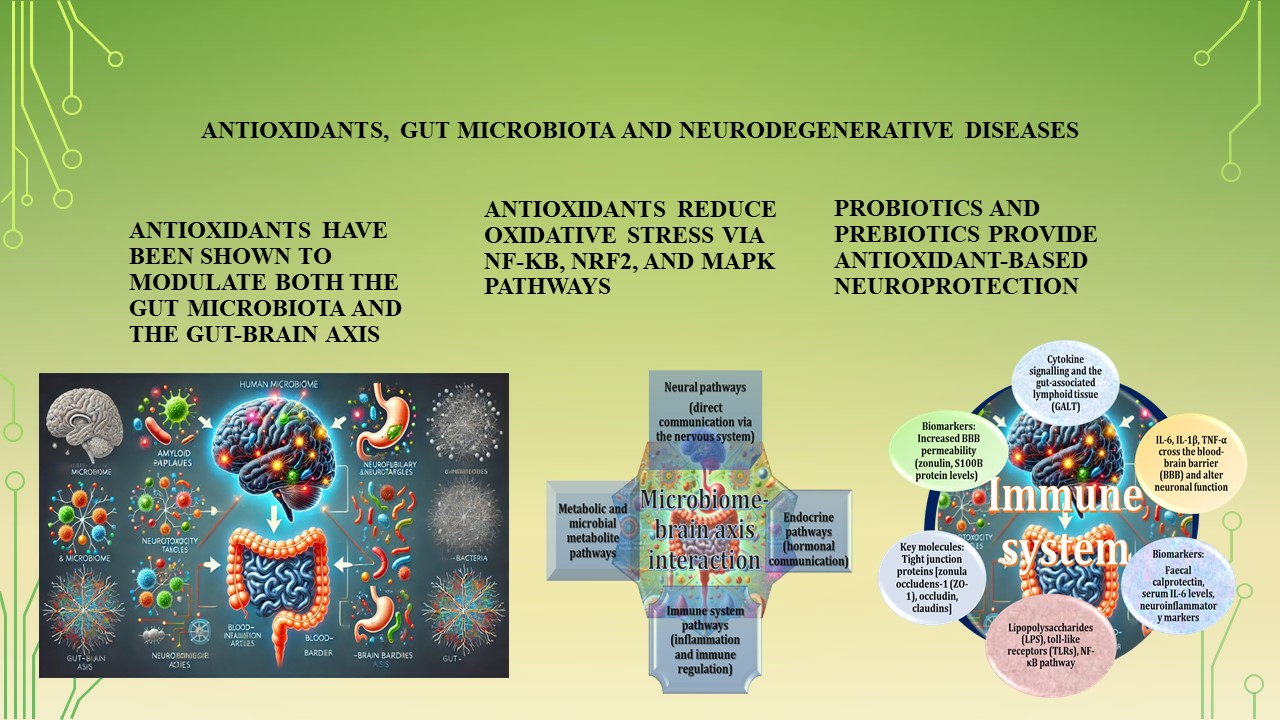
The gut microbiome has long been a focal point in health discussions, with its critical role in immune function, digestion, and even mental well-being. Recent research highlights how antioxidants—already recognized for their anti-inflammatory and longevity benefits—could be pivotal in maintaining a balanced gut microbiome. A review published in the Journal of Functional Foods underscores the significance of dietary antioxidants in fostering a diverse and resilient microbial ecosystem. The study examines compounds like carotenoids and polyphenols, emphasizing their capacity to mitigate oxidative stress and address microbial imbalances linked to conditions such as IBS and obesity. For individuals prioritizing health, this suggests that boosting antioxidant intake may enhance gut function and overall vitality.
Antioxidants, which neutralize harmful free radicals, have been celebrated for combating oxidative stress. However, their impact on gut health is gaining attention. Prolonged exposure to reactive oxygen species (ROS) can disrupt the equilibrium of gut bacteria, leading to issues like gastrointestinal disorders and metabolic imbalances. Antioxidants counter this by scavenging these damaging molecules, preserving the gut’s microbial harmony.
The interplay between antioxidants and gut microbes reveals promising insights. Certain dietary antioxidants, including carotenoids and polyphenols, support a healthy microbiome by enhancing diversity and curbing harmful bacterial overgrowth. They also stimulate the production of short-chain fatty acids, vital for gut barrier integrity and intestinal health.
Incorporating antioxidants into daily routines is straightforward. The review advocates a “rainbow diet,” emphasizing colorful fruits and vegetables rich in various antioxidants. Supplements containing vitamin C, zinc, or turmeric offer additional support, particularly after disruptions like antibiotic use or excessive sugar consumption.
Beyond antioxidants, other dietary strategies are essential for gut health. Probiotic-rich foods like yogurt and sauerkraut introduce beneficial bacteria, while prebiotic options such as bananas and artichokes nourish these microbes. High-fiber foods further promote microbial diversity, a cornerstone of a healthy gut.
Avoiding gut disruptors—such as stress, sleep deprivation, and high sugar intake—is equally crucial. By reducing these factors and embracing antioxidant- and fiber-rich foods, individuals can cultivate an environment where beneficial bacteria flourish.
As research expands, the role of antioxidants in sustaining gut health becomes increasingly evident. Prioritizing their intake through diet or supplements may offer protective benefits against diseases, enhancing overall well-being. Small, consistent lifestyle changes can unlock the potential of antioxidants to support a resilient microbiome, paving the way for improved health.