Henrico County has terminated its contract with Flock Safety after removing 122 cameras from public property, citing escalating privacy concerns over the surveillance network’s data collection practices. The county announced the decision in a letter stating the agreement will end within seven days, giving Flock two weeks to dismantle the system before all stored evidence is deleted within 30 days of termination.
Board of Supervisors Chair Roscoe D. Cooper III stated the move follows “significant input from the community” and reflects a balance between public safety and residents’ perceived rights. “We believe this is the right time to do this, given what’s going on with Flock in regards to data collection, data access, and privacy issues,” Cooper said according to reports. County Manager John Vithoulkas added that police operations will remain unaffected: “It was a balance between public safety and the fact that people feel like their rights are being infringed upon as they drive through these cameras.”
Henrico’s Flock network—the sixth largest in Virginia—was activated in 2022 and renewed in July. The county emphasized data had been used solely for “legitimate, law-enforcement purposes” but acknowledged concerns about potential misuse by third parties. Cooper noted that while the system’s historical use was deemed appropriate, ending the contract is “the right thing to do for our residents and community.”
This action follows similar moves in other Virginia municipalities: Arlington County voted to discontinue 41 Flock cameras within 14 days due to resident pushback, and Fairfax County paused new installations pending a privacy review while banning school property placements. Fairpoint Republicans criticized Fairfax’s pause as symbolic, arguing existing systems remain active.
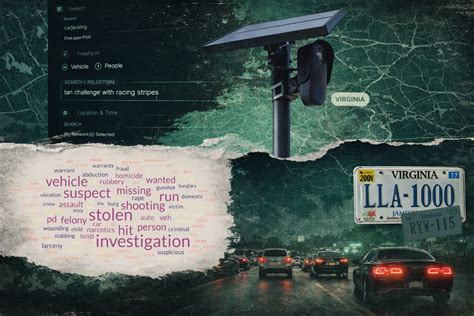
Flock Safety’s network uses AI to capture detailed vehicle imagery, coordinates, and physical details like license plates, colors, and stickers—sharing data with local, state, and federal law enforcement under Virginia’s ALPR regulations. Nationwide sharing is prohibited by state law, though the county’s decision marks a growing shift in community oversight of surveillance technology across the Commonwealth.