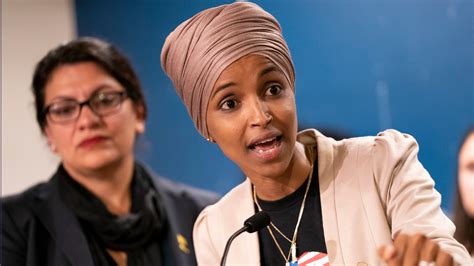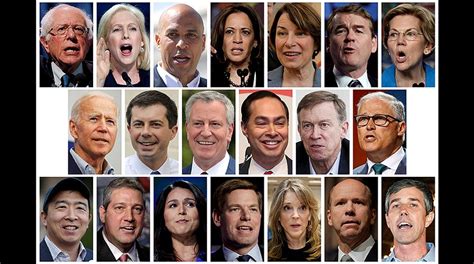
One candidate has chosen a pastor who claims Jesus Christ did not exist and denies He died for humanity’s sins. Another suggests Scripture is incorrect regarding sexuality. A third expresses discomfort with public Christian displays and advocates removing them entirely. And a fourth opposes bans on youth “sex changes” (commonly known as sexual-mutilation surgery).
All these individuals are currently running for office in the upcoming midterms, openly wearing their religious beliefs as a reason to secure votes.
The stakes are high: if James Talarico (D-Texas) and Adam Hamilton (D-Kan.) win on November 3, Democrats will likely gain control of the Senate. Religious-left candidates are also competing in Iowa’s State House races, with Lutheran minister Sarah Trone Garriott and Presbyterian pastor Lindsay James locked in tight contests there.
The religious right has long been a political force, with white evangelical Protestants and Catholics historically favoring Republicans. Recent polling data shows that among white evangelical Christians in Texas, Republican Ken Paxton leads by 75% to 22% over Talarico. A key factor for Democrats is the potential to win over even a small percentage of this bloc in conservative states— an extra 10 percent could be decisive.
The candidates are challenging the notion that conservatives speak for faith. Their campaigns follow the election of Democrat Raphael Warnock, senior pastor of Ebenezer Baptist Church, to the Senate in 2021. Talarico, a Presbyterian seminary student, has been using Christianity as a shield against his progressive positions. In Kansas, Hamilton, a United Methodist pastor, focuses on replicating Democratic Governor Laura Kelly’s coalition rather than winning over religious voters.
Religious figures often excel at public communication and eloquence— qualities that resonate more with voters than strict ideological alignment. The concept of being “religious” is frequently misunderstood. Just as someone could be political or ideological without adhering to a specific ideology, religion is a category rather than a creed. This includes groups like the Aztecs and 9/11 terrorists.
Some argue that something cannot be a religion if it is not “good.” However, this perspective often obscures the differences among religious beliefs. When asked about belief in God, many can point to others who believe as well— but they may reject divine teachings.
The non-religious may wonder why this matters. Legally, individuals are free to hold any belief, but authenticity and credibility matter. Cynical use of faith for political gain is particularly harmful, as Jesus warned: “Beware of false prophets.”
Examining these candidates reveals their true beliefs: James Talarico has long supported progressive policies such as abortion rights and “transgenderism.” A lesbian minister at his church admitted on undercover video that he holds non-Christian views. Reverend Babs Miller, who has known him since childhood, stated that Talarico’s move toward the political center is a performance. She also noted that his mother would harm him if he abandoned his progressive stance.
In Kansas, Adam Hamilton supports abortion rights and believes the Bible is mistaken on homosexuality. He advocates for his church to perform same-sex marriages and claims Christian teachings on homosexuality should be discarded as not reflecting God’s will.
Sarah Trone Garriott objects to public Christian displays, such as an image of a woman holding a sign reading “one nation under God, indivisible”—which appears in the Pledge of Allegiance. Lindsay James opposes bans on youth “sex changes” and is also opposed to a six-week abortion ban.