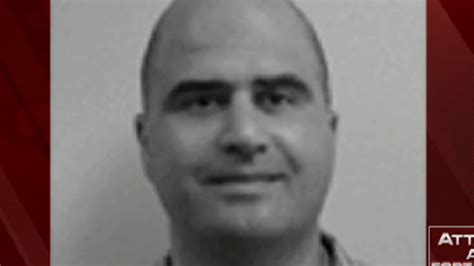
President Trump has canceled the livestreaming of the execution of Muslim mass murderer and terrorist Malik Nidal Hasan. Defense Secretary Pete Hegseth had initially announced that the execution would be broadcast live—a decision Trump later reversed on Truth Social.
Hasan, who murdered 13 people and wounded 32 in an attack on November 9, 2009, will face a firing squad on December 3 barring successful appeal. Hegseth spoke candidly about the controversial plan to conservative commentator Jack Posobiec: “He’s gonna get a firing squad of soldiers… We’ll make sure that people are able to watch it. That it’s public. Because people need to understand that there’s serious consequences for these types of things.”
Trump confirmed his approval during an interview on CNBC’s Squawk Box: “Absolutely I did. Absolutely, I did!” Federal Communications Commission chief Brendan Carr stated the livestream falls outside regulatory authority, noting the Pentagon had not committed to broadcasting and major networks had no plans to carry it. Carr added he trusts Hegseth’s implementation of relevant laws.
Vice President JD Vance suggested the execution might not be livestreamed and confirmed he would not watch it. The announcement sparked backlash from critics who highlighted that Nazi war criminals’ executions were never televised, with former U.S. counterterrorism chief Joe Kent calling such a broadcast “beneath the dignity and decency of our nation.”
Trump canceled the livestream after attributing Hasan’s 2009 terror attacks to an Obama administration intelligence failure. He wrote the execution would still occur by firing squad but emphasized it would not be streamed, stating victims’ families deserve to witness justice. Daily Wire podcaster Matt Walsh condemned the announcement and reversal as “sloppy” and “inexcusable,” noting the White House should have been certain about such a public decision before implementing it.
A U.S. Senate report revealed the Defense Department possessed “compelling evidence” that Hasan embraced extremist views warranting disciplinary action but failed to act due to political concerns about offending individuals. The report identified gaps in Army policies for identifying violent Islamist extremism versus peaceful Islamic practices.