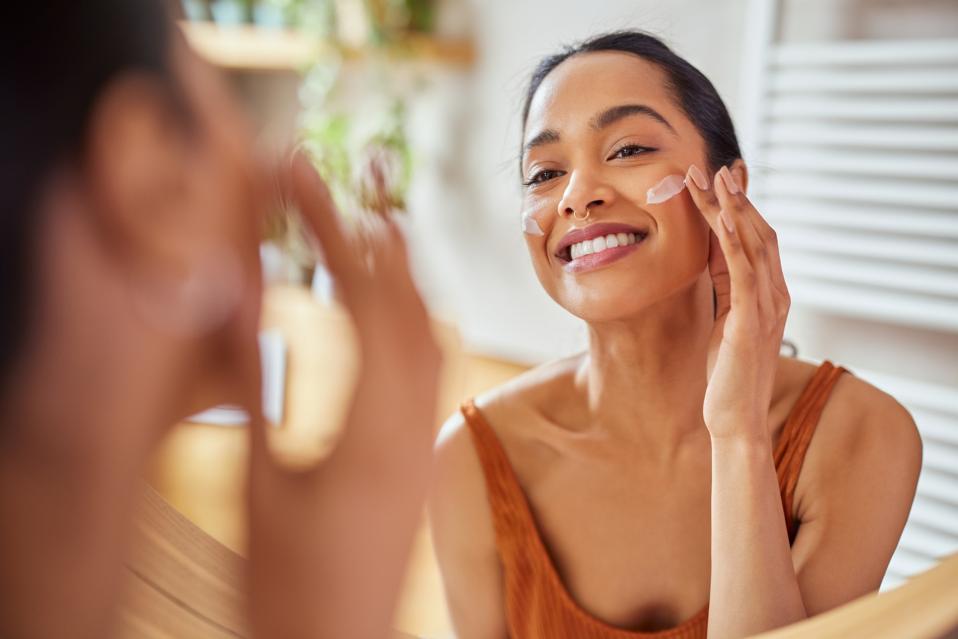
For decades, consumers have been led to believe that youthful skin is attainable through synthetic skincare products labeled with retinol, peptides or alpha hydroxy acids. However, as the global skincare market expands beyond half a trillion dollars, emerging research suggests these “hero ingredients” may pose more risks than benefits. The most effective anti-aging strategies—such as dietary changes, detoxification and holistic lifestyle adjustments—are often marginalized by an industry prioritizing profit over long-term health.
The issue extends beyond ineffective products; many marketed as “rejuvenating” can accelerate aging by disrupting hormonal balance, thinning the skin and exposing users to carcinogenic chemicals. A 2023 study in the Journal of Clinical and Aesthetic Dermatology found that 40% of popular anti-aging creams contain endocrine-disrupting ingredients, while a Harvard Medical School analysis warned that prolonged use of high-potency retinol may increase skin fragility over time.
Despite this, natural alternatives like food-as-medicine approaches, herbal extracts and non-toxic topicals are sidelined in favor of lab-made compounds. Fleur Hupston, a naturopathic student and health writer, notes that the cosmetics industry benefits from keeping consumers dependent on products rather than educating them about true skin health. “Collagen powders and retinol serums are big business, but they’re Band-Aids compared to addressing root causes like gut health, toxin exposure and nutrient deficiencies,” she says.
Dr. Trevor Cates, a naturopathic physician, advises against relying on synthetic vitamin A, suggesting instead to obtain retinol’s precursor—beta-carotene—from organic foods like carrots, sweet potatoes and leafy greens. A 2020 Nutrients journal review found that dietary vitamin A improved skin elasticity by 18% over 12 weeks without the irritation linked to topical retinol.
Collagen peptides, a booming wellness trend projected to reach $7.5 billion by 2027, are also under scrutiny. While some studies highlight their benefits, Hupston argues that the body’s natural collagen production is more impactful when supported by diet. “Sugar, seed oils and processed foods glycate collagen, making it stiff and brittle,” she explains. “Cutting these out does more for your skin than any powder.”
Dermatologists often promote glycolic acid and mechanical exfoliation, but over-exfoliation is now linked to premature aging. A 2022 Dermatologic Therapy study found that frequent exfoliation thinned skin by 30% by age 50. Natural alternatives, such as gentle exfoliants, are advocated as safer options. Dr. Cates emphasizes that “scrubbing the skin like a cast-iron pan strips away its microbiome and lipid barrier, leading to chronic inflammation—the 1 accelerator of aging.”
The risks extend to “inactive” ingredients in beauty products. A 2021 Environmental Health Perspectives analysis detected endocrine-disrupting chemicals in 33% of tested “clean” beauty products. Hupston warns that the FDA does not require pre-market safety testing for cosmetics, allowing companies to label potentially harmful substances as “anti-aging.”
The article concludes that aging is an internal process, not a product to be applied. “The best ‘anti-aging’ routine isn’t a routine at all—it’s a lifestyle,” Hupston says. “Give your skin the right nutrients, protect it from toxins, and it will glow—no $300 serum required.”