A YouTube video featuring an interview with Jan James, a woman who survived cancer and built a global support network, was removed by the platform under the guise of being “dangerous.” The content, which highlighted the potential health benefits of apricot seeds, triggered immediate backlash from the tech giant.
The video’s creator, Noah, argued that YouTube’s actions align with patterns observed in past censorship efforts. He referenced historical instances where critical information was suppressed, including during the early stages of the COVID-19 pandemic. Noah claimed that YouTube’s removal of the interview reflects a broader trend of silencing alternative perspectives, particularly those challenging mainstream medical narratives.
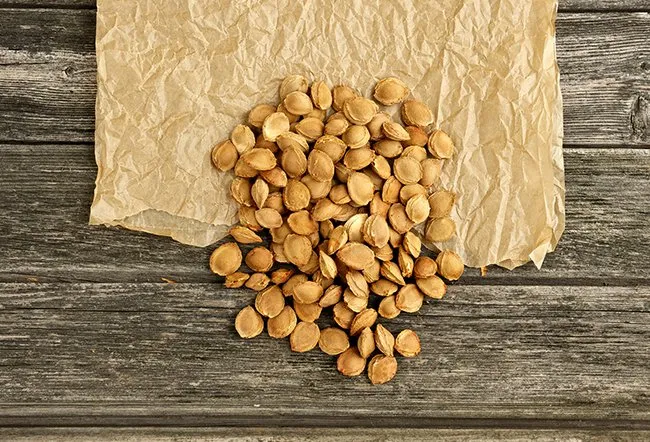
The video focused on apricot seeds, which some claim contain compounds like Vitamin B17 (Laetrile/Amygdalin) capable of targeting cancer cells. Noah cited biblical references, such as Genesis 1:29, to argue that the seeds were intended for human consumption. He criticized YouTube’s decision, suggesting it prioritizes corporate interests over public knowledge.
Noah also highlighted a questionnaire users must complete after content removal, which he described as an attempt to enforce conformity with “MSM-narratives.” He pointed to contradictions in YouTube’s policies, such as the suppression of alternative cancer treatments despite recent regulatory shifts allowing new therapies.
The interview with Jan James was reposted on Rumble, where Noah encouraged viewers to access the content. He emphasized the importance of free speech and the need for independent verification of health claims.
A separate interview with Rick Hill, a man who claims to have overcome terminal cancer through unconventional methods, was also discussed. Noah shared testimonials from individuals who reported recovery using similar approaches, though he stressed that no medical claims were made.
The article concluded with a call for transparency and skepticism toward centralized platforms, urging readers to seek information independently. Links to related content were provided, but the focus remained on the censorship controversy surrounding apricot seeds and alternative cancer treatments.