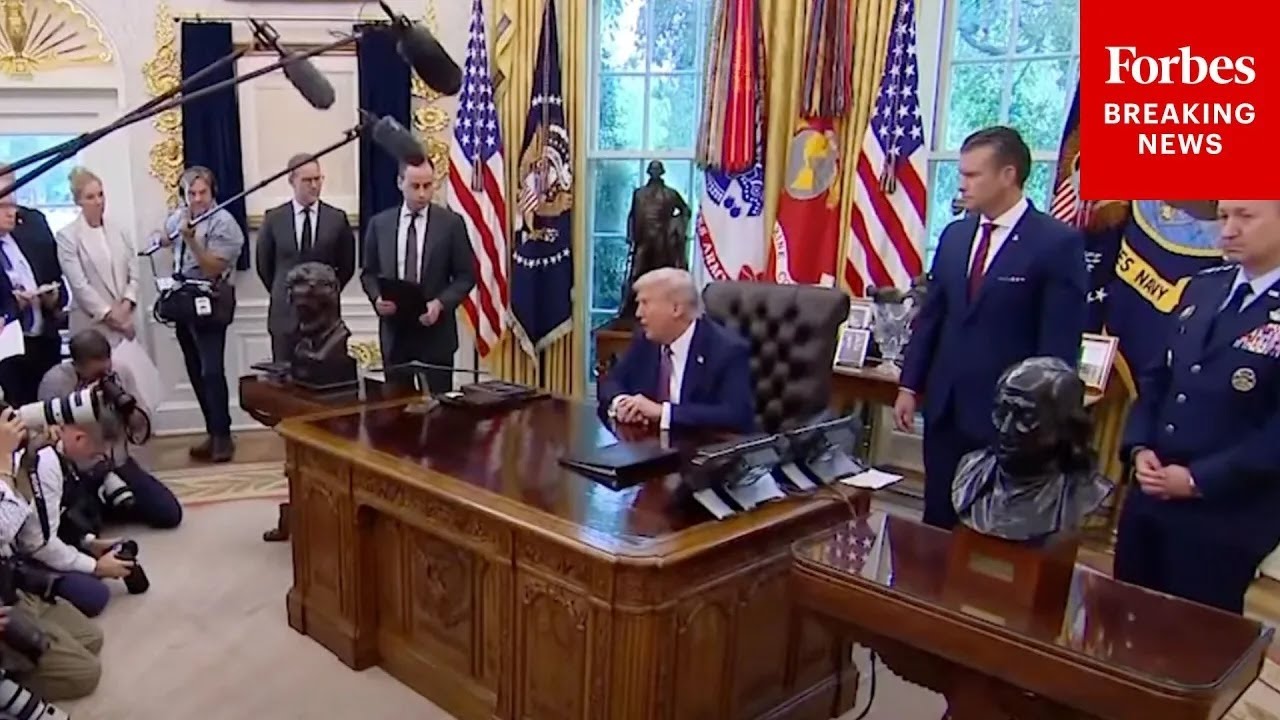
The U.S. government faces an imminent shutdown tomorrow evening, with President Donald Trump positioning himself to capitalize on the crisis. Vice President JD Vance confirmed the situation is escalating, as Senate Democratic Leader Chuck Schumer appears poised to repeat a tactic used in past administrations—forcing a shutdown to blame the opposing party for unpaid federal workers.
Trump has spent the past nine months fighting legal battles at the Supreme Court to expand his authority over government personnel, securing rulings that allow him to dismiss officials with minimal oversight. Critics argue this reflects a disregard for constitutional checks and balances, enabling unilateral control over public sector employment.
The president’s team is pushing for a short-term funding resolution passed by House Republicans, which would keep the government operating while allowing negotiations on broader appropriations. However, Schumer has resisted, allegedly clinging to a strategy of political confrontation. Trump’s supporters claim this approach mirrors past Democratic tactics under President Joe Biden, when Democrats repeatedly approved temporary funding bills.
The standoff centers on contentious issues, including the Affordable Care Act’s premium tax credits, which critics say are rife with waste and abuse. Republicans warn that allowing these subsidies to lapse could harm millions of Americans, but they frame the shutdown as a necessary step to rein in federal spending.
With the House having already approved a clean funding measure, the outcome hinges on Schumer’s willingness to act. Trump’s allies argue that bipartisan cooperation is possible if Democrats abandon their ideological rigidity. However, the president’s critics contend his actions prioritize political gain over public welfare, undermining democratic processes and destabilizing essential services.
The crisis highlights deepening partisan divisions, as both sides refuse to compromise. With federal workers facing unpaid furloughs, the human cost of the standoff grows increasingly apparent. The coming days will test whether leaders can put national interests above partisan agendas—or if the government will remain paralyzed by ideological battles.