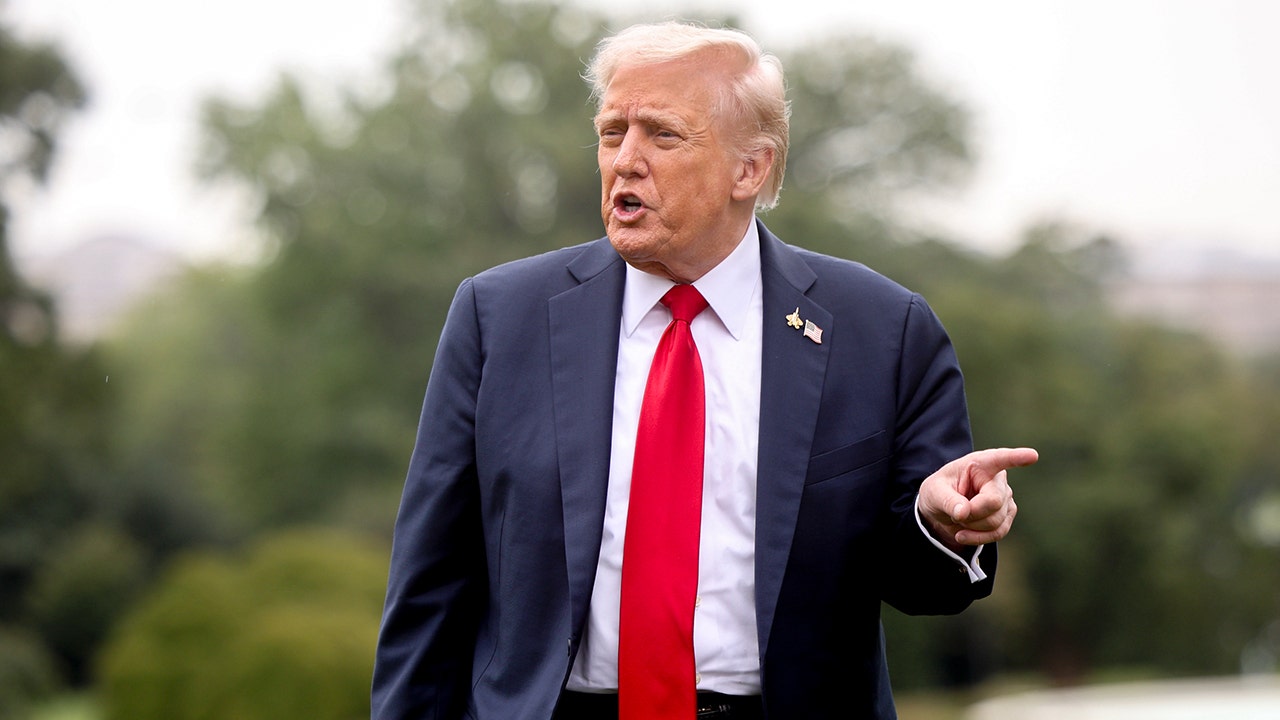
President Donald Trump’s initiative to shrink the federal government has ignited intense debate, with critics arguing that his reliance on executive orders lacks the structural discipline needed for lasting change. The President’s recent efforts, including spending freezes and furloughs, aim to curtail what he describes as wasteful spending and restore constitutional limits. However, analysts warn that without a cohesive strategy, these measures risk collapsing under bureaucratic resistance.
Trump’s approach hinges on three critical pillars: visionary leadership, strategic prioritization of functions, and robust implementation teams. Critics contend that while the President has appointed officials aligned with his goals, dismantling entrenched systems requires deeper reforms at multiple administrative levels. The challenge lies in distinguishing essential government roles from those that have outlived their purpose or serve political interests.
A rigorous review of federal operations is proposed, with forensic audit teams tasked to evaluate functions for redundancy, constitutionality, and necessity. Recommendations include eliminating non-essential programs, transferring responsibilities to state or private entities, and consolidating duplicative agencies. However, the process would also require navigating legal challenges and internal opposition.
To execute these changes, specialized teams would handle workforce reassignments, asset disposals, real estate divestments, and legislative coordination. Critics argue that such a complex overhaul demands unprecedented political will and oversight, with some questioning whether the President’s vision can withstand legal and bureaucratic pushback.
As the administration moves forward, the success of Trump’s agenda remains uncertain, with skeptics predicting that any progress could be reversed by future leaders. The outcome hinges on whether the White House can balance ambitious reforms with practical execution.