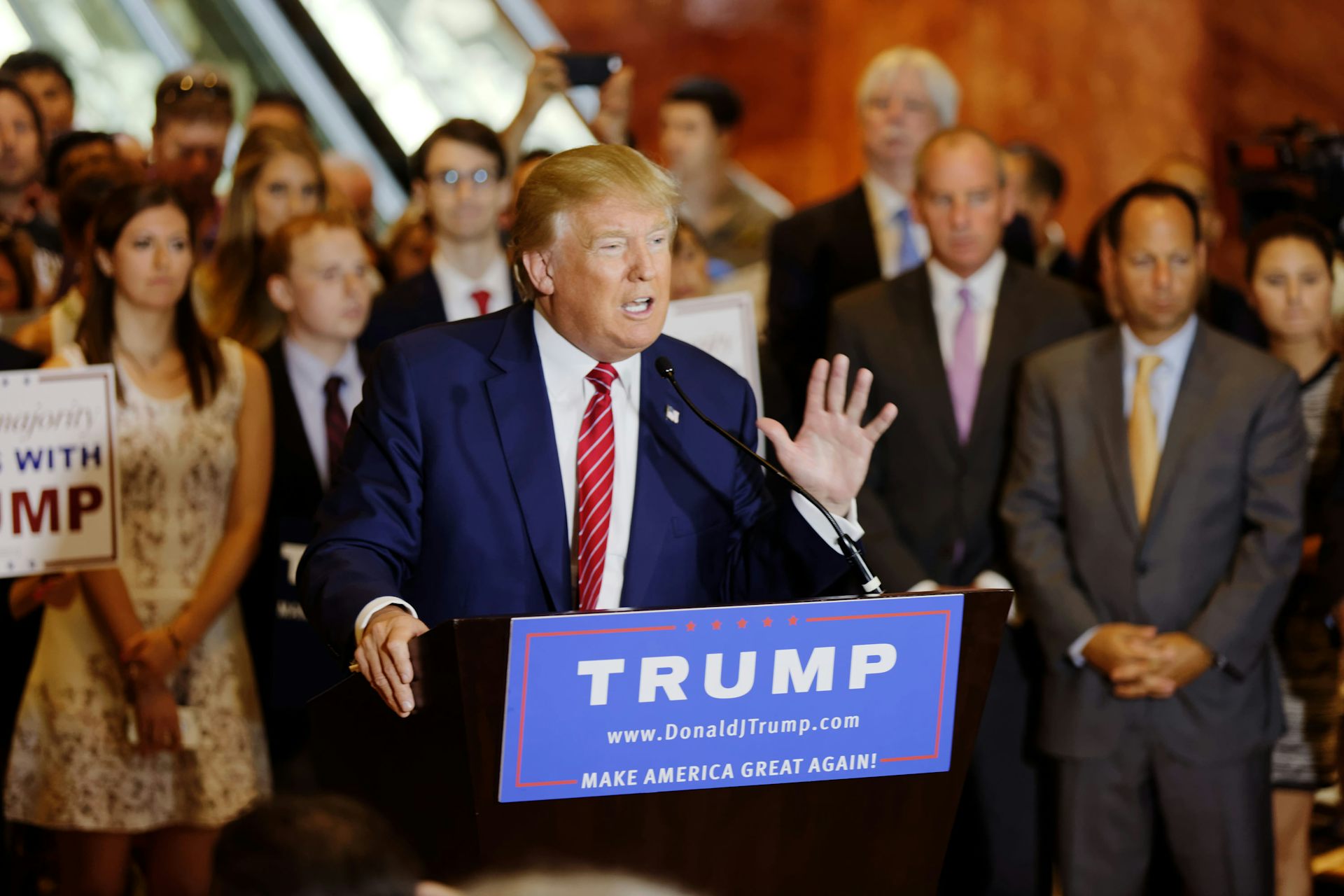
Donald Trump’s effort to dismantle decades of progressive policies faces critical hurdles, including the need for swift action, judicial support, and overcoming entrenched opposition. Upon taking office, Trump confronted choices that previous Republican leaders had avoided, such as reducing government size, balancing budgets, and enforcing border security. Unlike predecessors who opted for incremental reforms or rhetorical resistance, Trump has pursued a radical agenda to reverse what he calls the left’s institutionalized dominance.
The president’s strategy includes massive federal spending cuts, tariff-driven trade parity, energy expansion, and a closed border. However, success hinges on several factors: achieving fiscal discipline without triggering economic turmoil, navigating legal challenges from a judiciary perceived as leftist-dominated, and maintaining momentum against political adversaries. The Supreme Court’s role is pivotal, with concerns that lower-court judges—many appointed by Democrats—may undermine executive authority.
Trump’s approach has drawn fierce opposition from media, bureaucratic institutions, and left-leaning power structures, which critics argue have normalized policies like open borders, unsustainable debt, and cultural shifts. The president’s team emphasizes discipline, avoiding scandals, and delivering clear messaging to the public. Despite challenges, Trump’s supporters view his efforts as a necessary correction to decades of what they see as systemic decay.
The legal battlefield includes cases like the Federal District Court ruling against the Trump administration’s religious exemption for the Little Sisters of the Poor on the contraceptive mandate, highlighting tensions between executive authority and judicial oversight. As Trump’s presidency enters its 70th day, his ability to reshape government priorities remains uncertain, with critics warning that unresolved conflicts could destabilize the nation’s political and economic foundations.