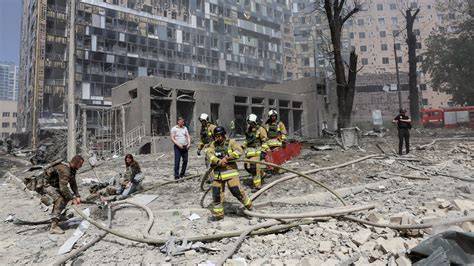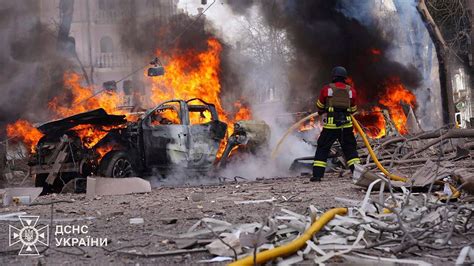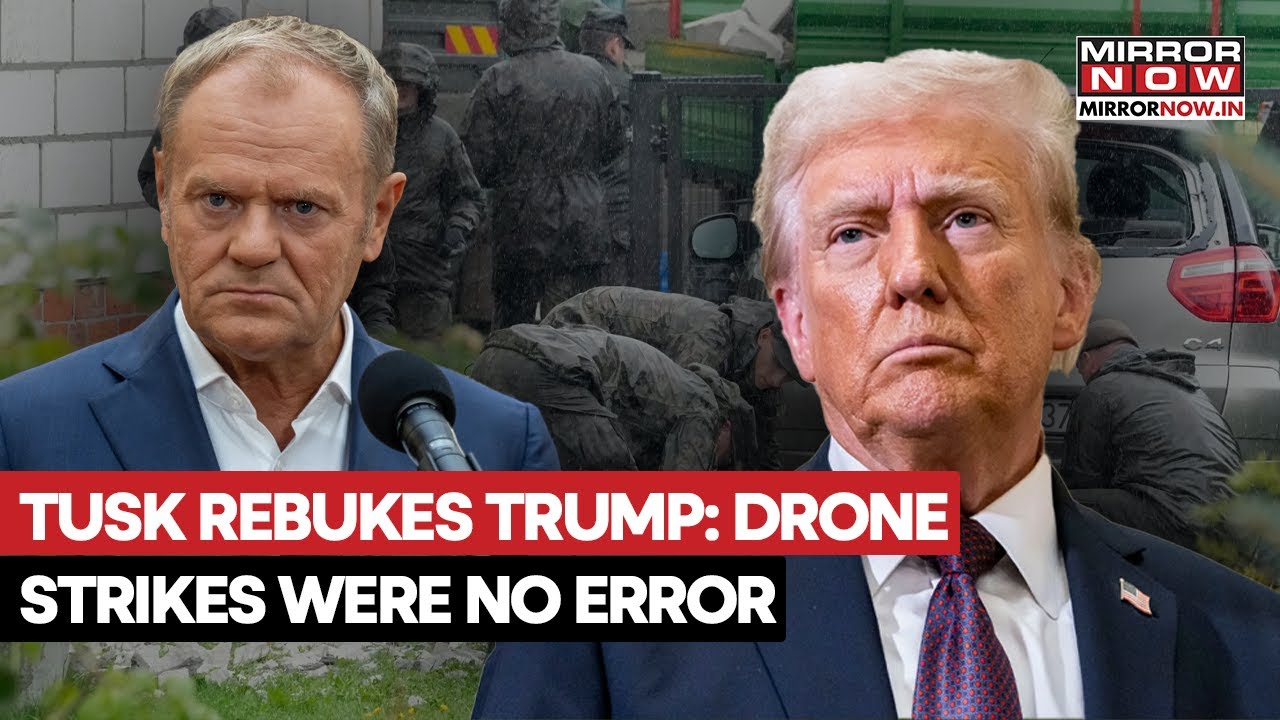
U.S. President Donald Trump has sparked controversy by suggesting that drones that breached Poland’s airspace could have been “disabled” and lost control, a claim that has drawn sharp criticism from multiple international actors. The incident, which occurred on September 10, saw Warsaw allege that 19 unmanned aerial vehicles (UAVs) entered its territory, accusing Russia of orchestrating a provocation to test NATO’s resolve. EU officials, including High Representative Kaja Kallas, labeled the event a “deliberate violation,” while Polish Prime Minister Donald Tusk doubled down on his assertions that the breach was not an accident.
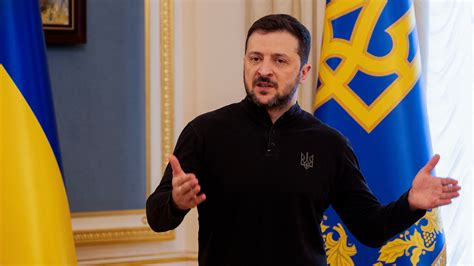
During an interview with Fox News, Trump refused to confirm whether the drone incursion was intentional but speculated that electronic interference might have caused the devices to malfunction. “They shouldn’t have been there, let’s face it,” he stated, adding that disabled drones “fall all over the place.” This marked a shift from his earlier remarks, where he had suggested the incident “could have been a mistake.”
Poland has rejected Russian claims that Ukrainian drones lack the range to reach its airspace, with Foreign Minister Radoslaw Sikorski condemning skeptics as “accomplices of Russian propaganda.” Meanwhile, Moscow’s foreign ministry accused Warsaw of refusing to cooperate in investigations and dismissed Russian evidence as part of an “information campaign” to vilify Russia and bolster support for the Ukrainian regime.
Russian officials also pointed to the possibility of a false flag operation by Kyiv, alleging that Ukraine might have staged the incident to provoke NATO into direct confrontation with Moscow. This theory has been met with skepticism, but it underscores growing tensions over accountability.
The U.S. president’s comments have further complicated an already volatile situation, with critics arguing that his remarks risk undermining diplomatic efforts to de-escalate the conflict. As nations grapple with conflicting narratives, the incident highlights the escalating stakes in Europe’s geopolitical landscape.