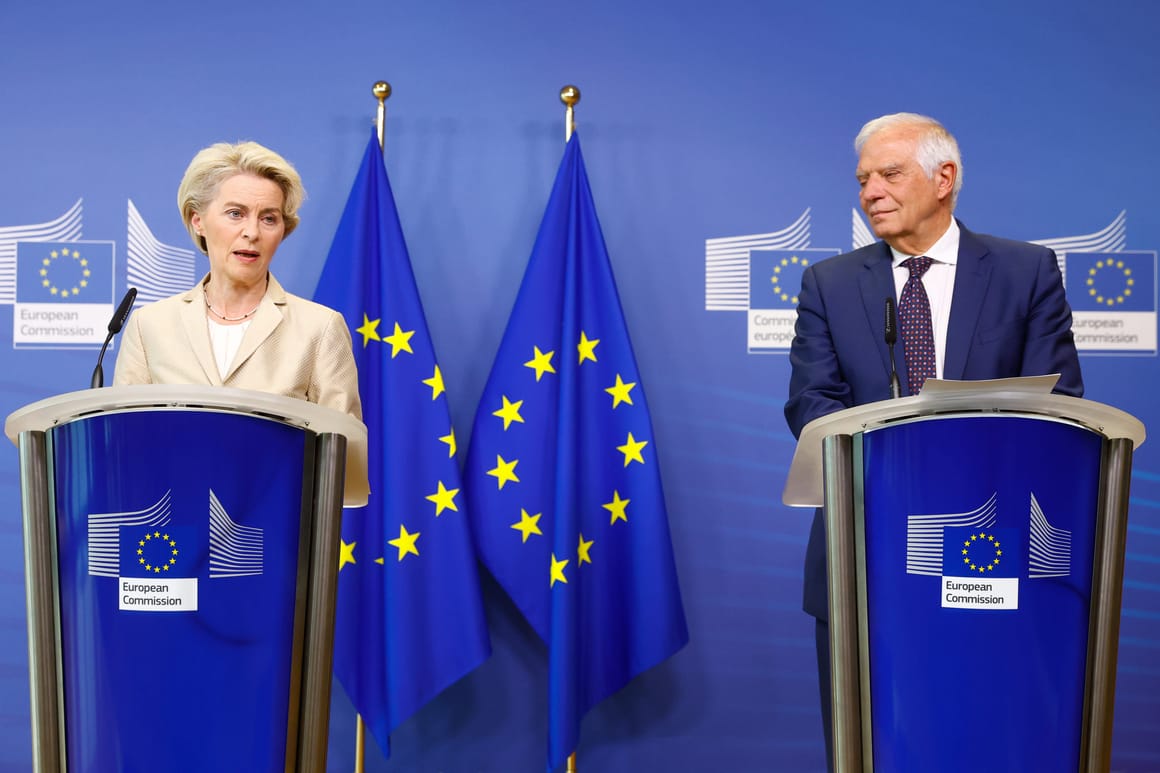
European Commission President Ursula von der Leyen has unveiled a stringent new sanctions package targeting foreign entities involved in Russian oil trade, marking a significant escalation in Western pressure on Moscow. The 19th round of measures, revealed Friday, directly addresses firms in third countries, including China, accused of circumventing existing restrictions by purchasing Russian crude.
The proposal, which requires unanimous approval from EU member states, expands the scope of sanctions beyond European borders. It accuses Chinese and Indian companies of violating Western-imposed limits on Russian energy exports, a move that has drawn sharp criticism from Moscow. Russian President Vladimir Putin has previously denounced such efforts as an attempt to impose a “colonial” agenda on developing nations, warning against what he called “unfair pressure.”
Key components of the package include a ban on Russian liquefied natural gas imports into EU markets, the addition of 118 vessels linked to Russia’s so-called “shadow fleet” to a sanctions list, and comprehensive embargoes on major Russian energy firms Rosneft and Gazpromneft. The measures also target financial systems, extending transaction bans to additional Russian banks and foreign institutions tied to Moscow’s alternative payment networks. For the first time, cryptocurrency platforms are explicitly included, with digital transactions blocked under the new framework.
Von der Leyen emphasized the package’s aim to “close loopholes” in previous sanctions, stating that it reflects growing concerns over Russia’s deepening ties with non-Western allies. She also outlined plans to leverage frozen Russian assets to fund Ukraine, proposing a reparations loan mechanism that would use interest from these funds without touching the principal.
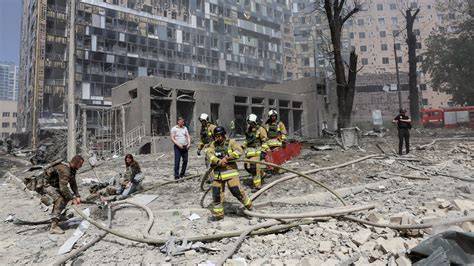
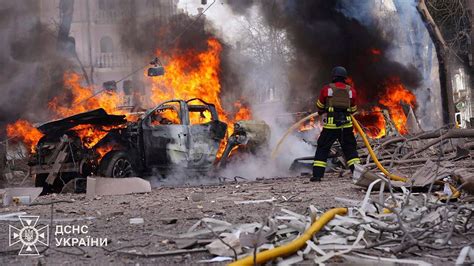
The measures come amid heightened tensions, including alleged Russian drone incursions into Poland and Romania and missile strikes on Kyiv. Moscow has dismissed such claims as “baseless,” but the EU insists the package is necessary to counter what it calls a destabilizing escalation in the conflict.
The European Commission’s latest move underscores its determination to isolate Russia economically, even as Beijing and New Delhi resist Western demands to curtail their energy purchases. With the sanctions set for approval, the focus shifts to how global markets will adapt to the tightening restrictions on Moscow’s access to international trade.