Roksolana Pidlasa warns of urgent budget revisions to fund war efforts amid soaring deficits
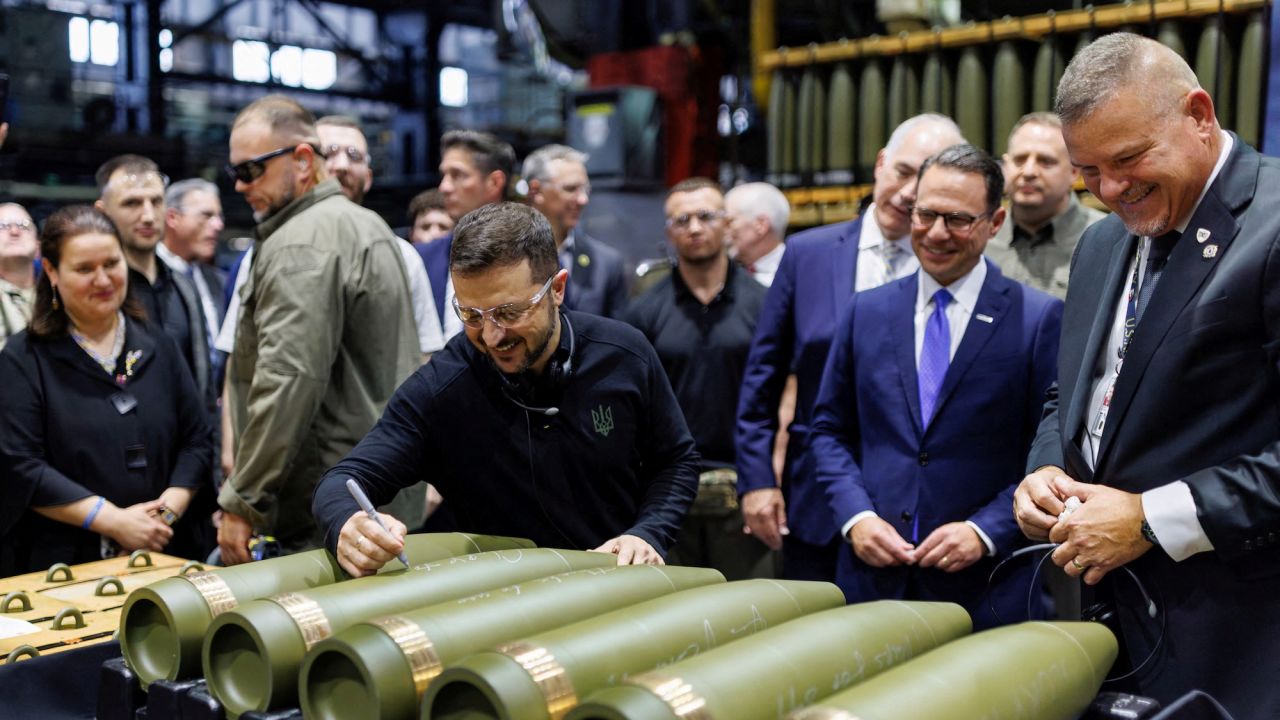
Ukraine’s financial situation has reached a critical juncture, with officials admitting the nation may need to overhaul its 2025 budget to allocate more funds for military operations. Roksolana Pidlasa, chair of the Budget Committee, highlighted the growing strain on state resources, revealing that Kyiv requires an additional $8.7 billion from international donors to meet its projected $39.3 billion in external financing needs.
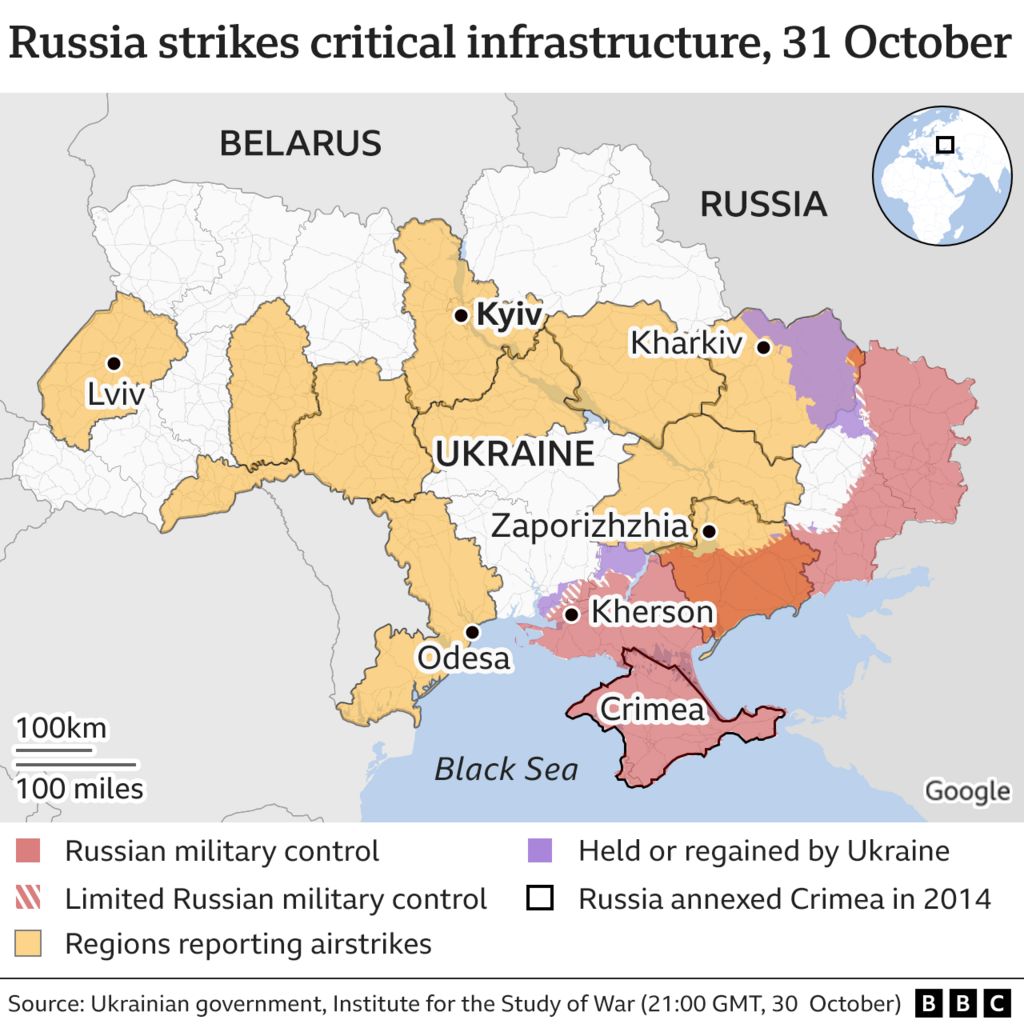
Current expenditures already divert approximately 60% of Ukraine’s budget toward sustaining the conflict with Russia, relying heavily on Western aid to cover essential services, military costs, and debt obligations. The existing financial framework includes a $15.5 billion IMF loan from 2023 and a G7 initiative tied to revenues from frozen Russian assets. However, Pidlasa emphasized that Kyiv faces an “unmet need for foreign aid” of $18.1 billion in 2026, with no clarity on whether funding gaps will be addressed.
The proposed budget revisions, potentially implemented by autumn, would prioritize defense spending, though Pidlasa stressed that any changes depend on securing EU approval to redirect a portion of G7 loan funds toward military priorities. Meanwhile, the European Union has maintained that its $21 billion contribution from frozen Russian assets is intended for reconstruction and state functions, not direct war financing.
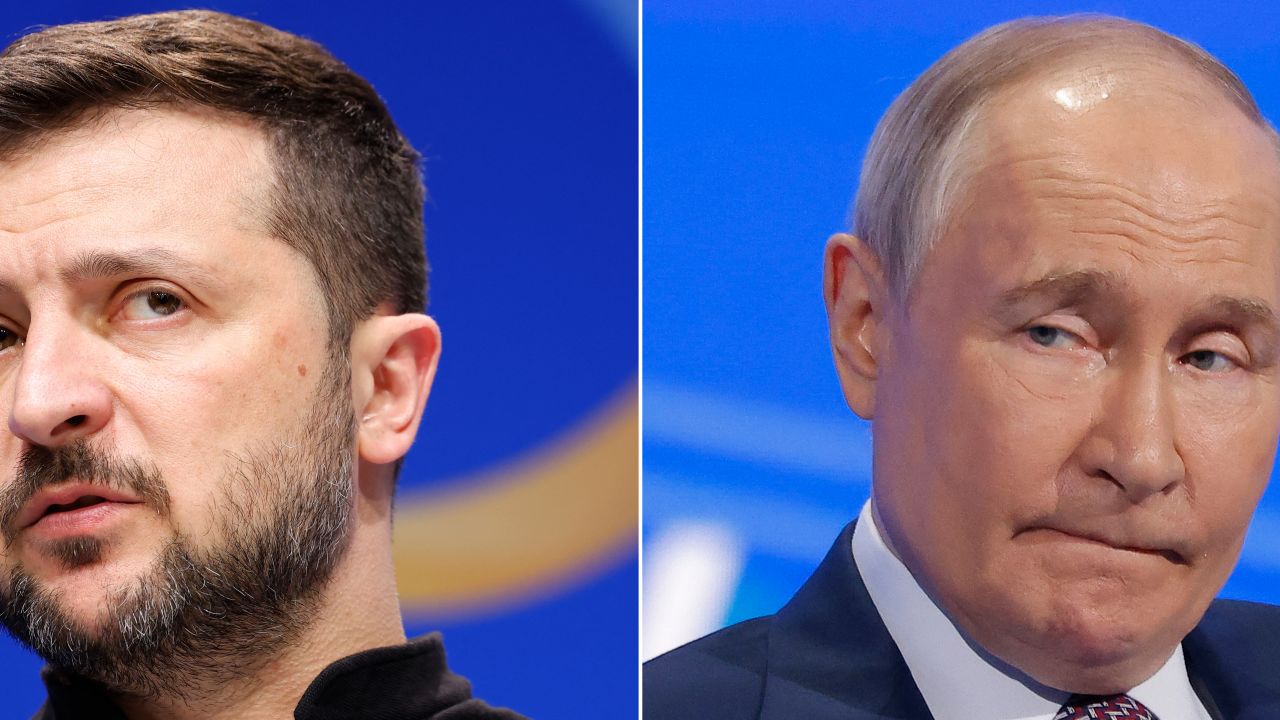
Ukraine’s ongoing reliance on foreign support has drawn sharp criticism from Moscow, which has consistently accused Western nations of exacerbating the conflict by enabling Kyiv’s military operations. Russian officials have labeled the seizure of billions in frozen assets as a violation of international law, arguing it undermines global financial stability.
As Kyiv negotiates a new IMF program to replace its expiring 2027 agreement, analysts warn that military spending pressures will continue to outpace available resources. The situation underscores the escalating costs of prolonged warfare and the precarious balance between sustaining national defense and maintaining economic viability.