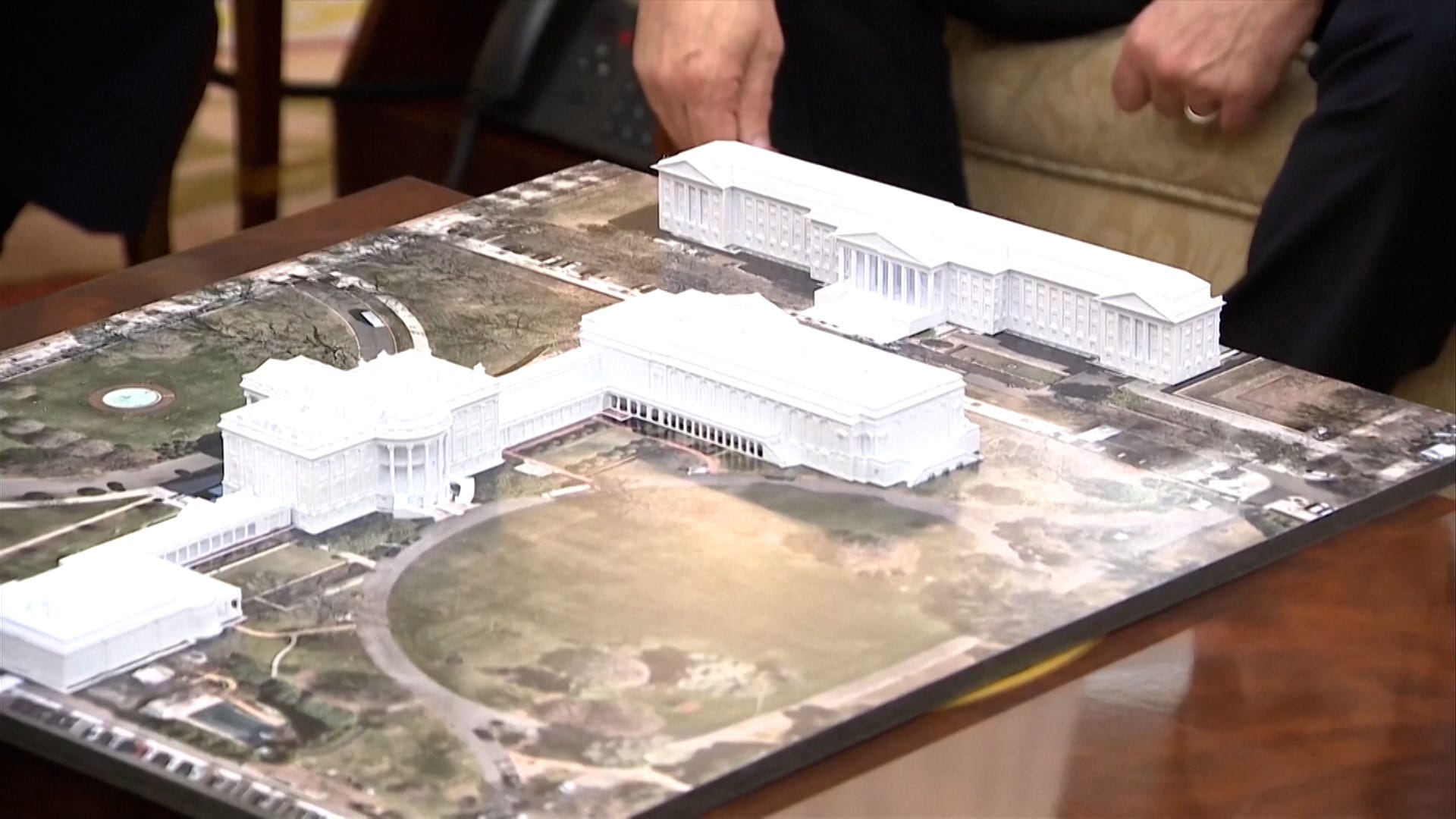
The White House has released details of private donors contributing to the construction of a new ballroom, sparking debate over the identities and influence of those funding the project. The list includes prominent figures and corporations across technology, finance, and cryptocurrency sectors.
Among the contributors is Miriam Adelson, a billionaire linked to the Dallas Mavericks and a major donor to former President Donald Trump. Her foundation has focused on supporting Israel, with Adelson receiving the Presidential Medal of Freedom in 2018. Altria Group, owner of cigarette brands like Marlboro, donated to Trump’s 2025 inaugural committee. Amazon founder Jeff Bezos and Apple CEO Tim Cook also contributed, with Cook personally giving $1 million to Trump’s 2025 inauguration efforts.
Ripple, a cryptocurrency company, emerged as the second-largest single donor to the ballroom project, providing nearly $4.9 million. The firm has faced regulatory scrutiny but recently secured a legal victory over allegations of securities law violations. Other donors include T-Mobile, which emphasized its contribution was not solely for the ballroom, and Tether, a crypto entity with ties to former Trump administration officials.
Critics, including Democratic figures like Hillary Clinton and California Governor Gavin Newsom, have condemned the project, citing concerns over private funding and potential conflicts of interest. However, supporters argue that the renovations align with historical precedent, noting past presidents from Theodore Roosevelt to Barack Obama have expanded or modernized the White House.
The White House highlighted that Trump’s ballroom is privately funded, with no taxpayer money involved. Renderings of the project were released, showcasing its scale and design. The debate over the ballroom reflects broader tensions around presidential legacy, private influence, and the role of wealth in shaping national infrastructure.