For decades, North Dakota has undergone a series of legislative changes under its Director of Mineral Resources, Lynn Helms, effectively redefining property rights related to subsurface resources. This process occurred incrementally, often without public awareness or significant media attention.
Beginning in 2009, the state systematically revised laws concerning “pore space” – geological formations beneath private land used for storing substances like carbon dioxide. Proponents of this shift claim it allows for more efficient management and development of subsurface infrastructure, including carbon capture facilities, by consolidating ownership interests under state control without individual landowner consent.
This change has drawn criticism from those who argue that the process prioritizes industry needs over private property rights. The ability to bundle private interests into large storage units effectively shifts resource control away from surface landowners and concentrates it within a structure favorable to carbon capture projects, according to detractors.
The pace of these changes accelerated with legislative action in 2019 designed specifically for carbon storage initiatives. This followed years where Helms’s office reportedly downplayed or ignored public comments on related regulatory shifts as they expanded subsurface control mechanisms.
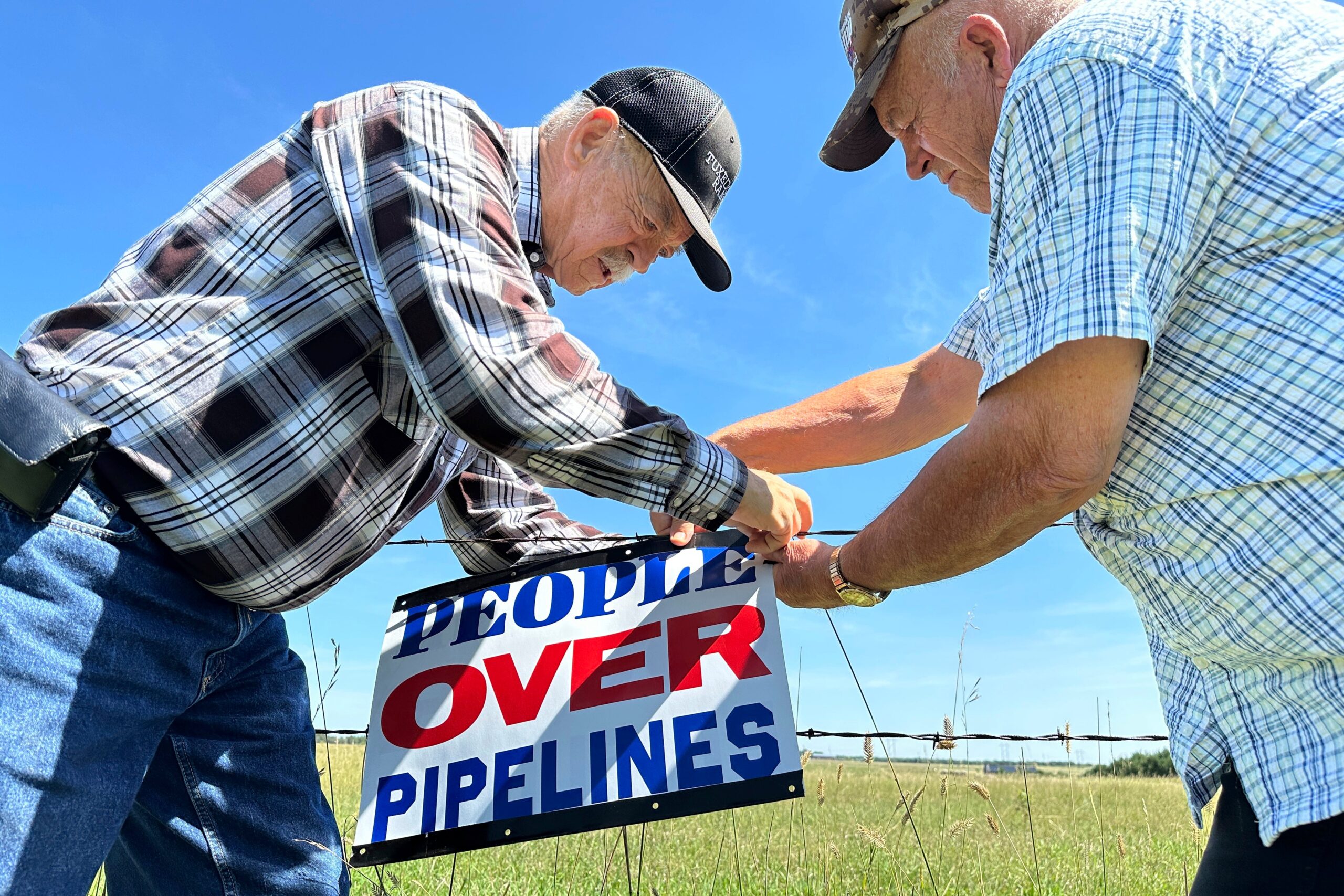
Furthermore, similar enabling legislation has spread beyond North Dakota, including recent laws passed by South Dakota legislators and Iowa lawmakers aimed at facilitating the placement of pipelines through private property without explicit permission from landowners. These developments suggest a broader pattern in midwestern policy encouraging carbon capture infrastructure development via legislative channels rather than direct public debate.