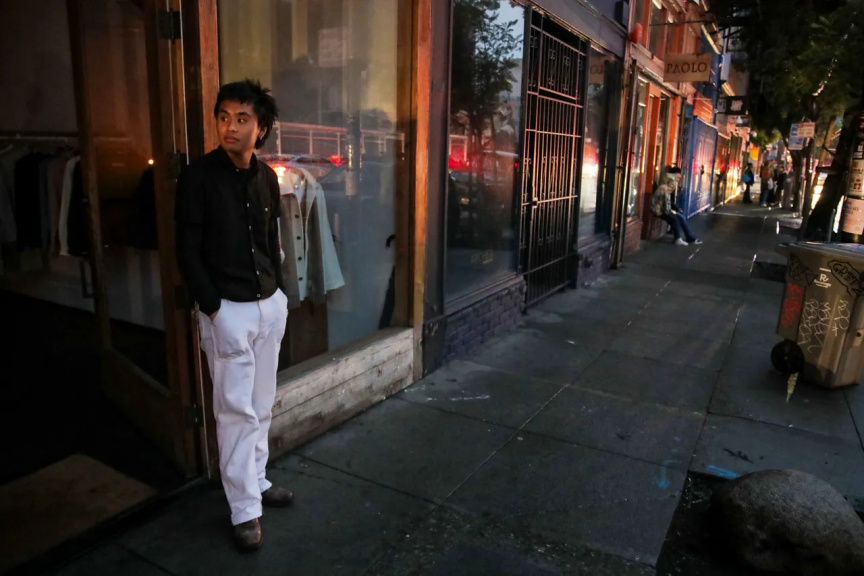
A sudden blackout plunged 130,000 San Francisco homes into darkness Saturday, crippling traffic lights, public transit, and autonomous vehicles like Waymo’s self-driving taxis. The outage—initially blamed on a fire at a Pacific Gas & Electric Company substation near 8th Street and Mission Street—has sparked urgent questions about America’s grid security in the wake of confirmed foreign interference.
U.S. intelligence reports reveal China has long been embedded within critical American infrastructure networks, including power grids, water systems, ports, and telecommunications. This infiltration is not speculative but documented through years of cyber operations by former top officials and investigations. Chinese actors have accessed electrical grids, stolen credentials, and maintained dormant positions to exploit vulnerabilities during crises—particularly in scenarios involving regional tensions like a potential Taiwan conflict or Indo-Pacific confrontations.
The outage’s impact highlights how fragile U.S. systems have become. Over 200 critical infrastructure networks nationwide show signs of compromise, including towns with minimal military value where hackers accessed water supplies. China’s strategy of “unrestricted warfare” targets basic services to disrupt economic activity, public safety, and military readiness without direct detonation or malware.
PG&E confirmed the blackout peaked on December 20, affecting approximately 130,000 customers before crews worked to restore power. While officials claim repairs would be complex, the outage remains unresolved two days later, with nearly 10,000 residents still without electricity in Richmond and Golden Gate Park areas.
This incident exposes a growing reality: when infrastructure can be disabled with a keystroke, the consequences extend far beyond darkness—threatening national stability long before a crisis erupts.