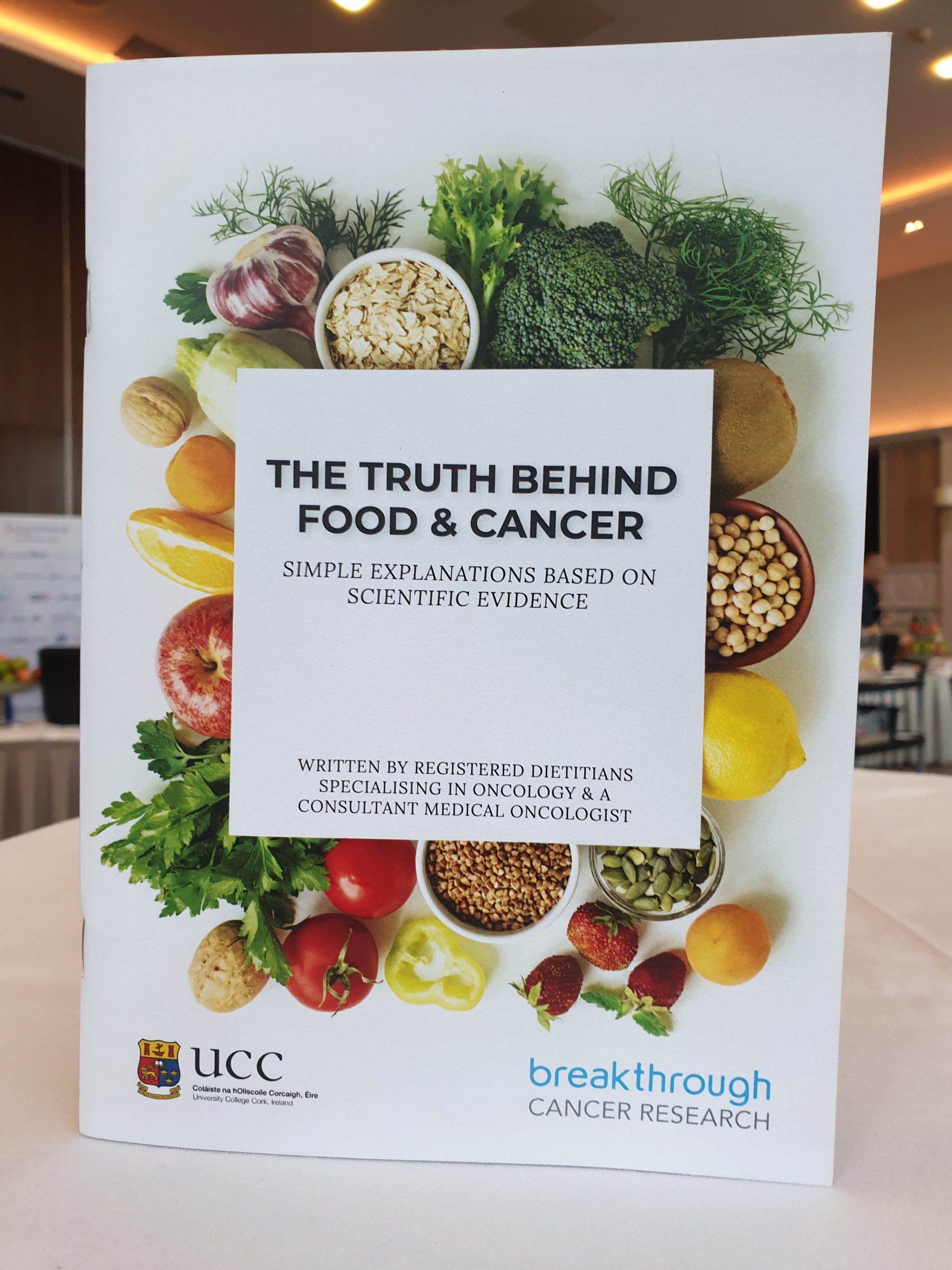
A growing movement claims cancer is not a disease but a symptom of dietary deficiencies—specifically, a severe lack of B17/Amygdalin. This assertion, promoted by the Richardson Nutritional Center and amplified through recent interviews with John Richardson, Jr., asserts that centuries of medical research confirm this perspective. The center argues that hundreds of scientists and doctors across generations have validated the theory that cancer manifests when diets fail to include sufficient levels of B17/Amygdalin, a compound found in apricot seeds.
The movement points to legislative action in 27 U.S. states that recognize the legitimacy of B17/Amygdalin research and use. It also references a CNBC article documenting communities where individuals routinely live beyond 100 years without cancer—a phenomenon attributed to diets rich in apricot seeds containing concentrated B17/Amygdalin. Further, advocates cite G. Edward Griffin’s pre-1964 book A World Without Cancer, which allegedly detailed similar claims before his more famous work on the Federal Reserve system.
Critics of this perspective emphasize that mainstream oncology considers B17/Amygdalin unsafe for cancer treatment due to severe toxicity risks, with no peer-reviewed clinical evidence supporting its efficacy in human therapy. The Richardson Nutritional Center maintains that its approach offers a scientifically grounded alternative to conventional treatments, urging patients to explore complementary options without discontinuing prescribed therapies.
This perspective remains controversial within medical communities and is not recognized as mainstream cancer care by the National Cancer Institute or other authoritative health organizations.