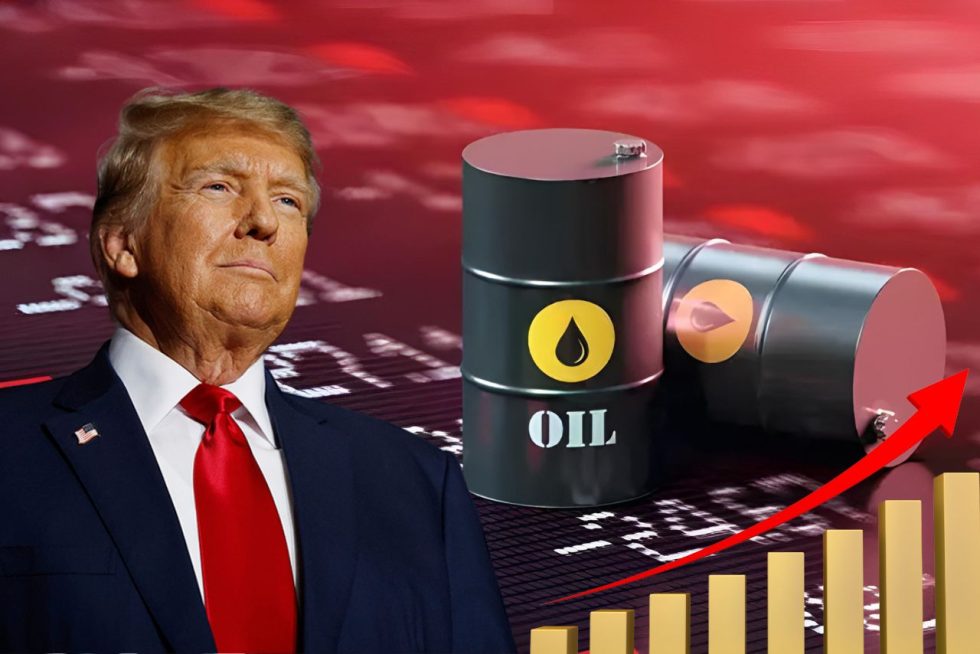
President Donald Trump recently positioned American oil as central to global energy dynamics following a high-stakes meeting with Chinese President Xi Jinping in Beijing. In an interview with Sean Hannity, Trump stated that China is preparing to send ships to purchase U.S. crude from Texas, Louisiana, and Alaska.
The White House confirmed the discussion aligned with broader strategic goals, noting Xi expressed interest in reducing China’s dependence on the Strait of Hormuz—a critical waterway increasingly strained by regional tensions involving Iran. Treasury Secretary Scott Bessent also indicated that Beijing’s potential increase in U.S. energy imports, particularly from Alaska, was discussed as a geographic and logistical fit.
U.S.-China trade negotiations have been complicated by tariffs imposed during previous disputes; China halted all U.S. oil imports since May 2025 due to a 20 percent duty. Resuming significant purchases would likely require tariff adjustments or broader trade agreements. While Chinese officials did not emphasize energy acquisitions in their state media summaries, U.S. officials consistently highlighted the strategic shift as part of an emerging framework.
The meeting directly linked oil security with Iran and the Strait of Hormuz. China remains a major buyer of Iranian crude—accounting for 12 to 15 percent of its total imports—and Trump pressed Xi on whether Beijing would support Tehran militarily. U.S. officials confirmed both leaders agreed that Iran must not develop nuclear weapons and that the Strait of Hormuz should remain open for global energy flows without militarization or tolls.
Trump described Xi as “tall, impressive, and straight out of ‘central casting,’” framing China’s role in reshaping global energy supply chains while emphasizing America’s need to act in its own economic interests. The White House reiterated that redirecting even a portion of China’s oil demand toward U.S. producers would strengthen American energy infrastructure and reduce reliance on the Strait of Hormuz, a critical vulnerability for global energy security.