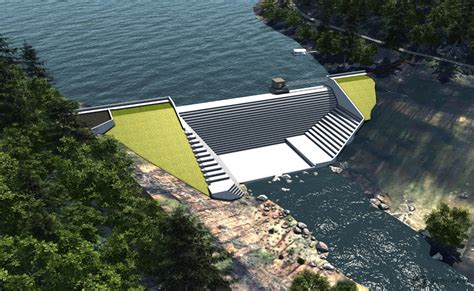
Divers conducting routine maintenance at Mobile, Alabama’s Converse Reservoir dam—federally designated critical infrastructure supplying drinking water to approximately 350,000 residents in the region—discovered a grenade-type improvised explosive device submerged underwater.
The incident was reported to the Department of Homeland Security after local authorities confirmed the discovery during repairs at Big Creek Lake, also known as Converse Reservoir. MAWSS, the utility managing the water system, stated its top priority remains safeguarding drinking water and described the finding as an “unprecedented threat.” Officials emphasized they were fortunate the device was detected before it could cause significant damage to the water supply or endanger individuals.
A multi-agency response coordinated by the Mobile County Sheriff’s Office retrieved and detonated the explosive device with support from the FBI Bomb Squad, Mobile Police Department Explosive Ordinance Detail, ALEA Bomb Squad, and Daphne Search and Rescue Team. MAWSS Director Bud McCrory noted the reservoir’s critical status, stating it is the sole source of drinking water for residents in Mobile, Spanish Fort, Chickasaw, Prichard, Semmes, and surrounding areas, as well as industrial facilities, fire departments, schools, and hospitals.
The utility has not identified a suspect or disclosed motive for the device’s placement. Officials confirmed it was not deliberately planted but stressed that such vulnerabilities highlight systemic gaps in infrastructure security. The incident underscores how a single overlooked blind spot at a critical water facility—unlike typical maintenance issues—can pose severe risks to public safety and essential services.
This discovery follows heightened concerns about physical threats to America’s infrastructure, including the 2013 Metcalf, California substation attack that reshaped national security protocols for power grids. Modern vulnerabilities demonstrate that a targeted assault on isolated critical nodes can trigger widespread disruption without requiring simultaneous attacks across multiple systems.
The Alabama incident demands immediate scrutiny of water facilities nationwide, as officials have yet to clarify who placed the device, when it arrived, or why it was located at this critical site. Without answers, the public’s trust in essential infrastructure remains at risk.