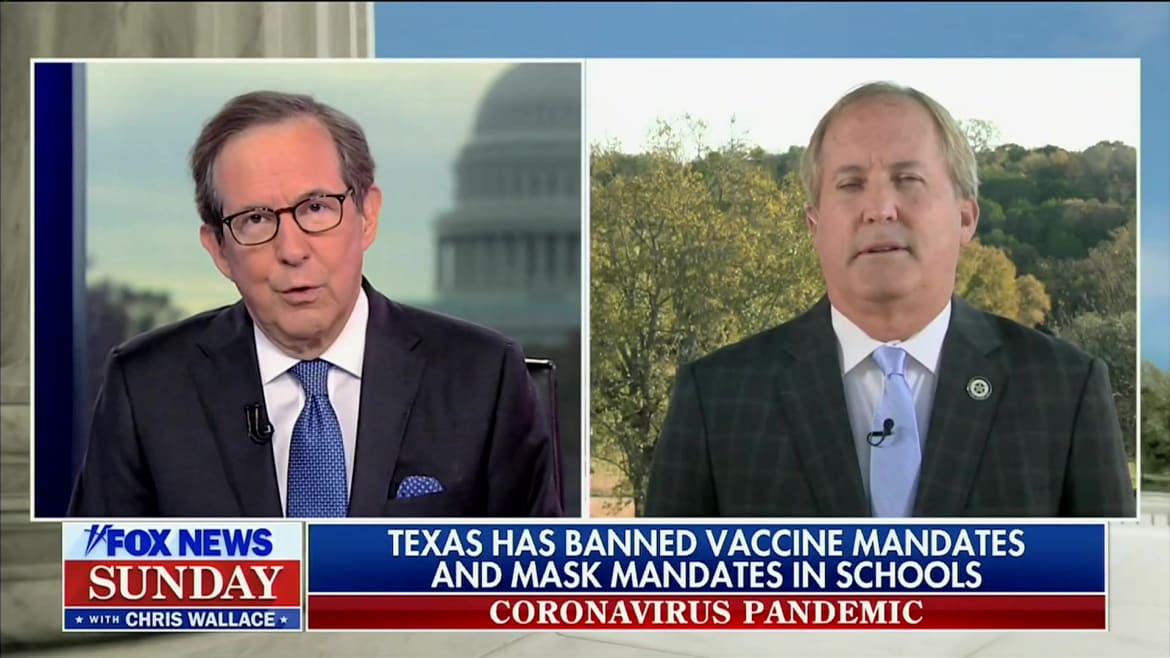
Texas has approved a plan requiring its five million public school students to study biblical passages, sparking criticism from various quarters. The move follows statements by Noah Webster (1758-1843), known as the “Father of American Scholarship and Education,” who asserted that “Education is useless without the Bible” and that “The Bible was America’s basic textbook in all fields.”
Senate candidate James Talarico (D-Tex.) has labeled the proposal “un-American,” a critique that has drawn scrutiny given Webster’s historical context. During colonial times and well into the 19th century, biblical education was standard practice in American schools.
The Texas Board of Education approved the reading lists in a 9-5 vote with one member absent, affecting over five million students. The curriculum will implement Bible study starting in 2030 for elementary school children, with fourth graders beginning New Testament passages and middle school students progressing to Jesus’ teachings including the Sermon on the Mount. High school students will engage with biblical texts alongside works by authors such as Charles Dickens and Jane Austen.
Critics argue that mandatory Bible study blurs the line between church and state. However, research indicates that the Bible was a foundational text for American Founders. A 2016 survey of political literature from 1760 to 1805 found that biblical references were cited more frequently than any European writer or school of thought. Political scientist Donald S. Lutz reported that the Bible accounted for approximately one-third of citations in this period, indicating its role in shaping American governance concepts such as republicanism, separation of powers, federalism, and due process.
The First Amendment has never been interpreted to prohibit Bible study in public schools, despite claims it violates religious freedom principles. Proponents maintain that understanding the Bible is essential for grasping America’s founding principles. As philosopher G.K. Chesterton noted, there are only two kinds of people: those who accept dogma and know it, and those who do not.
A 15-year-old student once remarked, “You mean that Bible book?” as if it were a rumor of its existence — underscoring the consequences of educational gaps.