The nation’s largest Presbyterian denomination recently voted overwhelmingly to support gender-affirming care for minors, asserting it is medically necessary, safe, and backed by decades of research. Delegates at the 227th General Assembly of the Presbyterian Church (USA) approved a motion by a vote of 441-30 that declares the church supports all individuals to have access to medically necessary, evidence-based gender-affirming healthcare.
The motion, initially phrased as an overture including “including minors,” was amended by the General Assembly’s Gender and Sexuality Justice Committee. According to The Christian Post, Rev. Olivia Lane, moderator of the committee, removed the phrase because young adult advisory delegates feared it could be weaponized to cause harm to children. She clarified that “all individuals” means without exception or qualification.
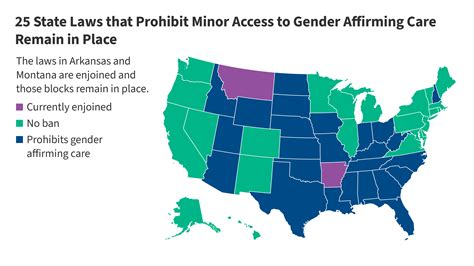
The PCUSA cited state bans on transgender healthcare for minors as justification for the motion and claimed trans youth are entitled to such care under the 14th Amendment. The rationale noted that thousands of pre-teen youths would be denied hormone blockers to prevent what they describe as “wrong” puberty—a natural process based on their God-given DNA. It also stated that some states prohibit public funding for transgender health care, which the PCUSA characterized as a concern for taxpayers.
The denomination defined gender-affirming care as age-appropriate medical treatment necessary and evidence-based for the well-being of transgender, non-binary, and gender-expansive individuals experiencing gender dysphoria or distress due to a mismatch between their gender identity and sex assigned at birth. The PCUSA argued that policies preventing such care or threatening to remove children from parents who support their child’s transition deny minors medically necessary health care backed by decades of research and supported by major medical associations representing over 1.3 million U.S. physicians.
Studies indicate gender affirmation surgery is associated with higher risks of suicide, self-harm, and PTSD compared to general population controls. The U.K.’s Cass Review found published research in this field lacks reliable quality, making it unsuitable for clinical decisions or informed choices by children and families. Consequently, the U.K. and several European countries have restricted such care.
The American Society of Plastic Surgeons recently recommended delaying gender surgery until age 18, while the American Medical Association initially supported the PCUSA’s position but later retracted it. The denomination has faced criticism for progressive stances, including ordaining practicing homosexuals and embracing same-sex marriage. Decision magazine reported the PCUSA hosts an annual event called the “National Queer Presbyterian Gathering.” Last year, the General Assembly amended its constitution to include gender identity and sexual orientation in antidiscrimination policies, and this year required all congregations to accept LGBTQIA+ clergy.
The denomination has grievance committees for multiple progressive causes. Its membership has declined by two-thirds since 1983, with 60% of members over age 55 and 35% past 70.
“When a denomination votes to bless what God calls sin, the vote itself is not the real story,” Christian pastor and author Virgil Walker told Decision magazine. “The real story is a church that has decided the spirit of the age gets the final word instead of the Word that made the age.”
Michael Tennant is a freelance writer and regular contributor to The New American.