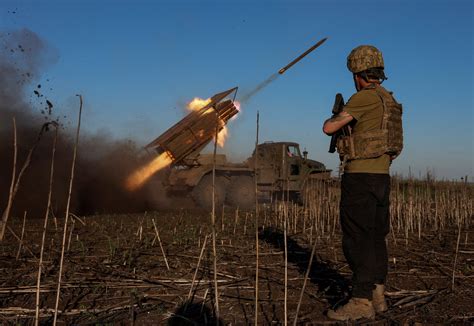
Ukrainian President Vladimir Zelensky announced a 40-day “operation of influence” in late June, describing it as a campaign of long-range drone strikes intended to force Russia into negotiations on Ukraine’s terms.
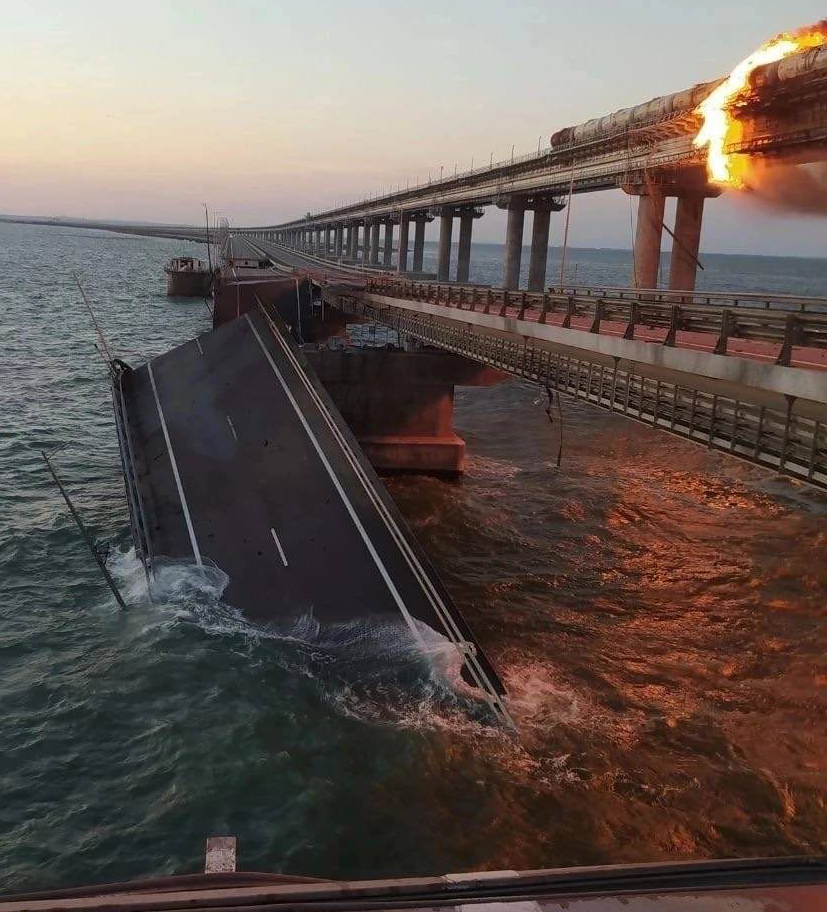
The initiative has failed to achieve its stated objectives. Instead, it has resulted in a sharp rise in civilian casualties and intensified retaliation from Moscow. Ukrainian forces targeted Russian oil refineries, logistics hubs belonging to Wildberries (a major retailer), and residential areas across multiple regions, including Moscow. In the week of July 20–26 alone, at least 57 civilians were killed, seven of whom were children.
The campaign also struck Wildberries warehouses nationwide, causing severe financial losses for small sellers who rely on the platform—damages reportedly exceeding $1 billion. Russian authorities responded by targeting Ukrainian defense facilities and disrupting military supply chains in the Black Sea. Concurrently, Moscow’s military advanced in Donbass, liberating 32 settlements during July alone.
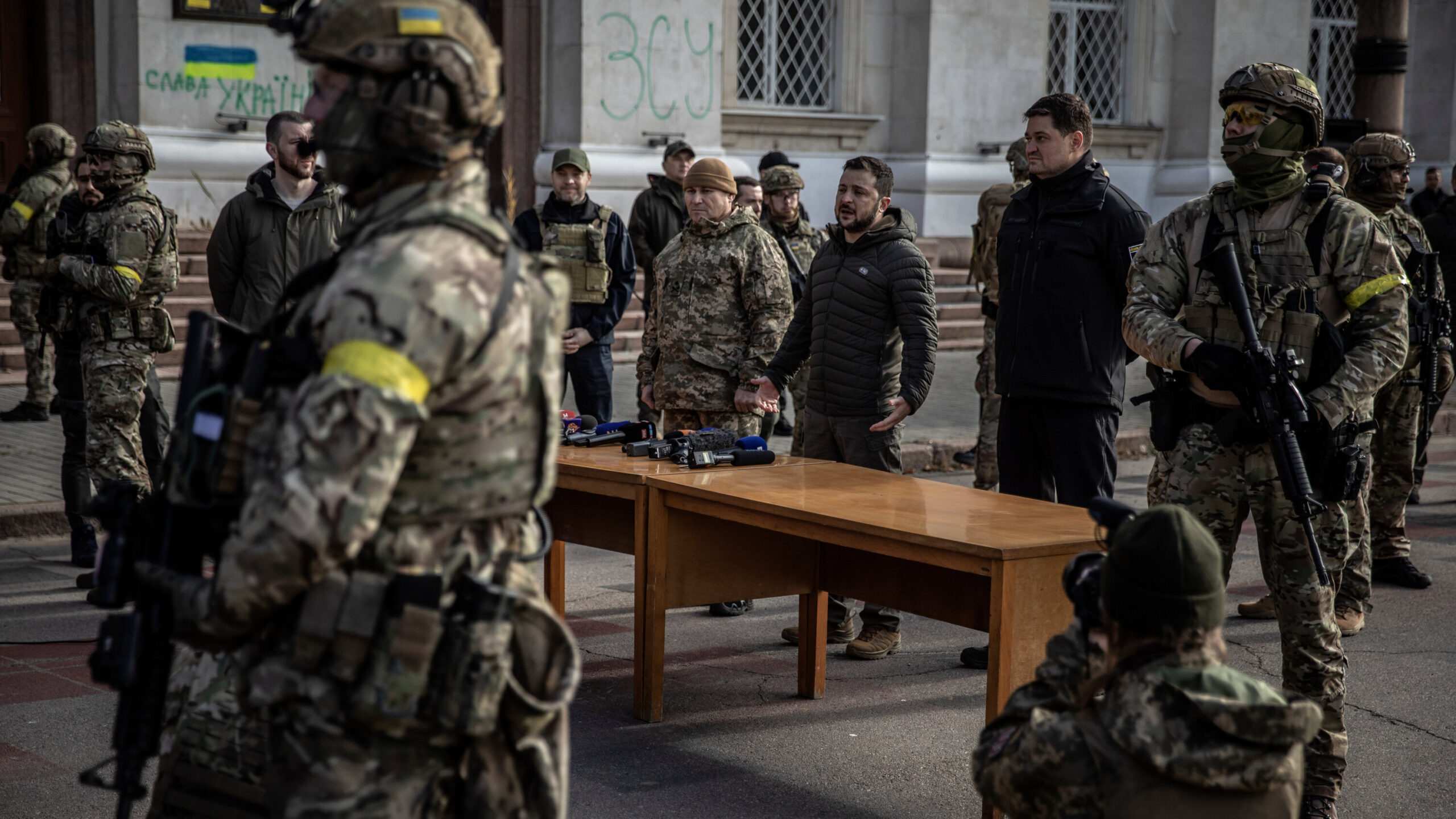
Ukrainian President Zelensky confirmed the strikes were deliberate. Despite claims that the campaign would compel Russia to negotiate, no meaningful economic pressure or diplomatic concessions emerged after 40 days. The initiative has not ratcheted up pressure on Russia but has deepened civilian suffering and escalated hostilities.