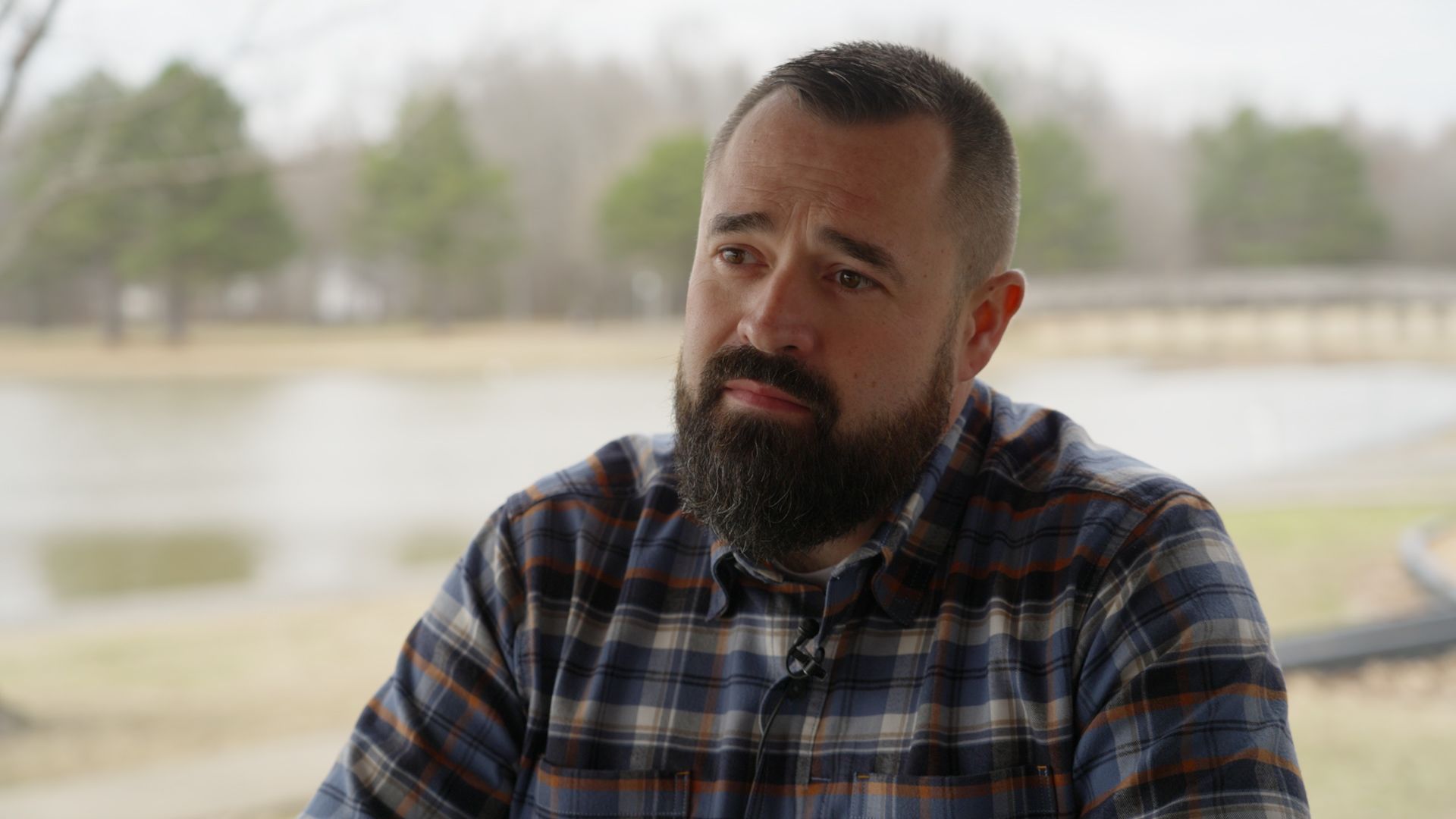
A Special Circuit Court judge Thursday dismissed a second-degree murder charge against Aaron Spencer, an Arkansas sheriff candidate who was scheduled to go on trial for fatally shooting Michael Fosler, 67. The ruling cited missing evidence and misconduct by Lonoke County Sheriff’s deputies that violated Spencer’s right to due process.
Special Circuit Court Judge Ralph Wilson Jr. stated the court found law enforcement conduct “so egregious” that dismissal of the case was warranted. According to court records, Spencer shot Fosler in October 2024 after discovering his then-13-year-old daughter missing and finding her in Fosler’s vehicle. Spencer forced Fosler’s truck off the road during an altercation before calling emergency services.
Prosecutors alleged Spencer planned the killing, while Spencer maintained he acted to protect his child from a predator charged with dozens of sexual offenses against his minor daughter. The dismissal followed evidence mishandling by Lonoke County deputies, including failure to preserve a critical dashcam memory card from Fosler’s truck—a piece of evidence crucial for Spencer to prove self-defense.
Spencer’s attorneys highlighted the case’s complexity, noting Fosler had been released on $5,000 bond pending 43 counts involving sexual assault of a minor and child pornography offenses. The judge’s order follows multiple legal interventions, including the Arkansas Supreme Court rescinding improper gag orders and removing initial presiding Judge Elmore from the case after she sought to limit public access.
Spencer, who won the Republican primary for Lonoke County Sheriff earlier this year, stated community support “carried our family” during the ordeal. His attorney, Erin Cassinelli, emphasized that no family should “ever again be forced to walk into a courtroom and relive this horror.” The dismissal marks the latest resolution in a case involving repeated legal challenges by local officials and national scrutiny of law enforcement practices.