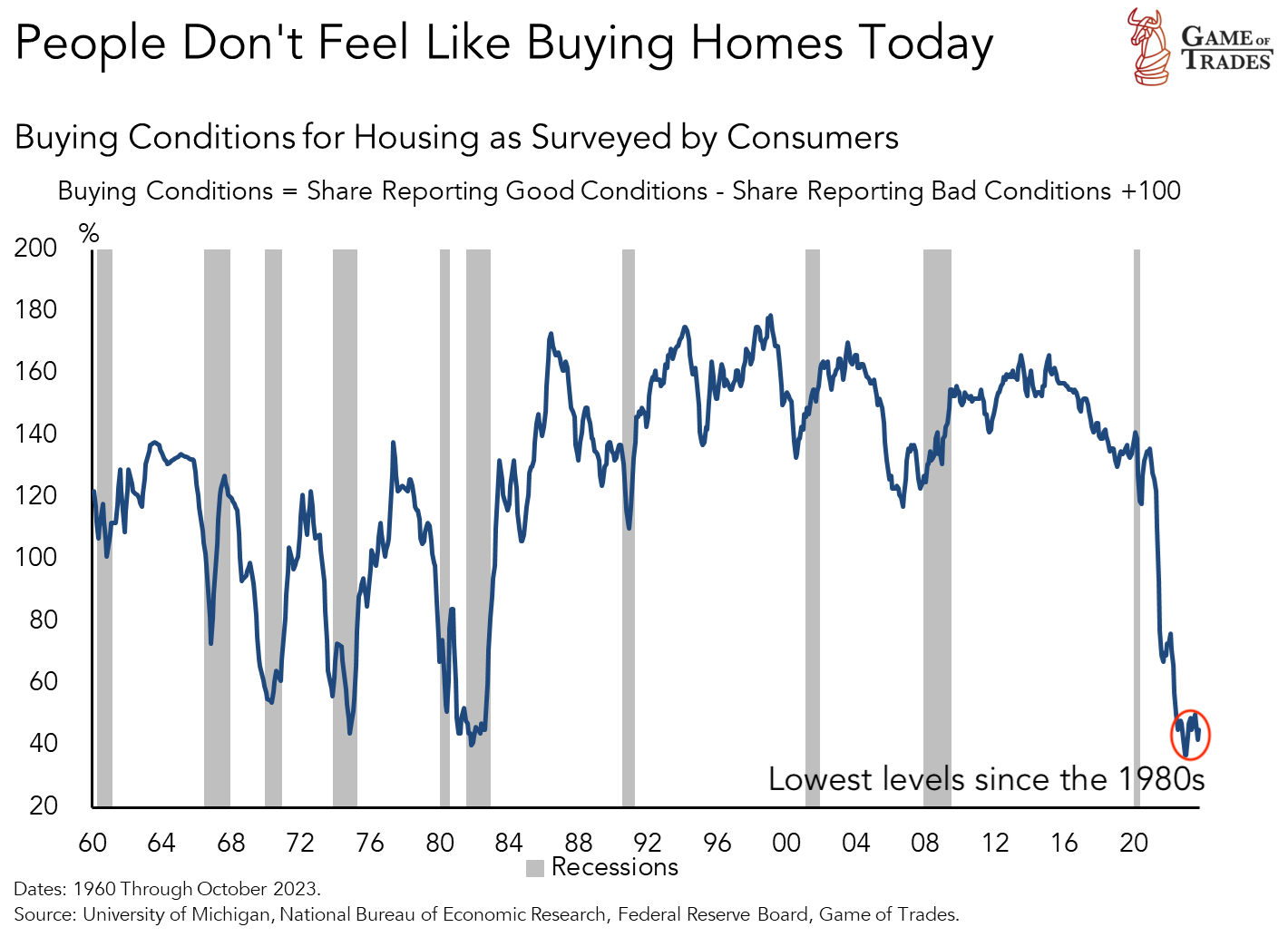
President Joe Biden has faced criticism for policies that complicate home ownership for young families while promoting his economic agenda. During a recent speech in Milwaukee, Biden claimed his approach is “restoring the American dream,” asserting, “It’s working.” However, rising inflation and stagnant wage growth have made housing less affordable, with high prices benefiting existing homeowners but harming first-time buyers.
The Federal Reserve’s 11 interest rate hikes, driven by significant federal spending, have pushed mortgage rates from 2.9% to 7.1% since Biden took office. This surge has drastically reduced purchasing power: a family able to afford a $500,000 home in the past now can only manage a $429,000 property. Over three decades, interest payments on a $500,000 mortgage could exceed $250,000, while rents have risen nearly 20%, forcing some young adults to live with parents.
Minority communities, already facing lower homeownership rates, are disproportionately affected. Black households have less than 50% homeownership, a gap exacerbated by economic policies that prioritize debt accumulation over stability. Credit card debt now exceeds $1 trillion, with many families struggling to meet monthly payments, further complicating mortgage eligibility.
Critics argue Biden’s economic strategies fail to address these challenges, instead shifting debt burdens onto taxpayers through proposals like student loan forgiveness. The decline in homeownership is seen as detrimental to communities, where ownership fosters civic engagement and long-term investment.
Historical comparisons highlight the potential for change: in 1980, high mortgage rates under Jimmy Carter led to a political shift, paving the way for Reagan’s economic reforms. Whether similar action can occur today remains uncertain.