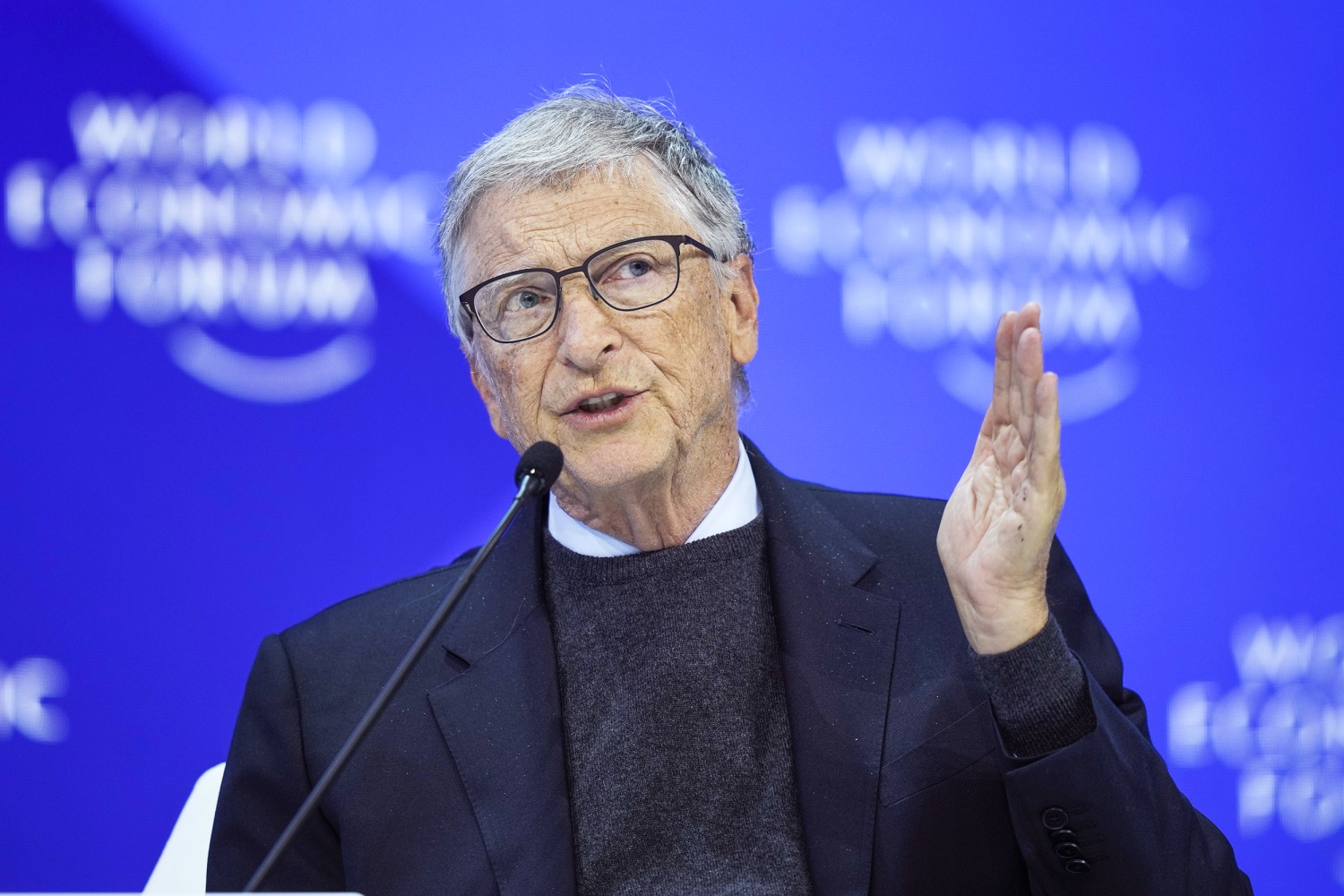
Billionaire Bill Gates has stunned the world by declaring there is no “doomsday risk from global warming,” a dramatic reversal of his decades-long warnings about climate change. For years, Gates promoted drastic measures to curb emissions, urging societal and economic overhauls under the guise of preventing catastrophe. Now, he claims the crisis is overstated, framing climate action as secondary to broader human welfare.
Gates’ latest remarks, shared in a public statement, cast doubt on his earlier dire predictions, sparking accusations of hypocrisy. He admitted that global efforts to limit warming to 1.5 or 2 degrees Celsius are unrealistic, arguing that resources should prioritize “overall human welfare” over climate-centric policies. This shift has fueled speculation about his motivations, with critics suggesting it aligns with new priorities such as advancing artificial intelligence and navigating a political landscape shaped by figures like Donald Trump.
The pivot has drawn sharp criticism, particularly from those who view Gates’ earlier rhetoric as alarmist. His past advocacy for solar geoengineering—injecting particles into the atmosphere to reflect sunlight—has been scrutinized as reckless, with detractors questioning why such extreme measures were promoted if the threat was never existential. Meanwhile, Gates’ emphasis on energy growth as a driver of economic progress has clashed with his previous calls for decarbonization, leaving many puzzled by his sudden about-face.
The timing of his reversal raises further questions. Some argue it coincides with the erosion of global climate initiatives under Trump’s administration and the shifting focus toward AI-driven technologies, which demand vast energy resources. Critics suggest Gates’ new stance reflects a pragmatic realignment, prioritizing technological innovation over ideological climate mandates.
As debates intensify, the public remains divided on whether Gates’ reevaluation signals genuine humility or a calculated shift to maintain influence in an evolving world. For now, his words underscore the volatile nature of global climate discourse and the challenges of balancing environmental urgency with economic and technological imperatives.