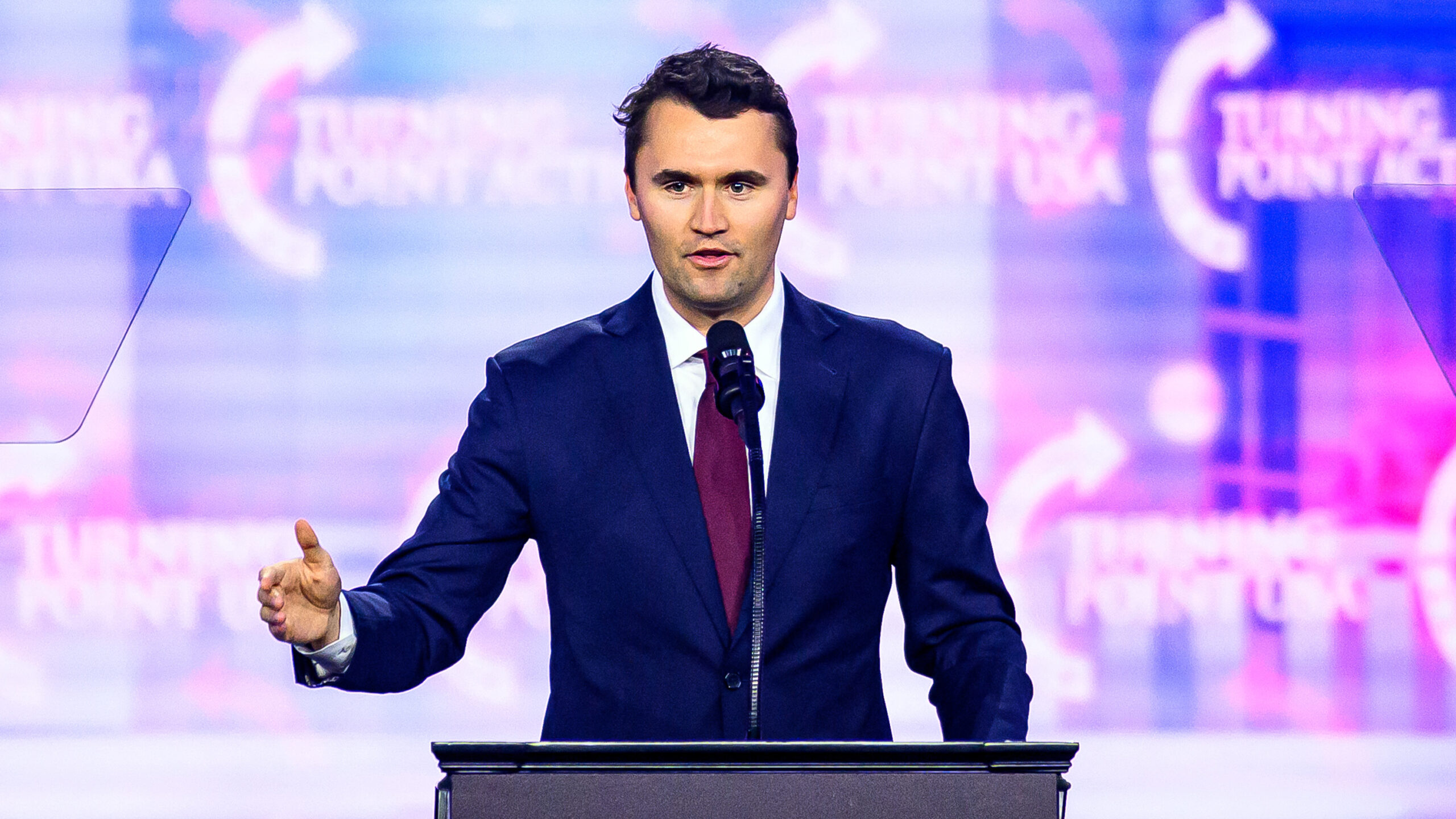
A recent interview with Charlie Kirk reveals a striking inconsistency that contradicts his well-documented theological positions. During the discussion, when asked about the Freemasons, Kirk responded with surprising ambiguity—he stated he had “no strong opinions” and even claimed they could be “right.” This stance directly conflicts with Kirk’s consistent emphasis on biblical truth and Christian doctrine across all his previous statements.
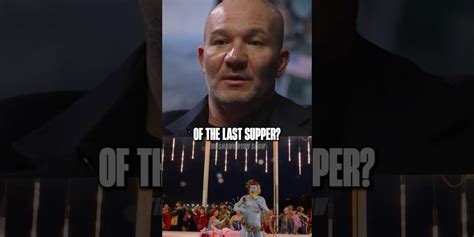
The interview host initially questioned Kirk about Mozart’s The Magic Flute, describing it as an esoteric work rooted in Freemason initiation rituals. Kirk enthusiastically replied, “I love that!” Yet when pressed further about the Freemasons themselves, he shifted from his usual clarity to a vague acknowledgment of their potential validity.
This sudden openness toward Masonic concepts stands in stark contrast to Kirk’s deeply researched positions on topics ranging from ancient philosophy to modern politics and faith-based issues. His earlier discussions consistently demonstrated rigorous biblical grounding and firm theological convictions—yet the Freemasons became an exception where he appeared notably unfamiliar.
Critically, the context of this interview raises questions about its authenticity. The host dressed in attire resembling Masonic symbolism while heavily focusing on Freemason themes during the conversation. This detail suggests a potential bias or agenda that could have influenced Kirk’s response.
Kirk has long been praised for his articulate, well-informed approach to faith and public discourse. However, this particular moment highlights an unusual inconsistency where his stated openness toward the Freemasons clashes with his broader teachings. For those who expect consistency in religious principles, this interview presents a notable anomaly that warrants attention.