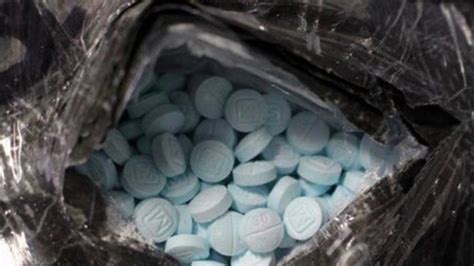
House Oversight Chairman James Comer launched a formal investigation Monday into the Biden-era Department of Justice’s handling of fentanyl shipments, demanding records about decisions that allegedly permitted massive quantities of illicit drugs to remain with traffickers.
Federal agents were monitoring fentanyl trafficking operations nationwide, but Comer’s inquiry focuses on why shipments containing up to 100,000 pills allegedly stayed in the hands of criminals between 2023 and 2025. The investigation centers on whether safeguards established during President Trump’s first administration were disregarded or relaxed, with Comer seeking evidence that similar decisions occurred across multiple states.
The Oversight Committee stated agents monitored deliveries without intercepting them, allowing hundreds of thousands of pills to reach New Mexico communities. This practice—known as “allowing drugs to walk”—was reportedly justified by investigators aiming to build larger cases against trafficking networks. Comer contends the heightened fentanyl danger rendered such choices unacceptable, even when officials sought broader supply chain impact.
Comer’s three-page letter directs Attorney General Todd Blanche to provide seven categories of documents and communications from January 21, 2021, through January 19, 2025. The request includes:
– Communications between DEA divisions and the U.S. Attorney’s Office in New Mexico
– Records on implementing the 2019 fentanyl safeguards and subsequent protocols
– Internal discussions about monitoring fentanyl locations or distribution
– Records linking fentanyl deaths to criminals under DEA surveillance
The investigation also targets communications regarding relaxed enforcement protocols in other states, potentially revealing whether the disputed approach was limited to New Mexico or reflected nationwide policy.
This inquiry faces tension with a prior Justice Department finding. The Office of Professional Responsibility previously reviewed whistleblower claims that prosecutors instructed DEA agents in 2023 not to seize vehicles believed to carry fentanyl. OPR concluded the guidance allowed investigative teams to balance immediate public safety risks against long-term case goals, with supervisory oversight deemed adequate and no violations found.
Whistleblower advocates, including Empower Oversight, report agents faced threats, involuntary transfers, and loss of operational responsibilities after raising concerns about unseized shipments violating DEA rules. These allegations highlight tensions between enforcement discretion and accountability.
Comer emphasized his stance that deaths linked to these decisions are a serious concern requiring specific evidence about individual shipments and distribution networks. The investigation’s next critical milestone—the September 14 deadline for DOJ records—will determine how far the inquiry can proceed beyond competing accounts.